


 US, China Extend Trade Truce to Jan. 10 Ahead of Trump-Xi Summit
  Sudan Rejects US Legitimacy Remarks, Defends Sovereignty
  NATO Boosts Intelligence Sharing Amid Russia Hybrid Threats
  Mexico-US Trade Talks Delayed to October as Tariff Negotiations Continue
  Wall Street Falls as Treasury Yields Surge, Oil Rebounds on Iran Tensions
  US Invites Putin to Miami G20, Opening Door to Trump Summit
  North Korea Rejects Nuclear Test Warning, Calls Nuclear Status Irreversible
  Trump Asks Supreme Court to Restore Third-Country Deportations
  South Korea, US Discuss Warship Building Cooperation
  Ghana Says Western Support Growing for Slave Trade Reparations
  US 10-Year Treasury Yield at 6% Emerges as New Market Risk Threshold
  Russian Envoy Dmitriev Heads to US for Ukraine Talks
  Australia Unemployment Hits Five-Year High Despite Strong Jobs Growth
  China’s ‘Lipstick King’ Says AI Won’t Replace Livestream Hosts
  US Stock Futures Fall as Treasury Yields Surge Ahead of Trump-Xi Summit
  Russian Missile and Drone Attack on Kyiv Kills Two, Damages Maternity Hospital
  US Officials Split Over Response to Israeli West Bank Settlements


 Add as a preferred source on Google
U.S. President Donald Trump has expressed dissatisfaction with Iran’s latest proposal for renewed talks, signaling continued deadlock in efforts to resolve the ongoing U.S.-Iran conflict. Despite a ceasefire reached on April 8, tensions remain high as both nations struggle to find common ground on key issues, including Iran’s nuclear program and control of the strategically vital Strait of Hormuz.
Trump stated that the Iranian proposal included demands he could not accept, describing Iran’s leadership as divided and inconsistent. While negotiations are still taking place through indirect communication channels, the lack of progress suggests the conflict—now over two months old—may continue. The war has been widely unpopular among Americans, placing additional pressure on the administration to find a diplomatic solution.
Meanwhile, U.S. relations with European allies have also come under strain. Washington announced the withdrawal of 5,000 troops from Germany following criticism from German Chancellor Friedrich Merz, who questioned the U.S. strategy and accused Iran of undermining American authority. A Pentagon official responded by calling the remarks unhelpful and defended Trump’s reaction.
Iran’s Foreign Minister Abbas Araqchi signaled openness to diplomacy but insisted the United States must shift its “aggressive approach” and tone down its rhetoric. At the same time, Iran has strengthened its military readiness, activating air defenses amid fears of potential U.S. or Israeli strikes.
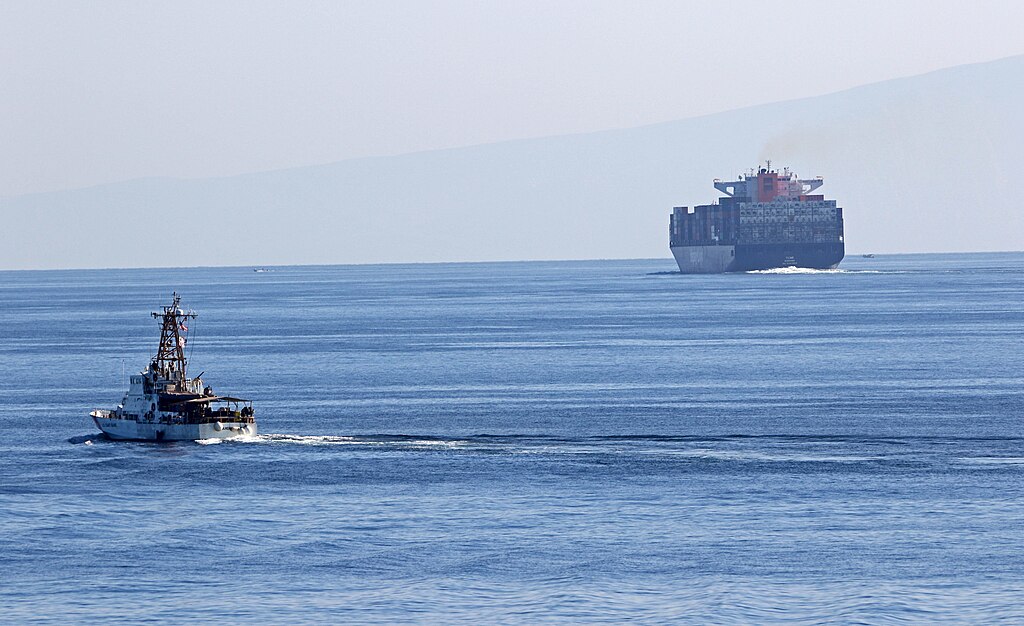
The ongoing standoff has had major global economic implications. The partial closure of the Strait of Hormuz, a critical route for about 20% of the world’s oil supply, has disrupted energy markets. Although oil prices recently dipped slightly, they remain near multi-year highs, raising concerns about a broader economic slowdown.
The U.S. Navy continues to enforce a blockade on Iranian oil exports, while new sanctions threaten shipping companies engaging with Iran. Despite economic pressure, Iran appears prepared to endure a prolonged confrontation. Global leaders, including China, are urging both sides to maintain the ceasefire and reopen vital trade routes to prevent further instability.







