


 Federal and State Authorities Conduct Widespread Fraud Raids Across Minnesota
  Panama Defends Port Takeover Amid U.S.-China Tensions and Canal Dispute
  Trump Considers Withdrawing U.S. Troops from Italy and Spain Amid NATO Tensions
  King Charles Wraps U.S. Visit with Trump Meeting and Virginia Tour
  White House Withdraws Trump’s National Park Service Nominee Amid Criticism
  U.S. Budget Airlines Seek $2.5 Billion Government Aid Amid Rising Jet Fuel Costs
  Aung San Suu Kyi Moved to House Arrest Amid Myanmar Political Crisis
  Trump Rejects Iran Proposal as Tensions Persist Amid Fragile Ceasefire
  Iran Threatens Prolonged Strikes as Strait of Hormuz Crisis Drives Global Oil Surge
  U.S. Fast-Tracks $8.6 Billion Arms Sales to Middle East Allies Amid Rising Tensions
  Federal Appeals Court Allows Texas SB4 Immigration Law Enforcement to Proceed
  Comey Faces Charges Over Instagram Post as Free Speech Debate Intensifies
  Brazil Blocks Prediction Market Platforms, Tightens Derivatives Trading Rules
  US Gaza Coordination Overhaul Raises Concerns Over Ceasefire and Aid Efforts
  Japan Eases Arms Export Rules, Opening Door for Potential Ukraine Defense Support
  Medicare to Cover GLP-1 Weight-Loss and Diabetes Drugs Starting July 1


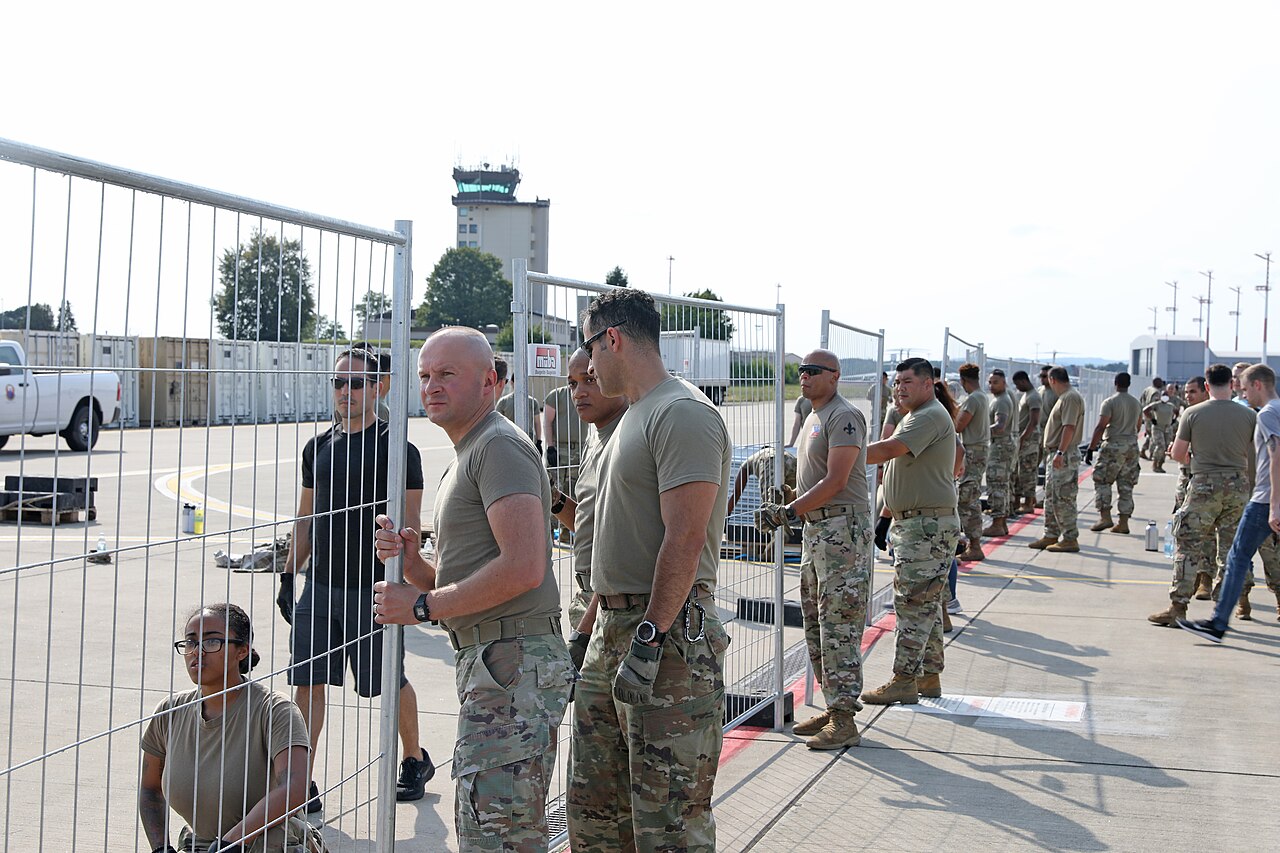
The United States is set to withdraw approximately 5,000 troops from Germany, signaling rising tensions between Washington and its European allies amid the ongoing Iran conflict. The Pentagon confirmed the move, which will be carried out over the next six to twelve months, reducing the current U.S. military presence in Germany, where about 35,000 personnel are stationed.
This decision follows a public disagreement between President Donald Trump and German Chancellor Friedrich Merz. Trump reportedly reacted strongly after Merz criticized U.S. strategy in the Iran war, describing Iran’s stance in negotiations as humiliating for Washington. A senior Pentagon official noted that Germany’s remarks were viewed as “unhelpful,” prompting the administration’s response.
The troop reduction will bring U.S. force levels in Europe closer to pre-2022 numbers, before the military buildup triggered by Russia’s invasion of Ukraine. The move also reflects the Trump administration’s broader push for European nations to take greater responsibility for regional security.
Tensions are not limited to Germany. Trump has also criticized other NATO allies, including Spain and Italy, for their lack of support in U.S. operations against Iran. Spain, for instance, refused to allow its bases and airspace to be used in military actions, leading Trump to threaten trade measures. He has also questioned whether to reduce troop deployments in countries like Italy and Spain.
Additionally, disputes have emerged over NATO allies’ reluctance to assist in securing the Strait of Hormuz, a critical oil shipping route disrupted by the Iran conflict. These disagreements have raised concerns about unity within NATO and the future of transatlantic relations.
Despite the withdrawal being smaller than earlier proposals, analysts warn it could deepen divisions between the United States and Europe. Experts suggest European nations may accelerate defense spending as trust in U.S. leadership declines. The withdrawal also includes canceling planned deployments, such as a long-range fires battalion intended for Germany.
As geopolitical tensions continue, the move underscores shifting dynamics in global security and the evolving role of NATO alliances.







