


 Trump, Xi Focus on Trade and AI at White House Summit
  Kremlin Says No Decision Yet on Putin-Trump December Summit
  Oil Prices Surge as U.S.-Iran Diplomacy Hopes Fade
  Maduro Seeks Dismissal of US Drug Trafficking Charges
  U.S. 10-Year Treasury Yield Hits 2007 High as Fed Rate Hike Bets Rise
  Ukrainian Drone Attacks Hit Russian Regions, Injuring at Least 12
  Trump Asks Supreme Court to Restore Third-Country Deportations
  Venezuela Nears Deal to Move $4 Billion in Gold to New York Fed
  Japan Private-Sector Growth Slows as Domestic Demand Weakens
  US Judge Dismisses Imran Ahmed Deportation Lawsuit
  US Backs Musk in Fight Against EU’s €120 Million X Fine
  Mexico-US Trade Talks Delayed to October as Tariff Negotiations Continue
  Japanese Bank Stocks Surge as Bond Yields Fuel Rate Hike Bets
  Netanyahu Takes Aim at Mamdani as Israel Election Nears
  Gold Prices Fall as Treasury Yields Rise on Fed Rate Hike Bets
  South Korea, US Discuss Warship Building Cooperation
  EU Defence Build-Up Too Slow for 2030 Russia Readiness Goal


 Add as a preferred source on Google
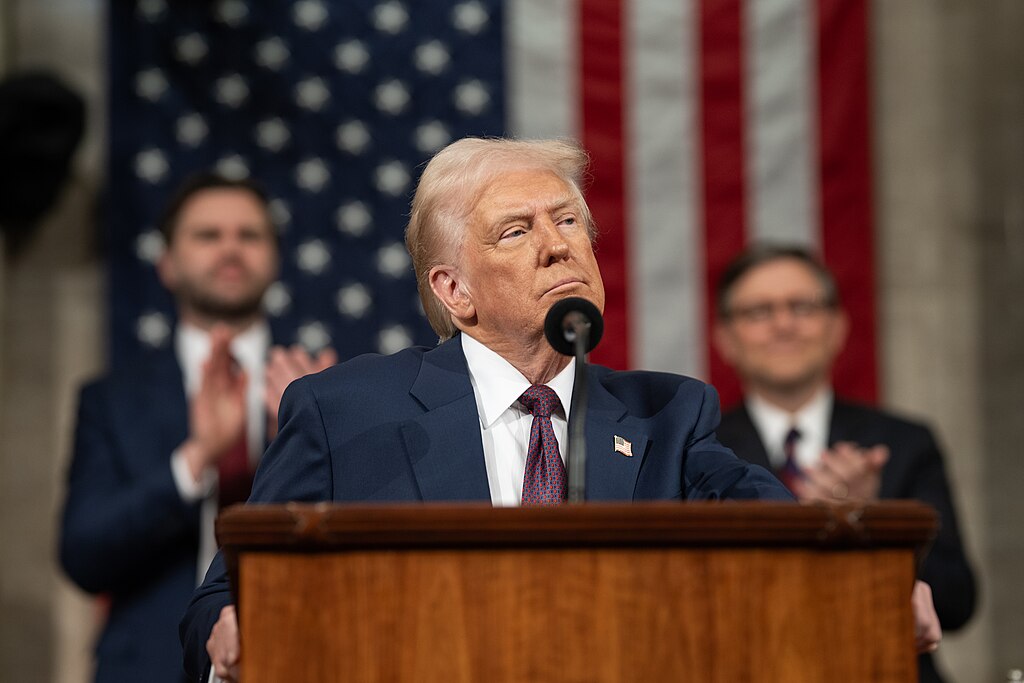
U.S. President Donald Trump warned that the United States could face an economic and national security disaster if the Supreme Court overturns his use of emergency powers to impose tariffs on nearly every country. Speaking at the White House during the swearing-in of his new envoy to India, Sergio Gor, Trump said his administration would distribute $2,000 “dividends” to lower- and middle-income Americans using tariff proceeds, while directing the remaining funds toward reducing U.S. debt.
Trump has long argued that tariffs benefit American workers and generate revenue that can strengthen the economy. He reiterated this stance on Truth Social, emphasizing that these payments would directly assist households struggling with inflation. “We’re going to issue a dividend to our middle-income people and lower-income people—about $2,000—and use the remaining tariffs to lower our debt,” he stated.
Kevin Hassett, Trump’s top economic adviser, said strong tax revenues have created room for such payments, originally intended only for deficit reduction. The administration’s plan comes as Trump faces declining poll numbers, with many voters citing inflation and affordability as key concerns.
The Supreme Court is currently weighing whether Trump’s sweeping tariffs under the 1977 International Emergency Economic Powers Act (IEEPA) are legal. Several justices, including Amy Coney Barrett, questioned the law’s use for tariff authority, warning that refunding importers could be complex if the tariffs are struck down. Trump estimated potential repayments could exceed $2 trillion—far higher than the $100 billion cited by analysts.
Despite mounting legal challenges, Trump maintains that his trade policies have reduced inflation, citing falling prices for food and energy. U.S. consumer prices rose 3.0% year-over-year in September, slightly below expectations, with tariffs continuing to affect import costs for goods such as apparel, furniture, and appliances.







