


 Japan Private-Sector Growth Slows as Domestic Demand Weakens
  U.S. Treasury Yields Surge as 30-Year Hits 22-Year High
  Asian Stocks Fall as Bond Yields Surge Ahead of Trump-Xi Summit
  Australia Unemployment Hits Five-Year High Despite Strong Jobs Growth
  Oil Prices Jump 3% as Houthi Attack Revives Supply Fears
  RBI Uses $10 Billion Currency Swaps to Drain Excess Rupee Liquidity
  U.S. Dollar Hits Two-Month High as Oil, Treasury Yields Surge
  Gold Prices Fall as Treasury Yields Rise on Fed Rate Hike Bets
  Fed Unveils Stablecoin Rules Under GENIUS Act
  Mexico-US Trade Talks Delayed to October as Tariff Negotiations Continue
  Soybean Futures Slip as Traders Await Trump-Xi Trade Signals
  Oil Prices Ease as Iran Tensions Clash With Diplomacy Hopes
  Japanese Bank Stocks Surge as Bond Yields Fuel Rate Hike Bets
  U.S. 10-Year Treasury Yield Hits 2007 High as Fed Rate Hike Bets Rise
  Dollar Holds Near Two-Month High as Yen Approaches 160
  Gold Holds Near $4,275 as Rising Treasury Yields Fuel Fed Rate Hike Bets


 Add as a preferred source on Google
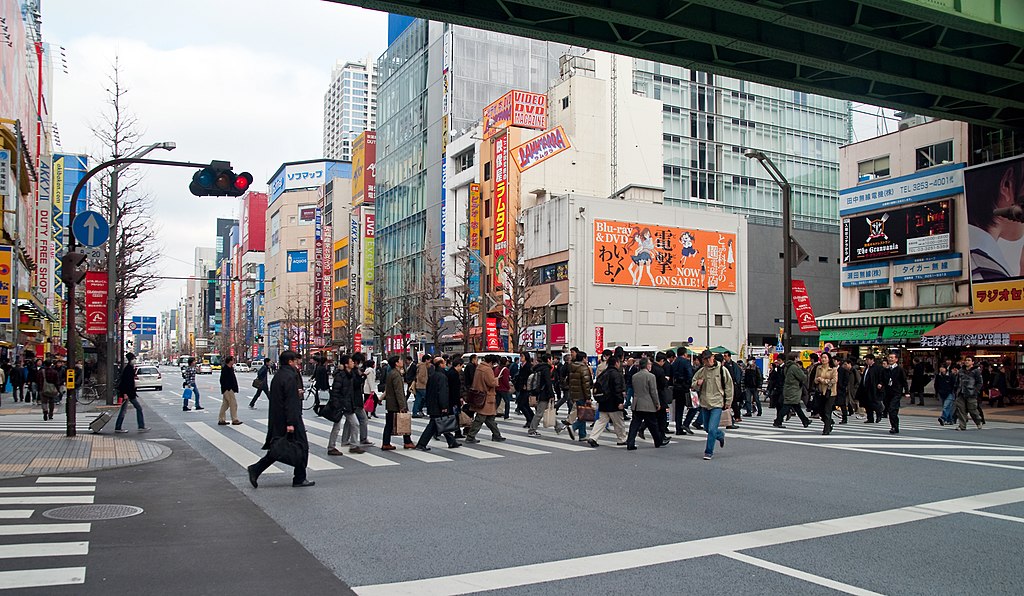
Japan’s economy is widely expected to have returned to growth in the final quarter of 2025, supported by strong corporate investment and resilient consumer spending, according to a recent Reuters poll of economists. The outlook signals that Japan’s economic recovery remains intact despite recent headwinds from inflation and global trade pressures.
Economists forecast that Japan’s real gross domestic product (GDP) expanded at an annualized rate of 1.6% in the October–December period. This rebound follows a sharp 2.3% contraction in the July–September quarter, which marked the country’s steepest economic decline in two years. On a quarter-on-quarter basis without annualization, GDP growth is estimated at a modest but positive 0.4%, reinforcing expectations of stabilization.
Analysts say the projected return to growth indicates that Japan’s economy is continuing on a gradual recovery path after a temporary slowdown. Private consumption, which makes up more than half of Japan’s GDP, is expected to have increased by just 0.1%. Consumer spending remains constrained as inflation has stayed above the Bank of Japan’s 2% target, limiting purchasing power despite steady employment conditions.
Corporate activity, however, has provided a stronger boost. Capital expenditure is forecast to have risen 0.8% in the fourth quarter after shrinking 0.2% previously. Improved business confidence has supported this rebound, with a Bank of Japan survey in December showing sentiment among large manufacturers reaching a four-year high. This reflects optimism about demand, investment plans, and medium-term economic prospects.
Net external demand is also expected to have contributed positively, adding 0.1 percentage points to GDP growth. This marks a turnaround from the previous quarter, when exports were hit by the initial impact of U.S. tariffs, subtracting 0.2 points from growth. The milder-than-feared trade impact has helped stabilize export performance.
Encouraged by these trends, the Bank of Japan raised interest rates in December to 0.75% from 0.5% and later upgraded its growth and inflation forecasts. Meanwhile, Prime Minister Sanae Takaichi, expected to secure a decisive victory in Sunday’s snap election, has pledged proactive fiscal measures to further strengthen Japan’s economy, a stance that recently pushed government bond yields to record highs.
Japan’s government is scheduled to release preliminary fourth-quarter GDP data on February 16, which will provide clearer confirmation of the country’s economic momentum heading into 2026.







