


 Gold Prices Fall as Treasury Yields Rise on Fed Rate Hike Bets
  U.S. Dollar Hits Two-Month High as Oil, Treasury Yields Surge
  Soybean Futures Slip as Traders Await Trump-Xi Trade Signals
  RBI Uses $10 Billion Currency Swaps to Drain Excess Rupee Liquidity
  Oil Prices Surge as U.S.-Iran Diplomacy Hopes Fade
  South Korea, US Discuss Warship Building Cooperation
  U.S. Treasury Yields Surge as 30-Year Hits 22-Year High
  China’s ‘Lipstick King’ Says AI Won’t Replace Livestream Hosts
  European Stocks Fall as Bond Yields and Geopolitical Risks Weigh
  Fed Unveils Stablecoin Rules Under GENIUS Act
  Oil Prices Ease as Iran Tensions Clash With Diplomacy Hopes
  Russian Envoy Dmitriev Heads to US for Ukraine Talks
  Japanese Bank Stocks Surge as Bond Yields Fuel Rate Hike Bets
  Asian Stocks Fall as Surging Bond Yields Rattle Markets
  Trump, Xi Focus on Trade and AI at White House Summit
  Wall Street Falls as Treasury Yields Surge, Oil Rebounds on Iran Tensions


 Add as a preferred source on Google
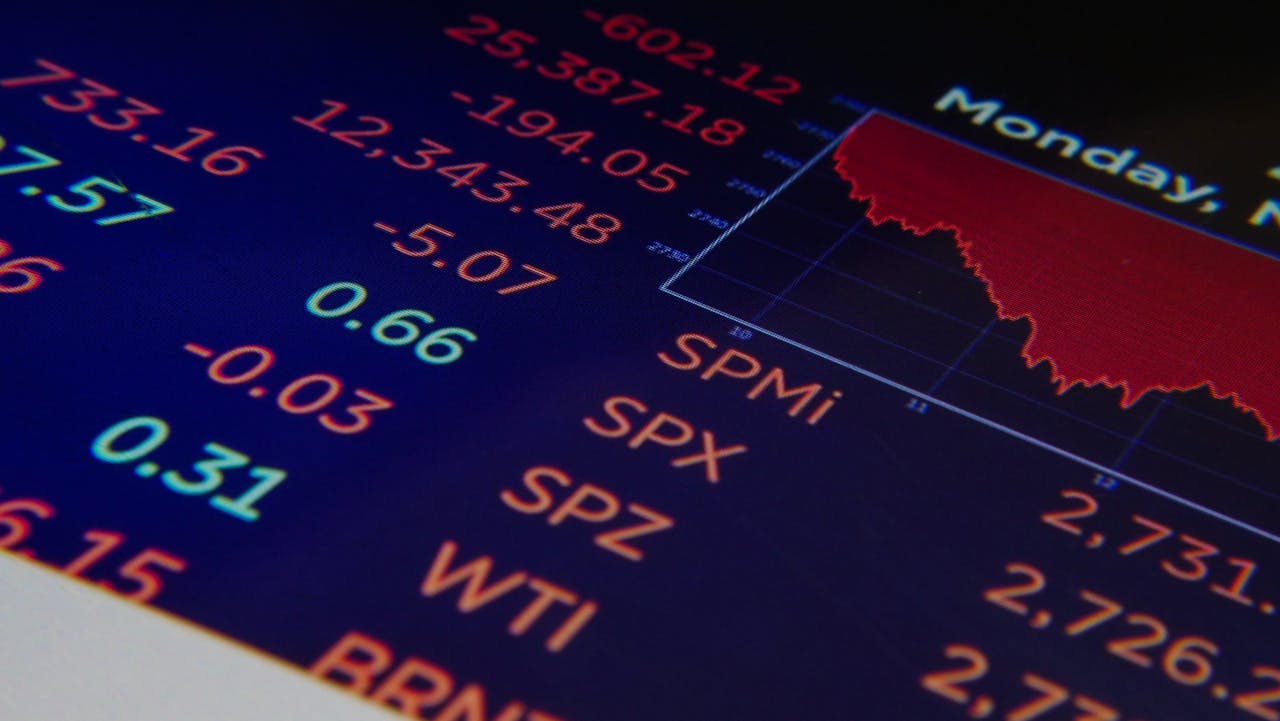
Asian stock markets declined as growing concerns over the soaring costs of artificial intelligence investment weighed heavily on the technology sector, while U.S. stock futures attempted a modest recovery led by gains in chipmakers. Investor anxiety around AI capital expenditure and valuations has sparked renewed volatility across global markets.
The tech selloff followed earnings from Google parent Alphabet, which reported solid quarterly results but alarmed markets with a projected $175 billion to $185 billion in capital expenditure for the year—far exceeding analyst expectations. Alphabet shares swung sharply in after-hours trading, dropping more than 6% at one stage before recovering to close just 0.4% lower. The scale of AI spending has heightened fears that returns may not justify the massive investments.
Market sentiment has already been fragile after a recent wave of selling triggered by a new legal tool released by Anthropic’s Claude large language model. Since January 28, roughly $830 billion in market value has been erased as investors rotated out of mega-cap tech stocks and into more cyclical sectors amid worries about job disruption and overstretched AI valuations.
Chip stocks delivered mixed signals. Advanced Micro Devices shares plunged 17% overnight after disappointing earnings, adding pressure to the sector. In contrast, Nvidia rose nearly 2% in after-hours trading, buoyed by expectations that rising AI infrastructure spending will boost demand for its chips. That helped lift Nasdaq futures by 0.6% and S&P 500 futures by 0.4%, despite lingering caution.
Across Asia, MSCI’s broad Asia-Pacific index excluding Japan fell 1%. South Korea’s KOSPI dropped 1.7%, Taiwan lost 0.7%, and Japan’s Nikkei ended flat. Chinese blue chips declined 0.7%, while Hong Kong’s Hang Seng slid 0.8%.
Currency markets saw the Japanese yen weaken for a fourth consecutive session ahead of a general election, trading near 156.93 per dollar. U.S. Treasury yields were steady, while oil prices fell after news that the U.S. and Iran would hold talks in Oman. Gold and silver edged higher after a sharp selloff last week, as investors cautiously returned to precious metals.







