


 Fed Unveils Stablecoin Rules Under GENIUS Act
  RBI Uses $10 Billion Currency Swaps to Drain Excess Rupee Liquidity
  Asian Stocks Fall as Surging Bond Yields Rattle Markets
  U.S. 10-Year Treasury Yield Hits 2007 High as Fed Rate Hike Bets Rise
  US 10-Year Treasury Yield at 6% Emerges as New Market Risk Threshold
  Gold Prices Fall as Treasury Yields Rise on Fed Rate Hike Bets
  Australia Unemployment Hits Five-Year High Despite Strong Jobs Growth
  Gold Holds Near $4,275 as Rising Treasury Yields Fuel Fed Rate Hike Bets
  Asian Stocks Fall as Bond Yields Surge Ahead of Trump-Xi Summit
  U.S. Dollar Hits Two-Month High as Oil, Treasury Yields Surge
  Oil Prices Ease as Iran Tensions Clash With Diplomacy Hopes
  Japan Private-Sector Growth Slows as Domestic Demand Weakens
  Wall Street Ends Flat as Oil, Treasury Yields and Fed Jitters Rattle Markets
  Soybean Futures Slip as Traders Await Trump-Xi Trade Signals
  Trump, Xi Focus on Trade and AI at White House Summit
  Wall Street Falls as Treasury Yields Surge, Oil Rebounds on Iran Tensions
  European Stocks Fall as Bond Yields and Geopolitical Risks Weigh


 Add as a preferred source on Google
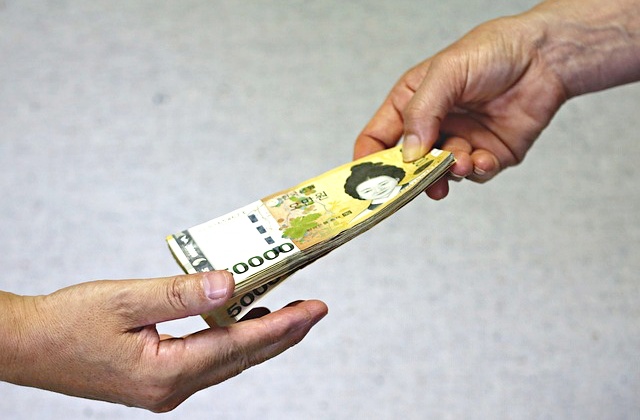
South Korea’s efforts to stabilise its currency are facing a growing domestic challenge as retail investors continue to pour record amounts of money into U.S. stocks, driving strong demand for dollars while the won trades near 17-year lows. The persistent strength of the U.S. dollar against the Korean won has complicated Seoul’s broader economic strategy, including plans to invest $350 billion in U.S. industries under a trade agreement with Washington.
At the heart of the issue is the surge in overseas investment by Korean retail investors, often referred to as “ants.” Despite government incentives designed to keep capital at home, many individuals are doubling down on American equities. Late last year, authorities introduced tax breaks to encourage investors to sell overseas stocks and reinvest domestically. Instead, many investors used the opportunity to increase their dollar purchases. One retail investor, Kang Hye-young, bought around 8 million won worth of dollars to invest in U.S. technology stocks such as Apple and Alphabet, reflecting a widespread belief that Wall Street still offers superior long-term returns.
This strong preference for U.S. equities persists even as South Korea’s Kospi index nearly doubled over the past year, making it one of the world’s best-performing stock markets. Analysts note that rallies in local stocks often accelerate capital outflows, as investors use domestic gains to fund further overseas investments. As a result, Korean retail investors held nearly $171 billion in overseas stocks by late January, while net purchases of U.S. shares reached $5 billion in a single month.
The impact on the foreign exchange market has been significant. The won has weakened about 0.9% so far this year, and dollar deposits held by local residents have climbed to record levels. Officials acknowledge that domestic demand for dollars, rather than foreign speculation, is the primary driver of the currency’s weakness. While some policymakers have discussed capital controls, such measures conflict with South Korea’s goal of internationalising the won and achieving developed-market status.
With investor confidence in domestic stocks still fragile, authorities are now reassessing their currency stabilisation tools, highlighting the limits of policy in the face of strong retail investor behaviour.







