


 Marco Rubio Reassures Gulf Allies Over U.S.-Iran Peace Deal
  US Approves $250 Million Fighter Jet Training Sale to Australia
  U.S. Eases Iran Team Travel Restrictions Ahead of Seattle World Cup Match
  Republican Lawmaker Introduces AI Incident Reporting Bill to Strengthen U.S. AI Safety
  US Mobilizes Aid After Powerful Earthquakes Devastate Venezuela
  US Senate Approves War Powers Resolution Urging Trump to End Iran Military Action
  US Reaffirms Taiwan Arms Sales Policy Despite Trump’s Comments on China
  Trump Orders DOJ Investigation Into Exxon, Chevron Over High Gas Prices
  Iran Attack in Strait of Hormuz Pushes Oil Prices Higher
  US Supreme Court Strikes Down Hawaii Gun Carry Law on Private Property
  Iran Strait of Hormuz Tensions Rise After Ship Attack Delays IMO Escort Mission
  Japan Signals Preference for Low Interest Rates as BOJ Policy Debate Intensifies
  Crimea Power Outage After Ukrainian Drone Attack, Russian Authorities Say
  US Urges States and Businesses to Strengthen Taiwan Ties Amid China Pressure
  Trump Requests $11 Billion More in Farm Aid as Rising Costs Pressure U.S. Farmers


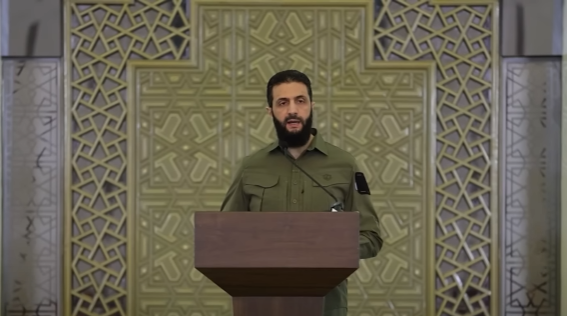
Syria is set to hold its first parliamentary election since the ouster of Bashar al-Assad, marking a pivotal step in the nation’s political transition. The vote, scheduled for Sunday, comes as President Ahmed al-Sharaa seeks to consolidate power in a country still fractured by 14 years of war and sectarian strife. However, the process has already raised concerns about inclusivity and representation under the new Islamist-led government.
Unlike traditional elections, this vote will be conducted indirectly. Regional electoral colleges, made up of 6,000 electors, will choose two-thirds of the 210-seat parliament from 1,570 approved candidates. Sharaa, who led the forces that toppled Assad in December, will appoint the remaining one-third of seats himself. Authorities say this system was adopted due to the lack of reliable population data and the displacement of millions of Syrians during the conflict. Yet, critics argue the centralized structure undermines democratic legitimacy.
The election will exclude regions under Kurdish-led and Druze control, leaving 19 seats vacant. In areas like Deir al-Zor, divided between government and Kurdish authority, residents complain of uneven representation. Many fear the process will entrench divisions rather than heal them.
Concerns over minority and women’s participation also loom large. Women account for more than 20% of candidates in only a quarter of districts, while in many others their presence is below 10%. No quotas have been established, leaving the burden on Sharaa to appoint women and minority representatives. Historically, under Assad’s rule, female lawmakers represented only 6% to 13% of parliament, highlighting a persistent gender gap.
Analysts warn the winner-takes-all system could produce a parliament dominated by Sunni Muslim men. While Sharaa has pledged inclusivity, observers caution he may use his appointments to tighten control. This election is being seen as a critical test—whether it can legitimize Syria’s fragile transition or deepen public mistrust of its new leadership.







