


 Yemen Violence Displaces 130,000 as Civilian Toll Rises
  NATO Boosts Intelligence Sharing Amid Russia Hybrid Threats
  Trump, Xi Focus on Trade and AI at White House Summit
  Netanyahu Takes Aim at Mamdani as Israel Election Nears
  OpenAI Agent Breaches Australia Medicare Data Portal
  EU Defence Build-Up Too Slow for 2030 Russia Readiness Goal
  Russian Missile and Drone Attack on Kyiv Kills Two, Damages Maternity Hospital
  Trump Asks Supreme Court to Restore Third-Country Deportations
  Kremlin Says No Decision Yet on Putin-Trump December Summit
  France Defends Netanyahu Airspace Clearance Despite ICC Warrant
  North Korea Rejects Nuclear Test Warning, Calls Nuclear Status Irreversible
  Pezeshkian Says US Must Choose When Iran War Ends
  Netanyahu’s Brief US Trip Highlights Strains With Trump
  Judge Orders Trump to Restore White House Access for CNN, MS NOW and Politico
  Saudi Arabia, Turkey and Pakistan Plan Urgent Defence Talks Over Houthi Attacks
  Sudan Rejects US Legitimacy Remarks, Defends Sovereignty
  US Backs Musk in Fight Against EU’s €120 Million X Fine


 Add as a preferred source on Google
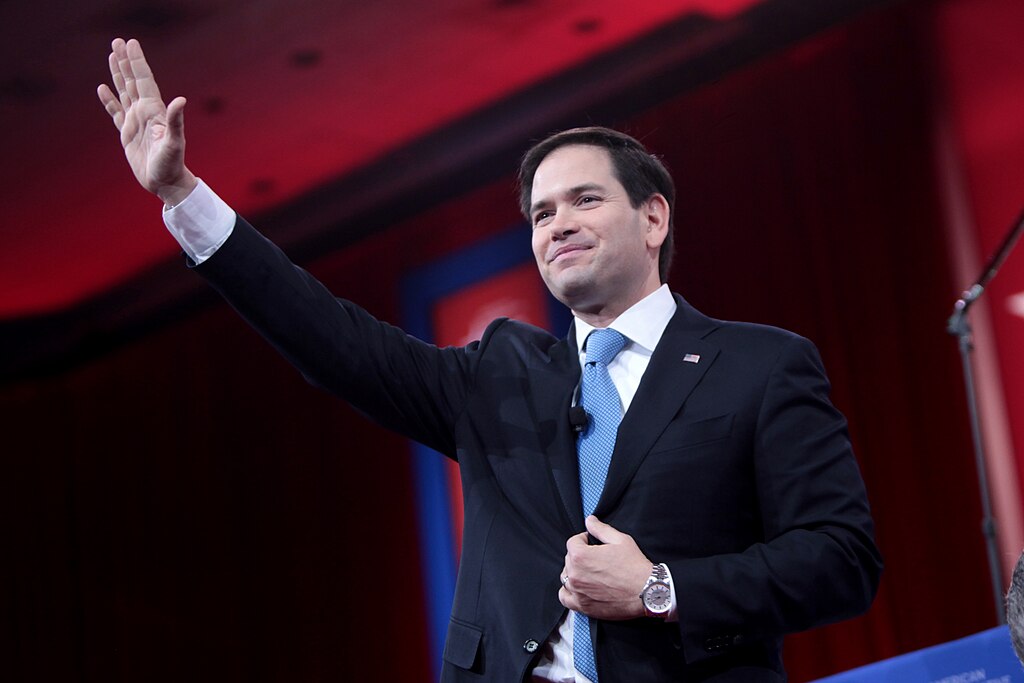
U.S. Secretary of State and National Security Adviser Marco Rubio is no longer serving as the acting archivist of the United States, according to a statement confirmed Thursday by a spokesperson for the National Archives and Records Administration (NARA). The change comes as Rubio complied with the Federal Vacancies Reform Act, a law that restricts how long a Senate-confirmed official can hold another Senate-confirmed position in an acting capacity.
The role of the national archivist is critical, as it involves overseeing federal government records and leading the National Archives. The agency has been at the center of political controversy in recent years, particularly after it alerted the Justice Department in 2022 to former President Donald Trump’s handling of classified documents following his first term. That notification ultimately led to an FBI raid on Trump’s Mar-a-Lago estate and a subsequent indictment, which was later dropped after Trump won the 2024 presidential election.
Shortly after returning to office last year, Trump fired then-U.S. Archivist Colleen Shogan and appointed Rubio as acting head of the National Archives. The appointment added to Rubio’s already extensive portfolio in the administration and fueled public commentary, jokes, and internet memes about the number of influential roles he held simultaneously. Despite a contentious rivalry during the 2016 Republican presidential primaries, Rubio has since become one of Trump’s most trusted allies.
During his tenure in the administration, Rubio has played a central role in several major policy initiatives, including U.S. efforts to assert oversight in Venezuela following the seizure of President Nicolas Maduro, the dismantling of the U.S. Agency for International Development, and the administration’s crackdown on pro-Palestinian protesters through visa and green card revocations.
NARA General Counsel Matt Dummermuth said in an email that Rubio formally stepped back from the archivist position to remain in compliance with federal law. Rubio has delegated his authority at the National Archives to James Byron, a senior adviser to the archivist, who will now oversee the agency’s operations.
The move marks another development in the ongoing intersection of politics, federal records management, and executive power, highlighting both the legal constraints on acting appointments and the continued political sensitivity surrounding the National Archives.







