


 Fed Unveils Stablecoin Rules Under GENIUS Act
  Oil Prices Ease as Iran Tensions Clash With Diplomacy Hopes
  U.S. Treasury Yields Surge as 30-Year Hits 22-Year High
  Trump, Xi Focus on Trade and AI at White House Summit
  Asian Currencies Mixed as Dollar Holds Near Two-Month High
  RBI Uses $10 Billion Currency Swaps to Drain Excess Rupee Liquidity
  Gold Prices Fall as Treasury Yields Rise on Fed Rate Hike Bets
  Japan Private-Sector Growth Slows as Domestic Demand Weakens
  US Stock Futures Fall as Treasury Yields Surge Ahead of Trump-Xi Summit
  Soybean Futures Slip as Traders Await Trump-Xi Trade Signals
  China’s ‘Lipstick King’ Says AI Won’t Replace Livestream Hosts
  Gold Holds Near $4,275 as Rising Treasury Yields Fuel Fed Rate Hike Bets
  European Stocks Fall as Bond Yields and Geopolitical Risks Weigh
  Fed Unveils Stablecoin Rules Under GENIUS Act
  US Comfortable With Canada Trade Standoff as Import Bans Loom
  Fed’s Hammack Says Bond Yield Surge Is Not Driven by Inflation Fears


 Add as a preferred source on Google
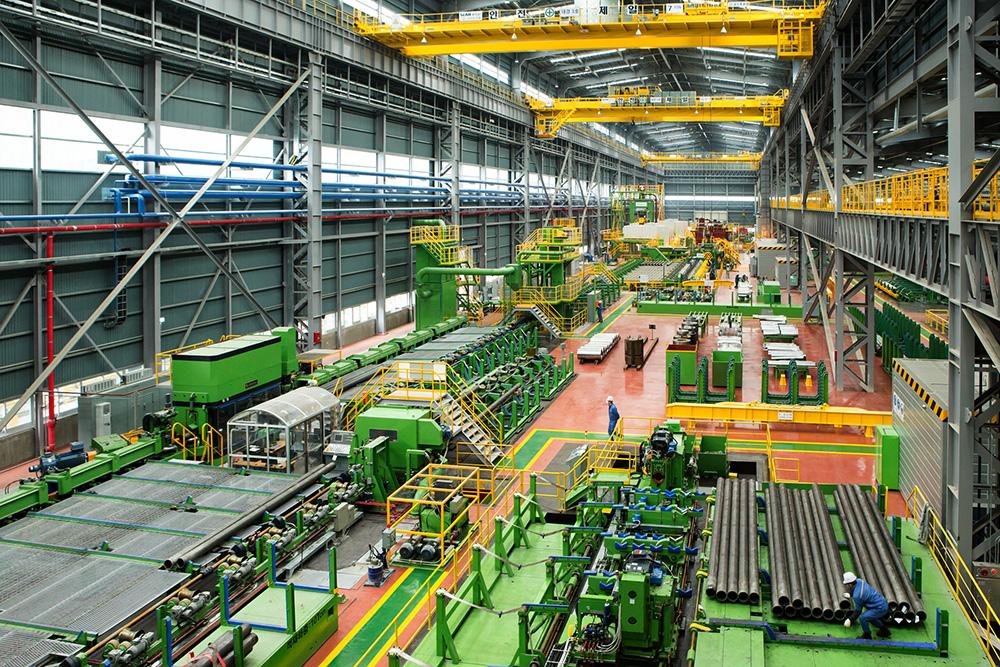
South Korea’s manufacturing sector returned to expansion territory in December, ending two consecutive months of contraction, as stronger export demand lifted business conditions and boosted confidence among manufacturers, according to a private-sector survey released on Friday.
The Purchasing Managers’ Index (PMI) for South Korean manufacturers, compiled by S&P Global, rose to 50.1 in December from 49.4 in November. A PMI reading above 50 signals expansion, while anything below that threshold indicates contraction. The latest data suggests that Asia’s fourth-largest economy is seeing early signs of stabilization in its factory sector, supported by improving global demand.
According to S&P Global Market Intelligence economist Usamah Bhatti, manufacturers reported that new product launches and stronger external demand played a key role in driving improved sales conditions. Export orders were highlighted as a major source of strength, underscoring the importance of overseas demand for South Korea’s trade-dependent economy.
New orders increased for the first time in three months, recording their strongest rise since November 2024. Export orders also rebounded, reflecting better conditions in key international markets. Although overall factory output continued to decline for a third straight month, the pace of contraction eased compared with November, suggesting that production levels may soon stabilize.
Other forward-looking indicators pointed to strengthening demand. Input purchases rose at their fastest pace since August 2024, while inventories of finished goods fell at the sharpest rate since May 2025, indicating that companies are drawing down stock to meet rising orders.
Optimism among manufacturers surged to its highest level since May 2022, driven by expectations of business expansion and continued new product development. The automobile and semiconductor industries were cited as key sectors expected to support growth in the year ahead.
On the inflation side, input prices climbed at the fastest rate since July 2022, largely due to currency weakness. This pushed output prices to a nine-month high, reversing the previous month’s decline. Overall, the December PMI data suggests improving momentum for South Korea’s manufacturing sector as exports regain strength.







