


 Trump, Xi Focus on Trade and AI at White House Summit
  NATO Boosts Intelligence Sharing Amid Russia Hybrid Threats
  Judge Orders Trump to Restore White House Access for CNN, MS NOW and Politico
  Najib Razak Seeks Stay of 15-Year 1MDB Prison Sentence
  Sudan Rejects US Legitimacy Remarks, Defends Sovereignty
  Saudi Arabia, Turkey and Pakistan Plan Urgent Defence Talks Over Houthi Attacks
  France Defends Netanyahu Airspace Clearance Despite ICC Warrant
  Netanyahu Defends Israel at UN as Delegates Stage Walkout
  North Korea Warns South Korea Over US-Led Defense Role
  Pezeshkian Says US Must Choose When Iran War Ends
  Russian Missile and Drone Attack on Kyiv Kills Two, Damages Maternity Hospital
  Trump Asks Supreme Court to Restore Third-Country Deportations
  What ‘Taiwan Independence’ Means as Xi Presses Trump on US Policy
  Netanyahu Takes Aim at Mamdani as Israel Election Nears
  US Senate Rejects Iran War Powers Resolution in 50-49 Vote
  US Backs Musk in Fight Against EU’s €120 Million X Fine
  Kremlin Says No Decision Yet on Putin-Trump December Summit


 Add as a preferred source on Google
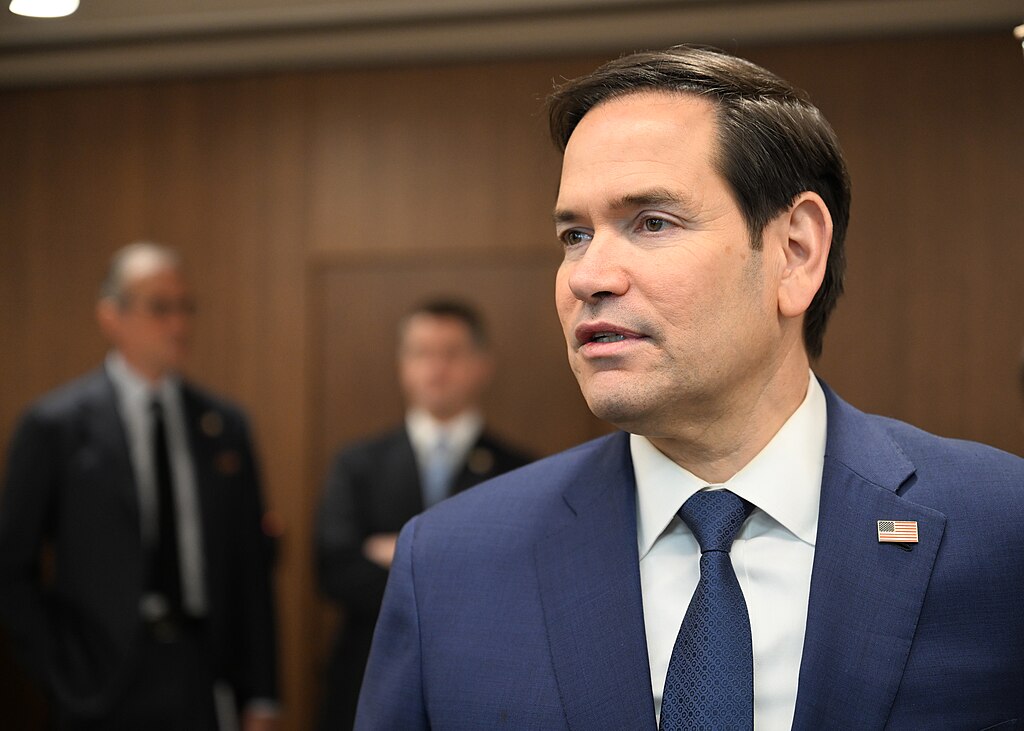
U.S. Secretary of State Marco Rubio visited Southeast Asia for the first time since taking office, aiming to reaffirm Washington’s commitment to the region despite President Trump’s sweeping new tariffs targeting eight ASEAN nations, Japan, and South Korea. Speaking at the ASEAN summit in Kuala Lumpur, Rubio stressed that the Indo-Pacific remains central to U.S. foreign policy and economic strategy.
Rubio’s message of reassurance, however, was clouded by Trump’s tariff hikes—set to begin August 1—which have sparked backlash from U.S. allies. Japan’s Prime Minister Shigeru Ishiba said the move highlights the need for greater national self-sufficiency in defense, energy, and food. Analysts note Rubio’s diplomatic efforts are undermined by Washington's trade stance, with ASEAN ministers reportedly receiving new tariff notices during his visit.
While meeting Malaysian Prime Minister Anwar Ibrahim, Rubio discussed AI chip security and critical mineral supply chains, but tariffs dominated the conversation. Anwar said Rubio promised to convey Malaysia’s concerns directly to Trump. Only Vietnam has secured a lower tariff rate so far.
Rubio also met with Russian Foreign Minister Sergei Lavrov for talks on Ukraine, and may meet China’s Wang Yi, who criticized U.S. pressure tactics and pushed for regional economic integration under the China-backed RCEP.
Tensions are mounting across the Indo-Pacific as Australia also seeks clarity on a proposed 200% tariff on its pharmaceutical exports. ASEAN foreign ministers plan to issue a joint statement voicing concern over rising global instability and unilateral trade actions.
Despite his diplomatic outreach, Rubio acknowledged trade tensions remain a key issue, even as he emphasized broader cooperation. A U.S. delegation led by Commerce Secretary Howard Lutnick will visit Japan next week to continue discussions.







