


 Asian Currencies Trade Mixed as Yen Hovers Near 40-Year Low, Dollar Holds Firm on Fed Outlook
  BOJ Signals More Rate Hikes as Inflation Risks Rise Amid Energy Price Pressures
  Oil Prices Rebound as Strait of Hormuz Tensions Return After Ship Attack Near Oman
  South Korea’s KOSPI Plunges as Apple Price Hikes and OpenAI IPO Delay Shake AI Chip Stocks
  Jerome Powell Warns Against Politicizing the Federal Reserve, Defends Democratic Institutions
  New Zealand Unemployment and Inflation Debate Intensifies Ahead of 2026 Election
  Fed Chair Kevin Warsh Signals Policy Overhaul as Hawkish Rate Outlook Rattles Markets
  Bessent Says U.S. Must Strengthen Supply Chains and Economic Security
  RBI Holds Interest Rates at 5.25%, Cuts India Growth Forecast Amid Rising Global Risks
  Japan Signals Preference for Low Interest Rates as BOJ Policy Debate Intensifies
  Gold Falls Below $4,000 as Strong Dollar and Fed Rate Hike Expectations Weigh on Prices
  Bank Regulation Rollbacks in the U.S. and UK Could Increase Financial Risks, Study Warns
  BOJ Hawk Signals Faster Interest Rate Hikes Amid Inflation Risks
  Gold Prices Fall Below $4,000 as Strong Dollar, Fed Rate Hike Bets Weigh on Bullion
  Oil Prices Drop as Middle East Supply Recovery Eases Market Concerns
  China Keeps Loan Prime Rates Unchanged for 13th Straight Month as Policymakers Prioritize Credit Demand Recovery


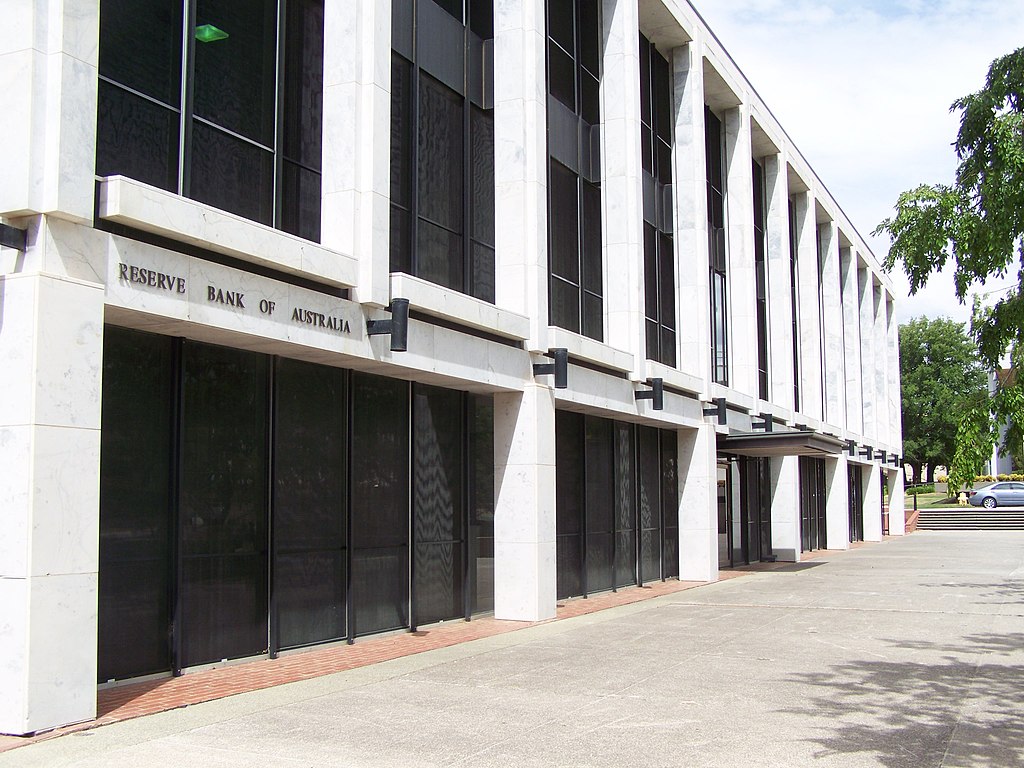
The Reserve Bank of Australia (RBA) is widely expected to raise interest rates by 25 basis points to 4.35% following its May 5 policy meeting, marking its third increase this year. This anticipated move would return the cash rate to levels last seen in late 2024 and effectively reverse the brief easing cycle observed in 2025. The decision comes amid renewed inflationary pressure, largely driven by rising global energy prices linked to the ongoing Middle East conflict.
Australia’s central bank has maintained a hawkish stance in response to persistent inflation, with recent data showing core inflation still well above the RBA’s target range of 2% to 3%. Increasing oil and energy costs are expected to further fuel price growth, prompting policymakers to act decisively. At the same time, the Australian labor market remains tight, providing the RBA with additional room to keep monetary policy restrictive.
Despite expectations of another rate hike, analysts believe the RBA may shift toward a more neutral tone after May. Many forecasts suggest the central bank could pause further tightening, allowing time to assess the full economic impact of elevated energy prices and previous rate increases. Market participants are closely watching the RBA’s post-meeting statement for any signals of an extended pause in policy adjustments.
The Australian dollar has already strengthened on expectations of higher interest rates, with the AUD/USD pair nearing multi-year highs. Higher yields tend to attract foreign investment into Australian assets, supporting the currency. However, a stronger Australian dollar may weigh on export competitiveness, particularly in key commodity sectors.
Meanwhile, the ASX 200 index has struggled amid rising borrowing costs and concerns over slower economic growth. Higher interest rates typically pressure equities, although financial stocks like banks and insurers may benefit from improved margins. In contrast, mining and resource stocks could face headwinds due to currency strength and softer global demand.
Overall, the RBA’s upcoming decision is set to influence currency markets, equity performance, and broader economic expectations in Australia.







