


 NASA Cuts Boeing Starliner Missions as SpaceX Pulls Ahead
  Is space worth the cost? Accounting experts say its value can’t be found in spreadsheets
  FDA Pilot Program Eases Rules for Nicotine Pouch Makers
  Bendigo and Adelaide Bank Posts Strong Q3 Earnings, Announces AI-Driven Job Cuts
  Microsoft's $10 Billion Japan Investment: AI Infrastructure and Data Sovereignty Push
  China vs. NASA: The New Moon Race and What's at Stake by 2030
  Apple Turns 50: From Garage Startup to AI Crossroads
  Tabletop particle accelerator could transform medicine and materials science
  Lost in space: MethaneSat failed just as NZ was to take over mission control – here’s what we need to know now
  Trump Administration to Launch Autism Initiatives Targeting Acetaminophen Use and New Treatment Options
  China's Push to Steal Taiwan's Chip Technology and Talent Raises Security Alarms
  Astronomers have discovered another puzzling interstellar object − this third one is big, bright and fast
  Lumentum Holdings Rides AI Wave With Order Book Filled Through 2028


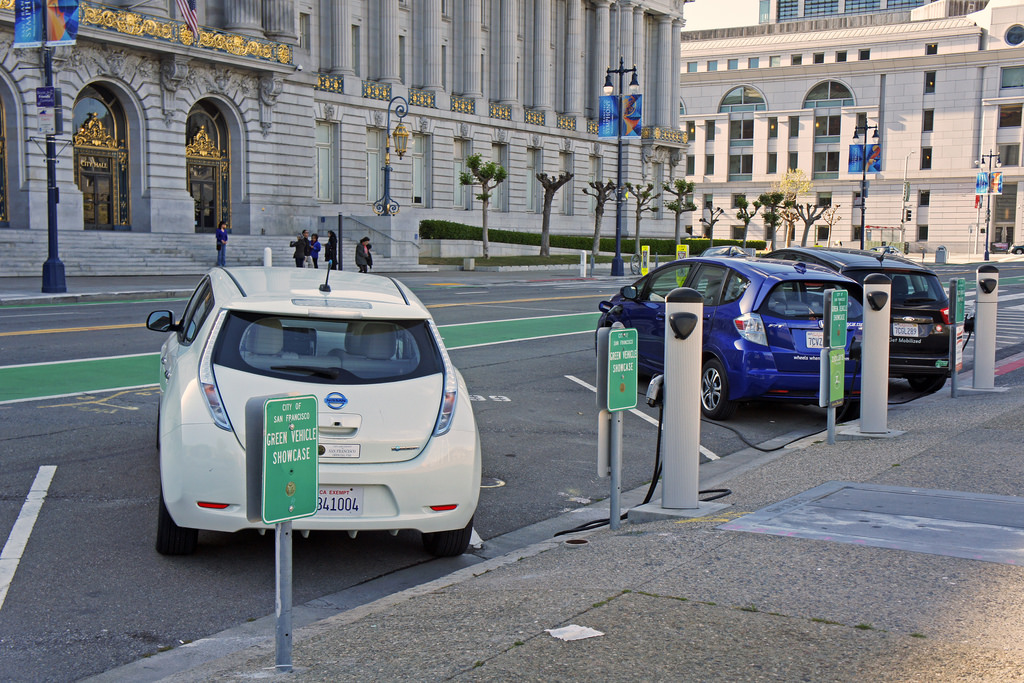
Right now, the Fossil Fuel industry is hanging on by a very thin thread that is the current technological limitations of renewable energy. However, this lifeline is getting weaker by the day. Thanks to a new discovery related to fast-charging batteries, the end of Big Oil might be closer than anybody would have thought. This new technology can make recharging electric cars as fast as refueling gas vehicles.
The discovery in question was made by researchers at the Purdue University. The project was led by Professor John Cushman and the findings were even presented at the International Society for Porous Media 9th International Conference held in The Netherlands. In the university press release, Cushman said that this new technology addresses the biggest challenge that electric cars face.
“Electric and hybrid vehicle sales are growing worldwide and the popularity of companies like Tesla is incredible, but there continues to be strong challenges for industry and consumers of electric or hybrid cars,” Cushman said. “The biggest challenge for industry is to extend the life of a battery’s charge and the infrastructure needed to actually charge the vehicle. The greatest hurdle for drivers is the time commitment to keeping their cars fully charged.”
Called the Ifbattery, the method basically involves refueling electric cars with a solution that contains electrolytes. Since the solutions are largely made up of water, it’s a safe alternative to petroleum and is sustainable since it can be used over and over.
The technology actually falls under a new kind of battery called a “flow battery,” Futurism reports. It basically works like a hybrid of fuel and electricity, which can be deposited in refueling stations in exchanged for a new batch. The used batch would then be sent to solar farms to be processed again. Instead of refining oil, these facilities will be refining the solution to charge it up with electrolytes.
Not only is the process sustainable and environmentally friendly, it’s also incredibly economical. On top of that, it’s a much safer option than either conventional Li-ion batteries or gas.







