


 Eli Lilly’s Inluriyo Gains FDA Approval for Advanced Breast Cancer Treatment
  Should I take zinc or eat oysters to ward off colds, boost my immune system or improve fertility?
  FDA Weighs Safety Standards for Psychedelic Therapies
  Synthetic data could ease people’s concerns about privacy breaches. But who gets to create it?
  SpaceX’s Starship Completes 11th Test Flight, Paving Way for Moon and Mars Missions
  Trump Signs Executive Order to Boost AI Research in Childhood Cancer
  Jared Isaacman Confirmed as NASA Administrator, Becomes 15th Leader of U.S. Space Agency
  White House Bars CNN, MS NOW and Politico Reporters
  US Immigration Arrests Surge as Deportations Lag Behind
  Judge Blocks Trump Rule Limiting Foreign Student Visas
  US Resumes Immigrant Visa Processing for Hungary, Poland
  SEC Seeks ISS Client Voting Records in Proxy Adviser Probe
  Eli Lilly Eyes AtaiBeckley Acquisition to Expand Psychedelic Mental Health Pipeline
  Trump and Merck KGaA Partner to Slash IVF Drug Costs and Expand Fertility Coverage


 Add as a preferred source on Google
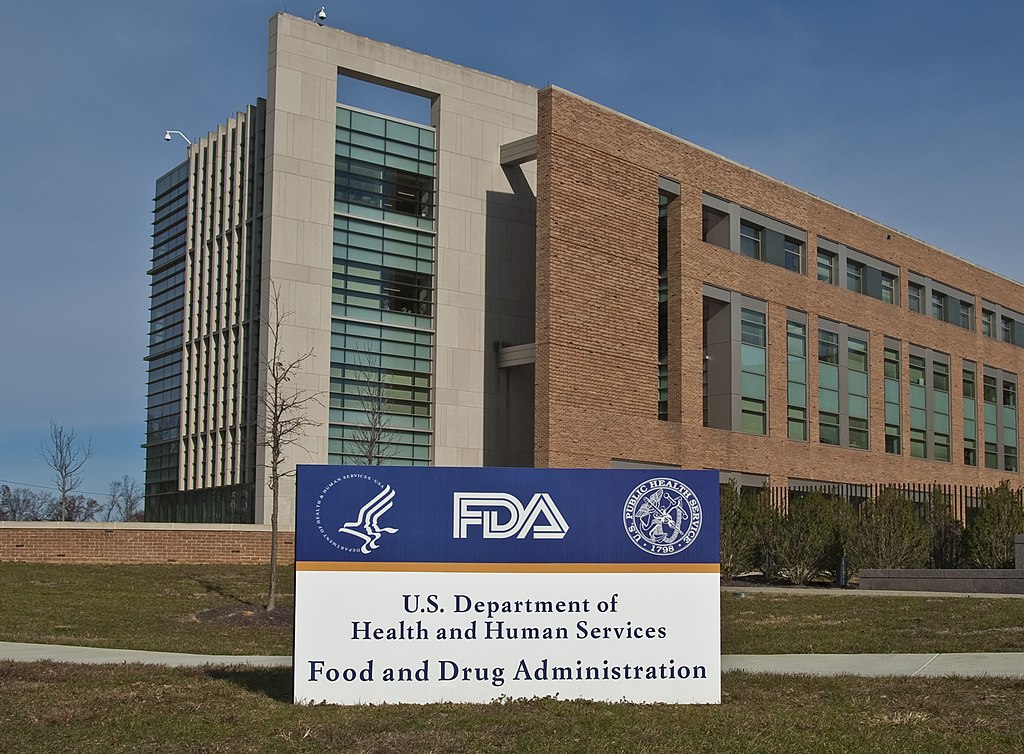
The U.S. Food and Drug Administration (FDA) is easing requirements for nicotine pouch manufacturers under a new pilot program, signaling a softer stance on smoking alternatives during the Trump administration. Traditionally, the FDA required extensive product-specific studies to prove new nicotine products benefit public health without fueling youth use. These studies often delayed approvals for years.
According to internal meeting transcripts, the FDA will now allow companies to rely on existing research on nicotine pouches rather than conducting separate studies on effectiveness in reducing smoking. The agency confirmed the pilot includes faster communication and shorter review timelines but did not publicly highlight the shift away from product-specific evidence.
This move could accelerate approvals for major tobacco companies such as Philip Morris International, Altria, and British American Tobacco, whose pouch brands Zyn, On! and Velo dominate the U.S. market. While industry leaders welcomed the program as a step toward sensible regulation, public health experts remain cautious.
Nicotine pouches are generally considered lower risk since they expose users to fewer harmful chemicals than cigarettes or vapes. So far, they have not shown a major uptick in youth use. Still, former FDA tobacco division directors warn that product differences, such as nicotine strength and flavors, could significantly influence consumer behavior and youth appeal.
Critics argue the FDA risks repeating mistakes seen with e-cigarettes, which spurred rapid youth adoption. Others, however, believe a streamlined process could expand access to less harmful alternatives for adult smokers.
The FDA emphasized it will not lower scientific standards or compromise public health, noting evidence requirements may vary by product type. If successful, the pilot could shape future reviews for other nicotine categories, including e-cigarettes, where the FDA has been more cautious.







