


 US, Japan and South Korea Back Taiwan Ahead of Trump-Xi Summit
  Taiwan Vows to Advance US Arms Sales Ahead of Trump-Xi Meeting
  Macron Challenges Trump’s Gaza Peace Claims at UN
  Iran Vows ‘Crushing’ Response as US Talks Continue
  China Tightens Fentanyl Rules Ahead of Trump-Xi Summit
  Scott Bessent Eyed as Trump’s New AI Czar
  Trump Administration Prepares Sanctions Against Entire ICC
  Trump Meets Venezuela’s Delcy Rodriguez at UN Assembly
  Vietnam, US Trade Deal Could Be Signed Soon, To Lam Says
  Trump Scales Back Endangered Species Act Protections
  Canada Unveils Bill to Fast-Track Major Resource Projects
  Carney Condemns Belleville Synagogue Shooting That Wounded Police Officer
  Trump to Press Xi on Release of US Nuclear Expert Held in China
  US Plans Two New Military Bases in Greenland Under Arctic Deal
  Trump Says ‘Freedom’ Is Coming to Cuba
  Burnham Eyes UK Leadership Role in AI Ahead of Trump Meeting
  Zelenskiy Meets CIA Chief John Ratcliffe at Ireland’s Shannon Airport


 Add as a preferred source on Google
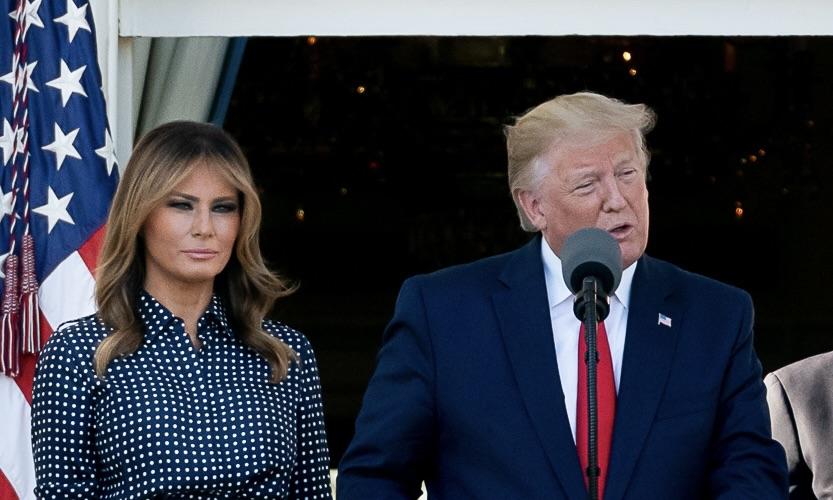
Mexico has signaled its intent to impose retaliatory tariffs on American goods in response to President Donald Trump’s recent announcement of sweeping tariffs on Mexican imports. The move threatens to escalate tensions between the two neighboring nations and could impact a wide range of industries, including agriculture and manufacturing, as Mexico considers measures to protect its economy and trade interests.
President Trump’s decision to implement tariffs on Mexican goods was part of his broader strategy to address immigration and trade imbalances. However, Mexico’s government has made it clear that it will not stand idly by. Mexican officials hinted at targeting key U.S. exports, including agricultural products such as corn, pork, and dairy, which could significantly affect American farmers and the broader economy.
The proposed tariffs by Mexico come amid ongoing trade disputes, raising concerns about the long-term consequences for both nations. Experts warn that a tit-for-tat tariff strategy could disrupt supply chains and hurt consumers on both sides of the border.
Impact on U.S.-Mexico Trade Relations
Trade between the United States and Mexico is substantial, with Mexico being the second-largest trading partner for the U.S. in 2023. Any disruption to this relationship could have severe repercussions for industries that rely heavily on cross-border trade.
Agricultural exports are particularly vulnerable, with Mexico being one of the largest buyers of U.S. corn and pork. If tariffs are imposed, American farmers could face higher costs and reduced market access, leading to financial strain in rural areas already struggling with economic challenges.
The automotive sector, which depends on components manufactured in both countries, is also at risk. Increased tariffs could lead to higher prices for vehicles and parts, further exacerbating inflationary pressures in the U.S. economy.
Meanwhile, Mexican officials argue that retaliatory tariffs are necessary to safeguard their domestic economy and send a strong message against what they perceive as unfair trade practices. The potential fallout has sparked debates among policymakers and business leaders about the need for a more collaborative approach to resolving trade disputes.
Public Reaction and Social Media Buzz
News of Mexico’s potential retaliation has ignited discussions on social media, with netizens expressing mixed opinions:
- @TradeWatcher2025: “Mexico has every right to stand up to Trump’s bullying tactics. This was bound to happen!”
- @FarmersFirstUSA: “These tariffs will destroy American agriculture. We need better solutions, not economic warfare!”
- @EconAnalyst23: “Tit-for-tat tariffs only hurt consumers. Both sides need to come to the table and negotiate.”
- @GlobalTradeGuru: “Trump’s policies are reckless. Retaliation from Mexico will just push the U.S. economy closer to recession.”
- @PatriotFarmer88: “It’s time to put America first! We can’t let Mexico dictate our policies.”
- @BorderEconomyPro: “Cross-border trade is too important to jeopardize. Tariffs will hurt both nations more than they help.”
A Call for Diplomatic Resolution
As tensions escalate, economists and trade experts are urging both nations to prioritize diplomacy over retaliatory measures. Collaborative efforts to address trade imbalances and immigration issues could prevent further damage to the economic partnership that underpins millions of jobs and livelihoods on both sides of the border.
While Mexico’s potential tariffs have yet to be finalized, the prospect of an escalating trade war highlights the complexities and risks of unilateral trade actions. Both nations face the challenge of navigating these disputes without undermining their economic stability or bilateral relationship.







