


 Trump Scales Back Endangered Species Act Protections
  UK, Mauritius Seek Diego Garcia Base Deal
  Carney Condemns Belleville Synagogue Shooting That Wounded Police Officer
  Lula and Flavio Bolsonaro Tied in Brazil Runoff Poll
  Macron, Trump Discuss Ukraine-Russia Energy Strike Moratorium
  Canada Unveils Bill to Fast-Track Major Resource Projects
  Trump Says ‘Freedom’ Is Coming to Cuba
  Paramount-Warner Bros $110 Billion Deal Draws Antitrust Backlash
  Lula Meets Mamdani in New York as Elections Approach
  Trump Meets Venezuela’s Delcy Rodriguez at UN Assembly
  US, Denmark and Greenland Set to Sign Arctic Security Deal
  US Plans Two New Military Bases in Greenland Under Arctic Deal
  Trump to Press Xi on Release of US Nuclear Expert Held in China
  CNN, MS NOW and Politico Sue Trump Over White House Media Ban
  US, Japan and South Korea Back Taiwan Ahead of Trump-Xi Summit
  Burnham Eyes UK Leadership Role in AI Ahead of Trump Meeting
  Kremlin Says No Grounds Yet for Ukraine Peace Talks


 Add as a preferred source on Google
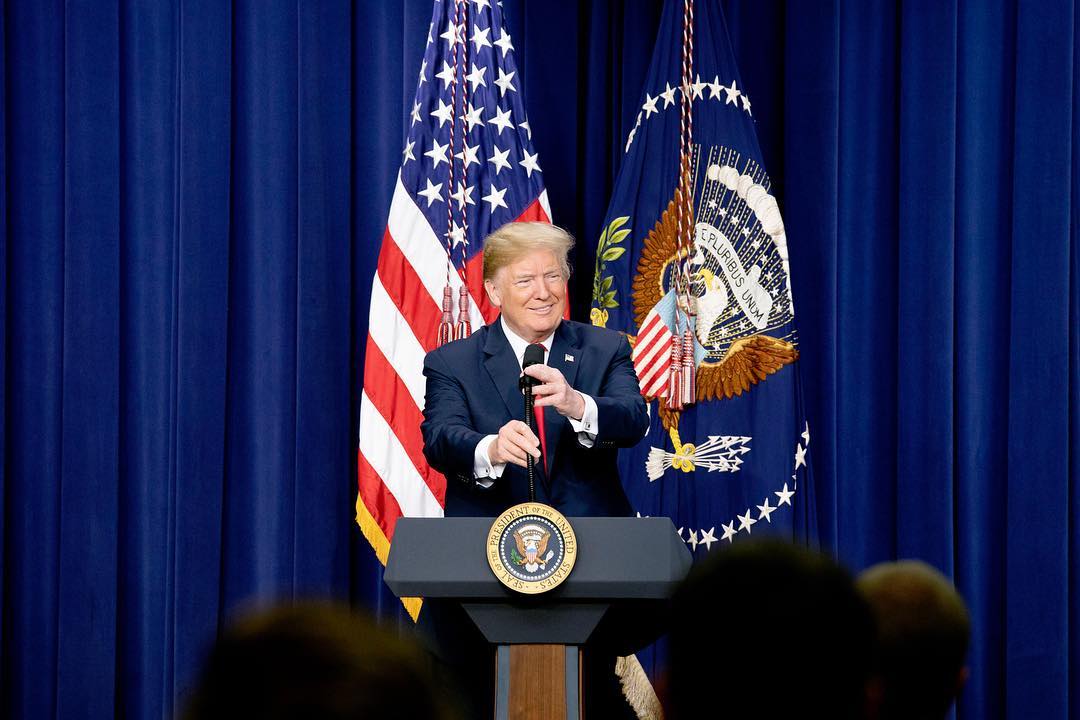
In 2025, President Donald Trump’s approach to labor unions has sparked heated debates across the country. With sweeping reforms aimed at reshaping workplace policies, Trump’s administration has implemented measures that some see as pro-business while others argue they undermine collective bargaining rights.
Trump has focused on limiting the influence of labor unions through policies that promote “right-to-work” laws. These laws, which make union membership optional in workplaces, have been supported by many Republican lawmakers and business leaders but criticized by labor advocates. Critics contend these measures weaken unions by reducing their funding and bargaining power.
The administration has also introduced legislation requiring unions to disclose detailed financial records, a move proponents argue enhances transparency. However, labor leaders say the mandate creates unnecessary administrative burdens designed to stifle union operations.
Union Leaders Voice Concerns Over Federal Intervention
Union representatives across the nation have expressed concern over what they view as an erosion of workers’ rights. Richard Trumka Jr., president of the AFL-CIO, called the new measures an “attack on the working class,” arguing that they threaten long-standing protections for organized labor.
A particularly controversial proposal includes restrictions on the ability of unions to strike in sectors deemed critical to national security, such as transportation and healthcare. The administration has defended the measure as a necessary safeguard to ensure economic stability. However, unions argue it is a direct infringement on their ability to advocate for fair wages and working conditions.
While Trump has publicly praised the role of unions in some sectors, such as manufacturing, his policies have often pitted workers against union leadership. Many union leaders believe these tactics are designed to create division within their ranks, weakening their collective influence.
Social Media Reactions Reflect National Divide
Trump’s policies on labor unions have ignited passionate reactions on social media. Supporters argue the reforms level the playing field for businesses, while detractors view them as anti-worker:
- @UnionStrong2025: “Trump’s attacks on unions hurt workers and families. This is about silencing collective voices! #WorkersRights”
- @RightToWorkNow: “Finally, a president who stands up for individual freedoms! No one should be forced to join a union. #FreedomToWork”
- @LaborAdvocate: “Restricting strikes in ‘critical sectors’ is just code for silencing workers. This is an outrage! #UnionBusting”
- @ProBizLeader: “Trump’s reforms are helping businesses thrive. Strong businesses mean more jobs. Unions need to evolve! #EconomyFirst”
- @EverydayWorker: “I’m in a union and I support transparency. Let’s make sure our dues are spent wisely. #Accountability”
- @UnionBuster2025: “Unions have had too much power for too long. Trump’s doing what needs to be done! #AmericaFirst”
Future of Labor Unions in 2025
As Trump’s administration continues to implement labor reforms, the divide between union leaders and the federal government shows no signs of narrowing. Supporters of the administration’s policies believe these changes foster economic growth and worker independence, while critics warn they erode decades of progress in labor rights.
The long-term impact of these measures remains uncertain, but union leaders are preparing for legal battles to protect their members. Meanwhile, businesses appear poised to benefit from reduced union influence, signaling an ongoing power struggle in the labor landscape.







