


 Iran Vows ‘Crushing’ Response as US Talks Continue
  Zelenskiy Meets CIA Chief John Ratcliffe at Ireland’s Shannon Airport
  Paramount-Warner Bros $110 Billion Deal Draws Antitrust Backlash
  Trump Board of Peace Unveils $2.45 Billion Gaza Recovery Plan
  US, Japan and South Korea Back Taiwan Ahead of Trump-Xi Summit
  Scott Bessent Eyed as Trump’s New AI Czar
  Lula and Flavio Bolsonaro Tied in Brazil Runoff Poll
  Trump Says ‘Freedom’ Is Coming to Cuba
  Burnham Eyes UK Leadership Role in AI Ahead of Trump Meeting
  Zelenskiy Warns Russia Preparing Major Attack on Ukraine
  Trump Says U.S.-Iran Peace Deal Near After UN Talks
  Lula Meets Mamdani in New York as Elections Approach
  Taiwan Vows to Advance US Arms Sales Ahead of Trump-Xi Meeting
  Marco Rubio to Meet Russia’s Lavrov in New York
  Canada Unveils Bill to Fast-Track Major Resource Projects
  Trump to Press Xi on Release of US Nuclear Expert Held in China
  Russian Strikes Kill Eight Across Ukraine as Energy Sites Hit


 Add as a preferred source on Google
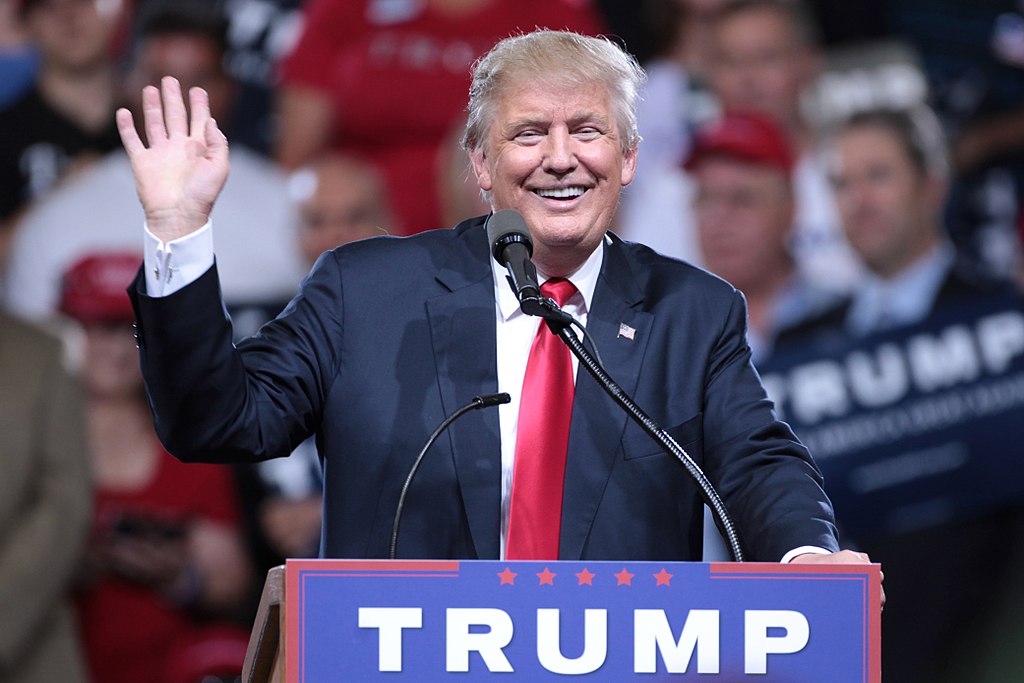
President Donald Trump’s strategies to address income inequality in 2025 are drawing mixed reactions from economists, policymakers, and the public. While his administration has introduced initiatives aimed at promoting job growth and incentivizing domestic investment, critics argue these policies disproportionately benefit the wealthiest Americans and fail to tackle systemic inequities.
Trump’s economic agenda heavily emphasizes tax reforms, deregulation, and workforce development. Central to his strategy is the expansion of opportunity zones, a program that offers tax breaks to encourage investment in economically disadvantaged areas. Proponents say this could stimulate job creation and infrastructure improvements in struggling communities. However, detractors claim the program lacks safeguards to ensure it benefits residents rather than wealthy investors.
Additionally, the administration has highlighted efforts to promote vocational training and apprenticeships, aiming to upskill workers for high-demand sectors. While these initiatives have garnered some bipartisan support, questions remain about their effectiveness in narrowing the widening wealth gap.
Mixed Economic Results in 2025
The U.S. economy in 2025 has seen robust job growth, with unemployment remaining at a historic low of 3.6%. Wage growth has also picked up slightly, particularly in the manufacturing and tech sectors. Yet, income inequality persists, with the top 1% of earners continuing to control a significant portion of the nation’s wealth.
According to a recent report from the Brookings Institution, Trump’s tax policies, including cuts for corporations and high-income individuals, have contributed to a record-breaking stock market but done little to improve the financial outlook for lower-income households. Critics argue that the benefits of these policies have failed to “trickle down” as promised.
Meanwhile, affordable housing remains a critical issue. The administration has made limited progress in addressing housing shortages, with many low- and middle-income families struggling to keep up with rising rents. Trump’s infrastructure package, though ambitious, has yet to produce tangible results in terms of affordable housing or expanded public transportation access.
Public Opinion Divided on Inequality Solutions
Reactions on social media reflect the polarized views on Trump’s approach to income inequality:
- @WealthWatch2025: "Trump’s tax cuts are fueling corporate greed. Where’s the plan for everyday Americans?"
- @RealAmericaFirst: "Opportunity zones are working. Small businesses are thriving, and communities are being rebuilt. #MAGA2025"
- @PolicyProgressive: "A booming stock market doesn’t put food on the table for working families. We need real change."
- @EconomyWins: "Apprenticeships and vocational training are the way forward. Finally, a president investing in skills!"
- @HousingHopeful: "Affordable housing is still a nightmare. Policies need to prioritize shelter, not just tax breaks for the rich."
- @EqualFutureNow: "Income inequality is the issue of our time, and this administration is just not doing enough."
Looking Ahead
While the administration touts its efforts to stimulate economic growth and create jobs, many Americans feel these measures fall short of addressing the underlying causes of income inequality. Analysts warn that failing to tackle systemic disparities could have long-term implications for the nation’s social and economic stability.
With 2025 shaping up to be a critical year for economic policy, the Trump administration faces mounting pressure to deliver solutions that benefit all Americans—not just the wealthiest.







