


 Trump Scales Back Endangered Species Act Protections
  Vietnam, US Trade Deal Could Be Signed Soon, To Lam Says
  Burnham Eyes UK Leadership Role in AI Ahead of Trump Meeting
  Trump to Press Xi on Release of US Nuclear Expert Held in China
  China Tightens Fentanyl Rules Ahead of Trump-Xi Summit
  Russian Strikes Kill Eight Across Ukraine as Energy Sites Hit
  Marco Rubio to Meet Russia’s Lavrov in New York
  Kremlin Says No Grounds Yet for Ukraine Peace Talks
  Trump Board of Peace Unveils $2.45 Billion Gaza Recovery Plan
  US, Japan and South Korea Back Taiwan Ahead of Trump-Xi Summit
  Trump Meets Venezuela’s Delcy Rodriguez at UN Assembly
  Trump Says U.S.-Iran Peace Deal Near After UN Talks
  CNN, MS NOW and Politico Sue Trump Over White House Media Ban
  Trump Administration Prepares Sanctions Against Entire ICC
  Macron, Trump Discuss Ukraine-Russia Energy Strike Moratorium
  Macron Challenges Trump’s Gaza Peace Claims at UN
  UK, Mauritius Seek Diego Garcia Base Deal


 Add as a preferred source on Google
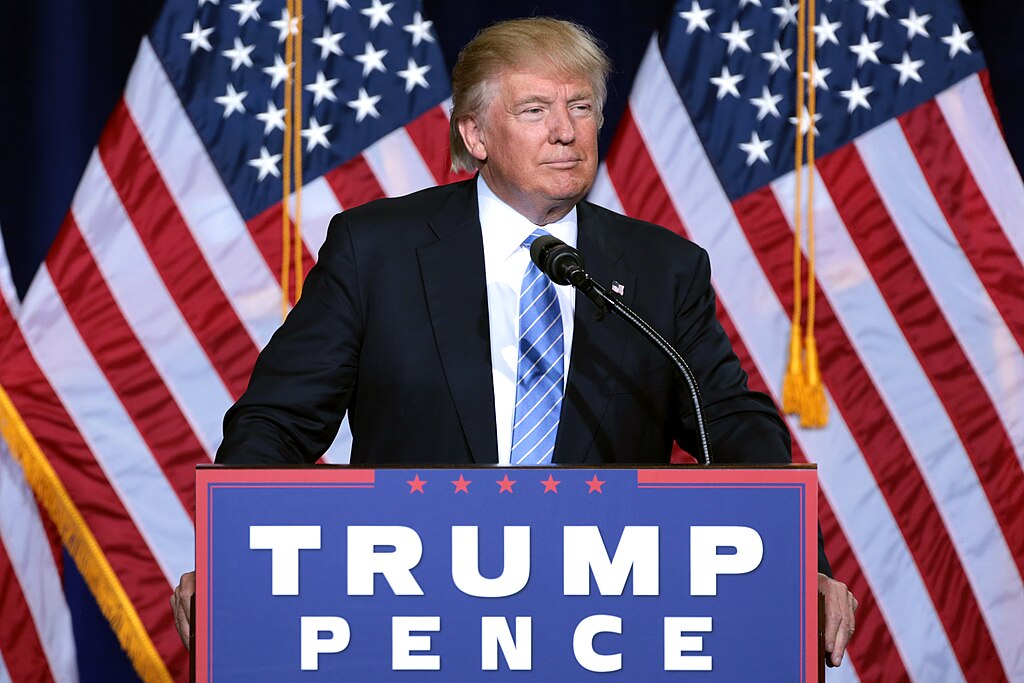
Healthcare premiums in the United States have become a focal point of debate under President Donald Trump’s 2025 administration. Amid a series of policy changes aimed at reshaping the healthcare system, many Americans are grappling with rising costs and reduced access to essential services.
Under the Trump administration, the Affordable Care Act (ACA) has faced significant restructuring. Key provisions, including federal subsidies and mandates for essential health benefits, have been scaled back. Critics argue that these changes have created a ripple effect, causing premiums to soar for middle- and low-income families. Meanwhile, the administration defends the reforms, asserting that they promote competition and reduce government overreach.
Market-Based Reforms and Rising Costs
One of the administration’s major healthcare initiatives involves expanding short-term, limited-duration insurance plans. These plans, often referred to as “skinny” coverage, provide a lower-cost alternative to comprehensive insurance. However, they are not required to cover pre-existing conditions or essential health benefits, such as maternity care or mental health services. While proponents praise these plans for their affordability, detractors argue that they leave consumers vulnerable to high out-of-pocket costs in the event of illness.
Additionally, the administration has loosened regulations on health savings accounts (HSAs), allowing individuals to save more money tax-free for medical expenses. While this move has been welcomed by higher-income earners, it offers little relief to those struggling to afford skyrocketing premiums.
According to the Kaiser Family Foundation, average premiums for individual plans under the ACA marketplace have increased by 12% in 2025. The removal of cost-sharing reductions and the repeal of the individual mandate penalty are cited as contributing factors.
Impact on Families and Seniors
Families and seniors, particularly those in rural areas, are feeling the brunt of the changes. The reduced federal funding for Medicaid has forced states to make cuts to services, leaving vulnerable populations with fewer healthcare options. Seniors on fixed incomes are also seeing higher costs for prescription drugs, despite the administration’s efforts to negotiate lower prices for select medications.
A report from the Congressional Budget Office (CBO) predicts that the number of uninsured Americans could rise by 6 million by the end of 2025. Advocacy groups warn that these trends could exacerbate health disparities, especially among minority and low-income communities.
Public Reactions and Online Backlash
The policy changes have sparked outrage on social media, with many Americans voicing their concerns about rising healthcare costs:
- @HealthJusticeNow: "Families are choosing between groceries and premiums. How is this 'making healthcare great again?' #HealthcareCrisis"
- @MomsForAffordableCare: "My son’s meds went from $150 to $600. Thanks, Trump. What am I supposed to do?"
- @ElderCareAdvocate: "Seniors shouldn’t have to ration meds. These policies are a disaster. #HealthcareForAll"
- @InsuranceWatchdog: "Skinny plans are a scam. They don’t cover anything when you need it most!"
- @MiddleClassDad2025: "12% premium hike? My paycheck didn’t go up 12%! Something has to change."
- @StudentHealthMatters: "Young people are being priced out of coverage. What’s the future for us? #FixHealthcare"
Looking Ahead
The administration insists its healthcare policies are fostering innovation and reducing long-term costs. However, critics argue that the short-term impact on families is severe and unsustainable. As the debate over healthcare premiums continues, millions of Americans are left questioning the future of affordable care under the Trump administration.







