


 US Officials Split Over Response to Israeli West Bank Settlements
  Marco Rubio to Meet Russia’s Lavrov in New York
  Taiwan Vows to Advance US Arms Sales Ahead of Trump-Xi Meeting
  Russian Missile and Drone Attack on Kyiv Kills Two, Damages Maternity Hospital
  Trump Meets Venezuela’s Delcy Rodriguez at UN Assembly
  Russian Strikes Kill Eight Across Ukraine as Energy Sites Hit
  Iran Vows ‘Crushing’ Response as US Talks Continue
  US Invites Putin to Miami G20, Opening Door to Trump Summit
  Europe Warns Russia Is Escalating Hybrid Attacks Across NATO
  Zelenskiy Warns Russia Preparing Major Attack on Ukraine
  Trump Says ‘Freedom’ Is Coming to Cuba
  Scott Bessent Eyed as Trump’s New AI Czar
  Gaza Faces Evacuation Crisis as War-Damaged Buildings Risk Collapse
  Taiwan Thanks US for Support Ahead of Trump-Xi Summit
  Sudan Rejects US Legitimacy Remarks, Defends Sovereignty
  Trump to Press Xi on Release of US Nuclear Expert Held in China
  Macron Challenges Trump’s Gaza Peace Claims at UN


 Add as a preferred source on Google
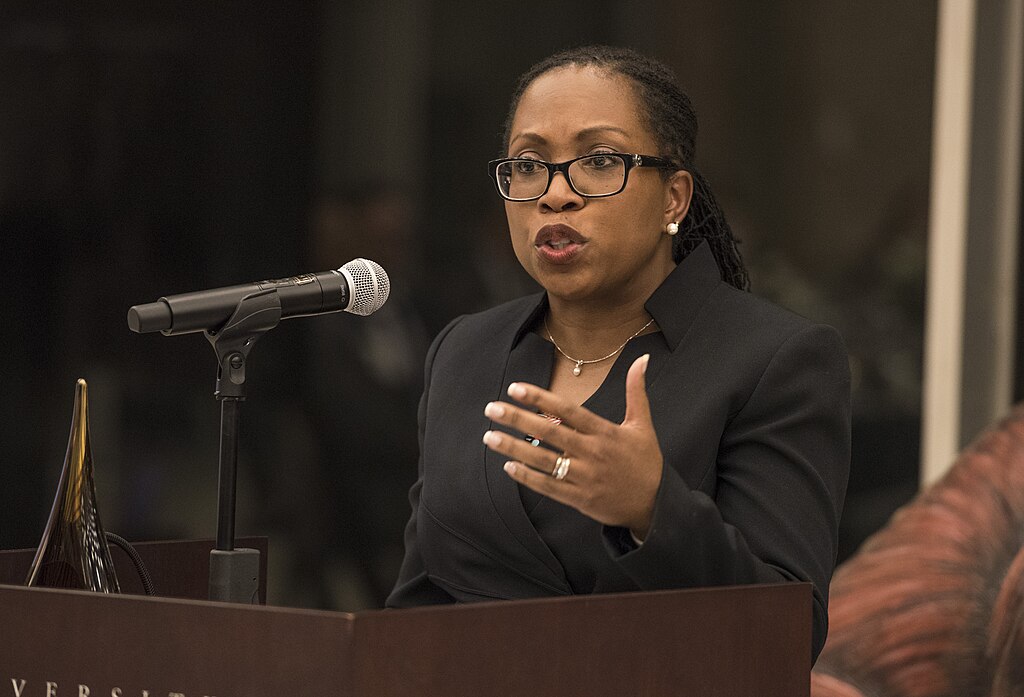
During recent Supreme Court deliberations on Tennessee's prohibition of gender-affirming medical treatments for minors, Justice Ketanji Brown Jackson drew a provocative parallel between such bans and historical prohibitions on interracial marriage. This comparison has ignited significant debate and public discourse.
Historical Context and Legal Parallels
Justice Jackson's analogy references the Supreme Court's landmark 1967 decision in Loving v. Virginia, which invalidated state laws banning interracial marriage. She suggested that, similar to those outdated prohibitions, current bans on gender-affirming care for minors may infringe upon constitutional equal protection rights. This perspective challenges the constitutionality of such bans, framing them as discriminatory practices.
Divergent Judicial Perspectives
The Court's conservative justices exhibited skepticism toward this viewpoint. Chief Justice John Roberts questioned the judiciary's role in medical regulatory decisions, implying that such matters might be better suited for legislative bodies. Justice Neil Gorsuch's silence during the proceedings left his stance unclear, adding an element of unpredictability to the Court's eventual ruling.
Public Reaction
Justice Jackson's comparison has elicited a spectrum of responses on social media:
-
@EqualityAdvocate: "Justice Jackson is spot on. Discrimination in any form is unacceptable."
-
@TraditionKeeper: "Equating medical procedures with marriage laws is a flawed analogy."
-
@HistoryBuff23: "Important to remember that bans on interracial marriage were once 'lawful' too. Progress requires challenging unjust laws."
-
@ParentProtect: "Protecting children from irreversible decisions isn't discrimination; it's responsibility."
-
@LegalEagle: "Interesting legal perspective. Shows how interpretations of equal protection can evolve."
-
@TransRightsNow: "Grateful for justices who understand the real-life impact of these laws on trans youth."
Implications for Transgender Rights
The Court's decision, anticipated by July, holds significant implications for transgender rights nationwide. A ruling upholding Tennessee's law could embolden other states to enact similar legislation, potentially restricting access to gender-affirming care for minors across the country. Conversely, striking down the law could affirm and expand protections for transgender individuals under the Constitution's equal protection clause.







