


 Trump Meets Venezuela’s Delcy Rodriguez at UN Assembly
  Europe Warns Russia Is Escalating Hybrid Attacks Across NATO
  Zelenskiy Warns Russia Preparing Major Attack on Ukraine
  Taiwan Vows to Advance US Arms Sales Ahead of Trump-Xi Meeting
  Scott Bessent Eyed as Trump’s New AI Czar
  Sudan Rejects US Legitimacy Remarks, Defends Sovereignty
  South Korea, US Discuss Warship Building Cooperation
  Kremlin Says No Grounds Yet for Ukraine Peace Talks
  Ghana Says Western Support Growing for Slave Trade Reparations
  Taiwan Thanks US for Support Ahead of Trump-Xi Summit
  US Officials Split Over Response to Israeli West Bank Settlements
  US Invites Putin to Miami G20, Opening Door to Trump Summit
  Trump Board of Peace Unveils $2.45 Billion Gaza Recovery Plan
  Iran Vows ‘Crushing’ Response as US Talks Continue
  Trump Administration Plans Faster FDA Reviews for Smoke-Free Nicotine Products
  Lula and Flavio Bolsonaro Tied in Brazil Runoff Poll
  Gaza Faces Evacuation Crisis as War-Damaged Buildings Risk Collapse


 Add as a preferred source on Google
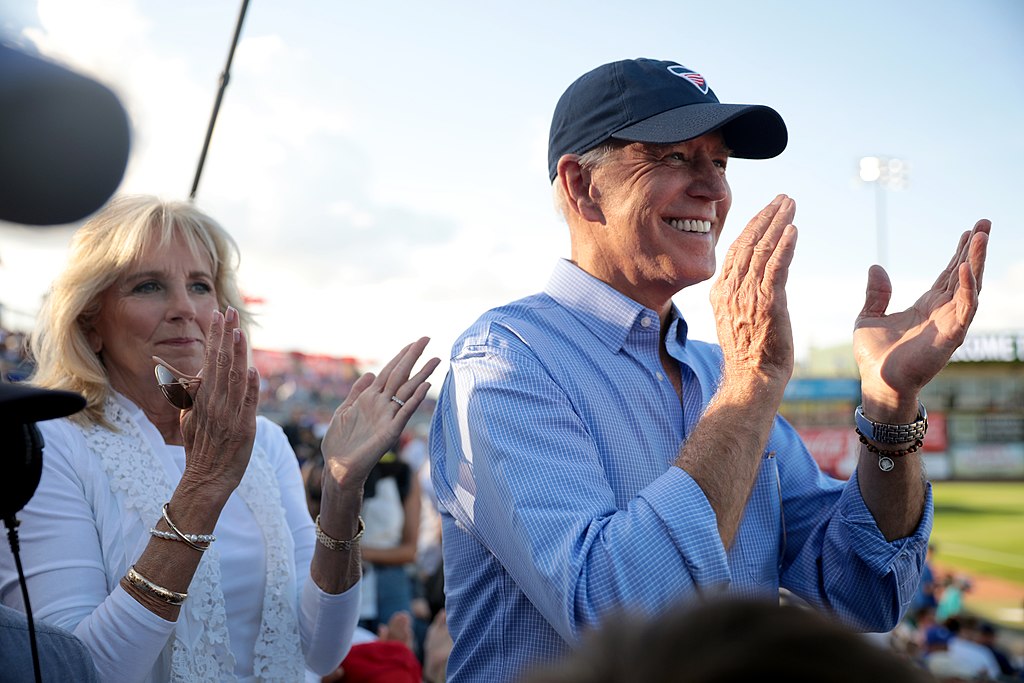
The Biden administration is reportedly deliberating preemptive pardons for Dr. Anthony Fauci, Senator-elect Adam Schiff, and former Representative Liz Cheney. This consideration arises from concerns that President-elect Donald Trump may pursue legal actions against his political adversaries upon assuming office.
Concerns Over Potential Prosecutions
Dr. Fauci, the former Director of the National Institute of Allergy and Infectious Diseases, has faced allegations from Republicans and watchdog groups. These include claims of misleading Congress about COVID-19's origins and using private email for official business. Senator-elect Schiff has been a prominent critic of Trump, notably during the investigations into alleged Russian interference in the 2016 election. Similarly, Liz Cheney co-led the House investigation into Trump's role in the January 6, 2021, Capitol riot.
Administration's Deliberations
The discussions, led by White House counsel Ed Siskel and involving top officials like Chief of Staff Jeff Zients, have not yet included President Biden. Officials are weighing the implications of issuing pardons to individuals not formally charged with crimes, considering whether such actions might imply wrongdoing. There's also concern that the intended recipients might reject the pardons.
Historical Context and Precedents
Historically, preemptive pardons have been rare but not unprecedented. In 1974, President Gerald Ford granted a full pardon to former President Richard Nixon for any crimes he "has committed or may have committed" during his presidency. This move aimed to heal the nation but was met with significant controversy. Similarly, the current administration's contemplation of preemptive pardons reflects concerns about potential politicized prosecutions.
Public Reaction and Political Implications
The potential pardons have ignited a spectrum of reactions on social media:
-
@LibertyLover: "Pardoning individuals not even charged? This sets a dangerous precedent. Accountability matters."
-
@JusticeSeeker: "If there's no crime, why the need for a pardon? This seems like an admission of guilt."
-
@PolicyWonk: "Biden's move reflects deep concerns about Trump's return. Safeguarding democracy or overreach?"
-
@HistoryBuff: "Ford's pardon of Nixon was controversial; Biden should tread carefully to avoid repeating mistakes."
-
@LegalEagle: "Preemptive pardons could undermine trust in the justice system. Let due process take its course."
-
@CivicSentinel: "Protecting public servants from political retribution is crucial, but this approach raises ethical questions."







