


 Trump Meets Venezuela’s Delcy Rodriguez at UN Assembly
  Lula and Flavio Bolsonaro Tied in Brazil Runoff Poll
  Trump Administration Plans Faster FDA Reviews for Smoke-Free Nicotine Products
  Trump to Press Xi on Release of US Nuclear Expert Held in China
  US Officials Split Over Response to Israeli West Bank Settlements
  Zelenskiy Warns Russia Preparing Major Attack on Ukraine
  US Invites Putin to Miami G20, Opening Door to Trump Summit
  Scott Bessent Eyed as Trump’s New AI Czar
  Marco Rubio to Meet Russia’s Lavrov in New York
  Trump Says ‘Freedom’ Is Coming to Cuba
  Iran Vows ‘Crushing’ Response as US Talks Continue
  Macron Challenges Trump’s Gaza Peace Claims at UN
  Ghana Says Western Support Growing for Slave Trade Reparations
  Canada Unveils Bill to Fast-Track Major Resource Projects
  Europe Warns Russia Is Escalating Hybrid Attacks Across NATO
  Venezuela Promises Elections as Delcy Rodriguez Pledges Democratic Transition
  Macron, Trump Discuss Ukraine-Russia Energy Strike Moratorium


 Add as a preferred source on Google
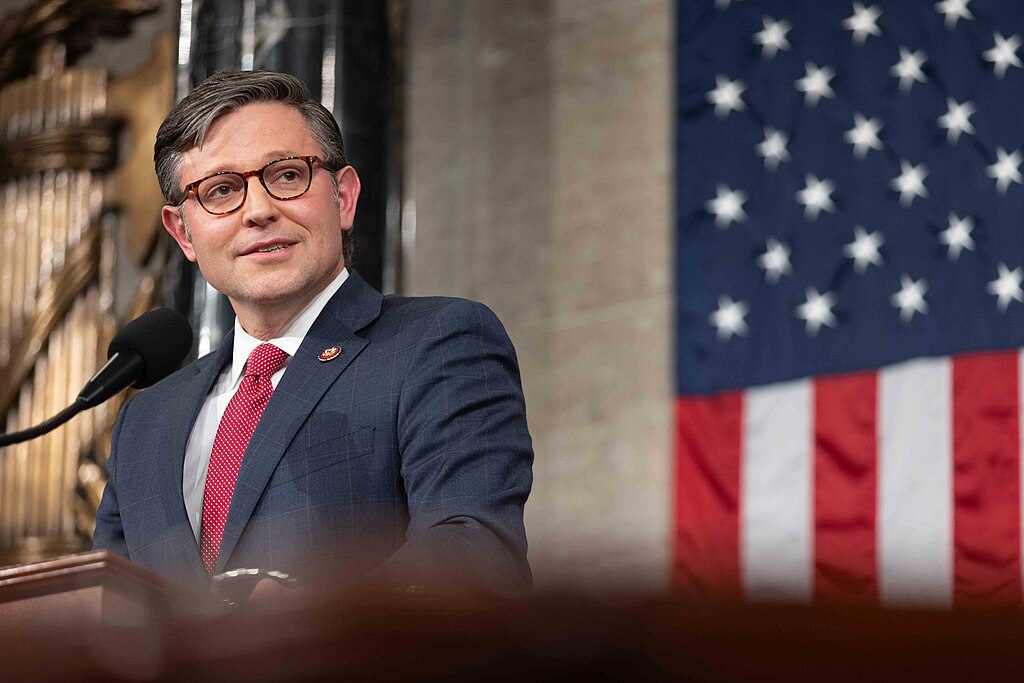
House Speaker Mike Johnson has declined President Joe Biden's request for additional funding for Ukraine, stating that he will await guidance from President-elect Donald Trump before proceeding.
Awaiting New Leadership
President Biden recently sought congressional approval for a $24 billion aid package to support Ukraine amid its ongoing conflict with Russia. However, Speaker Johnson emphasized the importance of deferring such decisions to the incoming administration. He remarked, "It is not the place of Joe Biden to make that decision now; we have a newly elected president, and we are going to wait and take the new commander in chief’s direction on all that."
Implications for U.S. Foreign Policy
This decision introduces uncertainty regarding the continuity of U.S. support for Ukraine. The delay in funding could impact Ukraine's defense capabilities and alter the dynamics of its conflict with Russia. Additionally, this move reflects a broader shift in U.S. foreign policy, as the incoming administration may reassess existing commitments and strategies.
Public Reaction
The Speaker's decision has ignited a spectrum of reactions on social media:
-
@PatriotVoice: "Finally, leadership that respects the will of the incoming administration. Biden's overreach needed checking."
-
@DemocracyDefender: "Delaying aid to Ukraine endangers lives and undermines our commitments to allies. This is reckless."
-
@PolicyWonk: "Deferring critical decisions to an incoming president sets a concerning precedent for transitional governance."
-
@GlobalObserver: "U.S. foreign policy requires consistency. This halt in aid sends mixed signals to both allies and adversaries."
-
@Constitutionalist: "The current president retains full authority until the transition. Johnson's stance is constitutionally questionable."
-
@HumanRightsAdvocate: "Ukraine's struggle is a fight for democracy. U.S. support shouldn't be a partisan issue subject to delays."
Historical Context
Historically, U.S. foreign aid decisions during presidential transitions have aimed to maintain stability and uphold international commitments. However, Speaker Johnson's approach indicates a departure from this norm, potentially signaling a reevaluation of foreign aid priorities under the forthcoming administration.







