


 Trump Administration Prepares Sanctions Against Entire ICC
  Scott Bessent Eyed as Trump’s New AI Czar
  Paramount-Warner Bros $110 Billion Deal Draws Antitrust Backlash
  Appeals Court Rejects Trump Third-Country Deportation Policy
  Ghana Says Western Support Growing for Slave Trade Reparations
  Kremlin Says No Grounds Yet for Ukraine Peace Talks
  US Judge Dismisses Imran Ahmed Deportation Lawsuit
  California Seeks Paramount Divestitures in Warner Bros. Merger
  Macron Challenges Trump’s Gaza Peace Claims at UN
  Meta Agrees to $18 Billion Settlement, Tightens Teen Social Media Rules
  US, China Extend Trade Truce to Jan. 10 Ahead of Trump-Xi Summit
  China Tightens Fentanyl Rules Ahead of Trump-Xi Summit
  DOJ Will Investigate AI-Related Crimes, Attorney General Blanche Says
  US Invites Putin to Miami G20, Opening Door to Trump Summit
  Iran Vows ‘Crushing’ Response as US Talks Continue
  Taiwan Vows to Advance US Arms Sales Ahead of Trump-Xi Meeting
  US Officials Split Over Response to Israeli West Bank Settlements


 Add as a preferred source on Google
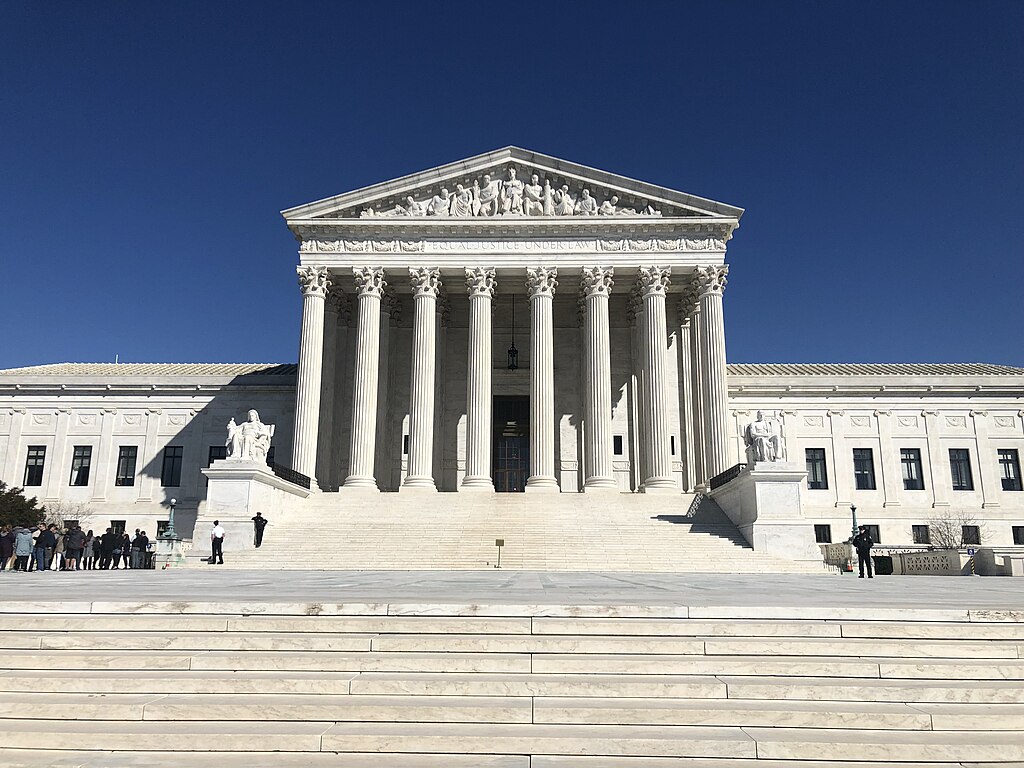
The U.S. Supreme Court appears inclined to uphold Tennessee's ban on gender-affirming medical treatments for transgender minors, a decision that could significantly impact similar laws nationwide.
Legal Context and Arguments
Tennessee's law, known as SB1, prohibits puberty blockers, hormone therapy, and gender-affirming surgeries for individuals under 18. The state argues that these measures protect minors from making irreversible decisions at a young age. During recent oral arguments, some justices suggested that such policy decisions are best left to elected lawmakers rather than the judiciary.
Conversely, challengers, including the Biden administration and families of transgender minors, contend that the ban violates the Equal Protection Clause of the 14th Amendment. They assert that denying access to gender-affirming care discriminates based on sex and gender identity, causing undue harm to transgender youth.
Potential Nationwide Impact
A ruling in favor of Tennessee could validate similar bans in over 25 states, potentially restricting access to gender-affirming care across the country. Legal experts warn that such a decision might undermine established precedents concerning sex-based discrimination, affecting not only transgender individuals but also broader anti-discrimination protections.
Public Reaction
The case has ignited a spectrum of reactions on social media:
-
@TransRightsNow: "Upholding this ban would set a dangerous precedent for transgender rights nationwide."
-
@ParentAdvocate: "Parents, not the government, should decide what's best for their children's health."
-
@LegalEagle: "This case could redefine the judiciary's role in safeguarding minority rights against majority rule."
-
@HealthEquity: "Access to medically necessary care shouldn't be subject to political whims."
-
@YouthVoice: "Trans youth deserve support and affirmation, not legal barriers to their well-being."
-
@PolicyWatcher: "The Court's decision will have lasting implications for healthcare policy and civil rights."
Looking Ahead
The Supreme Court's decision, expected by June 2025, will have profound implications for transgender rights and healthcare access in the United States. As the nation awaits the outcome, the case underscores the ongoing debate over the balance between state authority and individual rights in the realm of medical care.







