


 What ‘Taiwan Independence’ Means as Xi Presses Trump on US Policy
  South Korea, US Discuss Warship Building Cooperation
  North Korea Rejects Nuclear Test Warning, Calls Nuclear Status Irreversible
  Russian Missile and Drone Attack on Kyiv Kills Two, Damages Maternity Hospital
  Kremlin Says No Decision Yet on Putin-Trump December Summit
  US Backs Musk in Fight Against EU’s €120 Million X Fine
  Judge Orders Trump to Restore White House Access for CNN, MS NOW and Politico
  Netanyahu’s Brief US Trip Highlights Strains With Trump
  France Defends Netanyahu Airspace Clearance Despite ICC Warrant
  Netanyahu Defends Israel at UN as Delegates Stage Walkout
  Najib Razak Seeks Stay of 15-Year 1MDB Prison Sentence
  Taiwan Thanks US for Support Ahead of Trump-Xi Summit
  Saudi Arabia, Turkey and Pakistan Plan Urgent Defence Talks Over Houthi Attacks
  Yemen Violence Displaces 130,000 as Civilian Toll Rises
  EU Defence Build-Up Too Slow for 2030 Russia Readiness Goal
  Pezeshkian Says US Must Choose When Iran War Ends
  Trump, Xi Visit US National Archives After White House Summit


 Add as a preferred source on Google
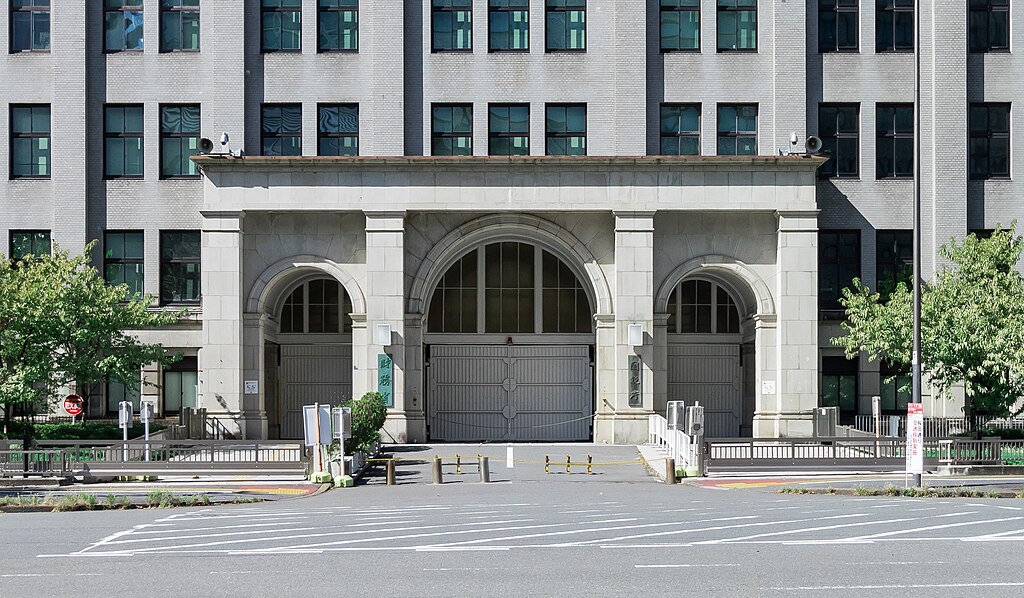
Japan has reappointed Atsushi Mimura as vice finance minister for international affairs, solidifying his leadership over foreign exchange policy during critical U.S. tariff negotiations. The reappointment, announced by the finance ministry on Tuesday, is effective July 1 and marks Mimura’s second year in the role.
Finance Minister Katsunobu Kato cited Mimura’s experience and current involvement in trade talks with Washington, including dialogue with U.S. Treasury Secretary Scott Bessent, as key reasons for his continued tenure. Mimura, 58, oversees Japan’s currency strategy and international economic coordination.
His reappointment signals continuity as Japan navigates a fragile economic landscape shaped by a weak yen. Though the Japanese currency has rebounded slightly to around 145 per dollar—up from a 38-year low of 161.96 last year—it continues to pressure policymakers by raising import-driven inflation.
Unlike his predecessor Masato Kanda, who served three years and led historic currency interventions, Mimura is known for his minimalist communication style. During last November’s sharp yen drop past 150, he escalated warnings from “high urgency” to “utmost urgency,” signaling heightened concern without overt action.
Mimura believes strategic silence can also be a form of guidance. “Being always vocal is one style of communication, but not speaking may also be another,” he told Reuters, underscoring a careful balance to avoid fueling market speculation.
While Japan’s finance ministry typically rotates personnel annually, extended terms are common for senior FX officials due to the complex nature of global monetary coordination. Mimura’s steady leadership is seen as critical as Japan balances inflation risks, currency stability, and trade diplomacy with the U.S. in 2025.







