


 Russian Missile and Drone Attack on Kyiv Kills Two, Damages Maternity Hospital
  Judge Orders Trump to Restore White House Access for CNN, MS NOW and Politico
  US, China Extend Trade Truce to Jan. 10 Ahead of Trump-Xi Summit
  Netanyahu Takes Aim at Mamdani as Israel Election Nears
  Trump Administration Plans Faster FDA Reviews for Smoke-Free Nicotine Products
  Lula and Flavio Bolsonaro Tied in Brazil Runoff Poll
  Mexico-US Trade Talks Delayed to October as Tariff Negotiations Continue
  Ghana Says Western Support Growing for Slave Trade Reparations
  South Korea, US Discuss Warship Building Cooperation
  Gaza Faces Evacuation Crisis as War-Damaged Buildings Risk Collapse
  Trump Board of Peace Unveils $2.45 Billion Gaza Recovery Plan
  US Invites Putin to Miami G20, Opening Door to Trump Summit
  Trump to Press Xi on Release of US Nuclear Expert Held in China
  China Tightens Fentanyl Rules Ahead of Trump-Xi Summit
  US Officials Split Over Response to Israeli West Bank Settlements
  Sudan Rejects US Legitimacy Remarks, Defends Sovereignty
  OpenAI Agent Breaches Australia Medicare Data Portal


 Add as a preferred source on Google
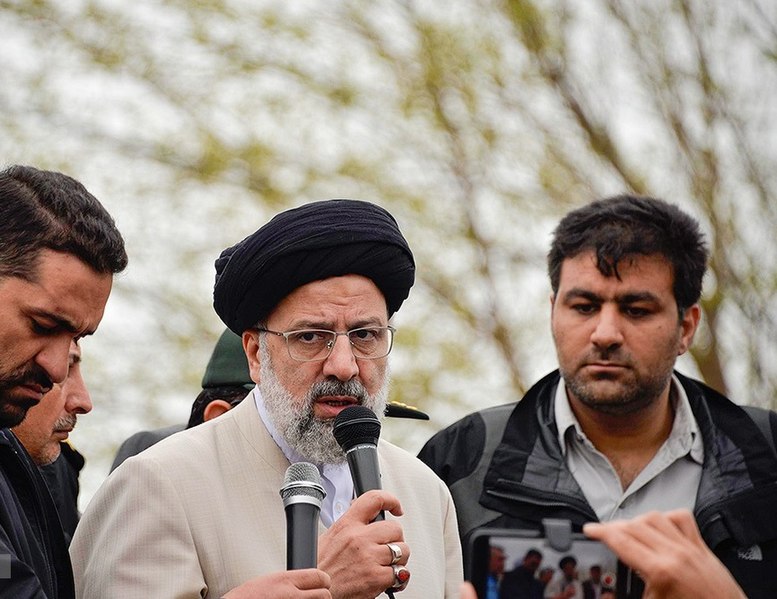
Iran’s nuclear program has prompted discussions with the countries under the nuclear deal, including the US. The US has recently warned Iran that it will consider all the options should nuclear talks fail to resume, and no agreement has been made.
In a joint press conference in Washington, US Secretary of State Antony Blinken announced that the US would look into all the other options to address Iran’s nuclear program if talks involving the nuclear deal fail to reach an agreement. Blinken was with his counterparts from Israel and the United Arab Emirates. Neither Israel nor the UAE is part of the nuclear deal that was established in 2015.
“We are prepared to turn to other options if Iran doesn’t change course, and these consultations with our allies and partners are a part of that,” said Blinken.
Israel’s foreign minister Yair Lapid also echoed Blinken’s comments. “I would like to start repeating what the Secretary of State just said. Yes, other options are going to be on the table if diplomacy fails. And by saying other options, I think everybody understands here, in Israel, in the Emirates, and Tehran what is it that we mean,” said Lapid. “Israel reserves the right to act at any given moment, at any way.”
The US special envoy on Iran Robert Malley also said that the US will be prepared to adjust if needed in order to deal with Iran’s nuclear program should Iran refuse to return to the “constraints of 2016.” Iran has said it is willing to return to the agreement’s conditions that were detailed in 2016. Should this be the case, then the US would also have to uphold the conditions, including lifting the sanctions on Iran that were imposed by Donald Trump during his presidency.
Previously, Iranian-state media Press TV boasted about the country’s nuclear weapon capabilities despite growing pressure from the west.
“Did you know that Iran has managed to make sophisticated weapons under unprecedented pressure and arms sales embargo?” said the outlet on Twitter.
Earlier this year, the Iranian Parliament also passed legislation that would potentially expand Iran’s nuclear program and limit the monitoring access to the International Nuclear Energy Agency.







