


 Zelenskiy Warns Russia Preparing Major Attack on Ukraine
  US Officials Split Over Response to Israeli West Bank Settlements
  Burnham Eyes UK Leadership Role in AI Ahead of Trump Meeting
  Trump Says U.S.-Iran Peace Deal Near After UN Talks
  Trump Administration Plans Faster FDA Reviews for Smoke-Free Nicotine Products
  US, China Extend Trade Truce to Jan. 10 Ahead of Trump-Xi Summit
  Trump Meets Venezuela’s Delcy Rodriguez at UN Assembly
  Europe Warns Russia Is Escalating Hybrid Attacks Across NATO
  Ghana Says Western Support Growing for Slave Trade Reparations
  US Invites Putin to Miami G20, Opening Door to Trump Summit
  Scott Bessent Eyed as Trump’s New AI Czar
  Trump to Press Xi on Release of US Nuclear Expert Held in China
  Gaza Faces Evacuation Crisis as War-Damaged Buildings Risk Collapse
  Marco Rubio to Meet Russia’s Lavrov in New York
  Vietnam, US Trade Deal Could Be Signed Soon, To Lam Says
  Russian Envoy Dmitriev Heads to US for Ukraine Talks
  Trump Says ‘Freedom’ Is Coming to Cuba


 Add as a preferred source on Google
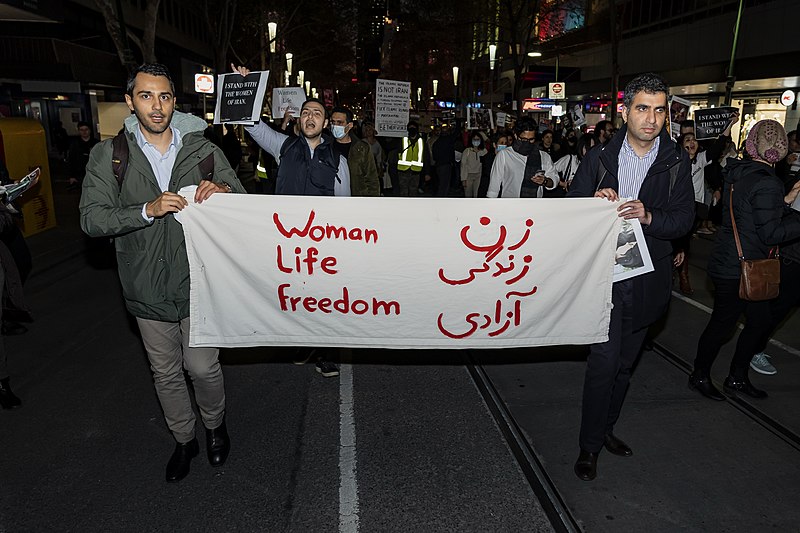
Iran is still facing protests to this day since the demonstrations began in September in the biggest show of opposition to the clerical establishment. Protesters have now called for a three-day strike in another effort to increase pressure on the Islamic Republic.
On Sunday, protesters in Iran called for a three-day strike this week to increase the pressure on Tehran. The demonstrators called for a three-day economic strike and a rally in Tehran’s Azadi Square on Wednesday, according to individual posts shared on social media.
Similar calls for strikes and mass mobilization in the past weeks have led to an escalation in one of the biggest shows of opposition to the Islamic Republic since 1979.
Iranian President Ebrahim Raisi is also set to address students on Wednesday to mark Student Day.
The latest calls for an economic strike follow the announcement made by the Iranian prosecutor that the country’s morality police was shut down. The Iranian interior ministry has yet to confirm the shutdown of the morality police, and Iranian state media outlets said the country’s Public Prosecutor, Mohammad Jafar Montazeri was not in charge of overseeing the force.
Protests erupted across the country in September following the death of Kurdish-Iranian Mahsa Amini. Amini died in the custody of the morality police after getting arrested for allegedly flouting the Islamic Republic’s dress code on women.
Top officials said that there are no plans to change the Islamic Republic’s mandatory hijab policy, even after 11 weeks of protests against the strict dress regulations. Tehran has also sought to blame its foreign adversaries for fomenting the unrest, accusing them of trying to destabilize the country.
Iranian shops in several cities appeared to heed the calls of protesters for strikes on Monday, having closed down in support of the demonstrations. Footage shared on social media showed closed shops in the cities of Bojnourd, Kerman, Sabvezar, Ilam, Ardabil, and Lahijan.
The head of Iran’s judiciary accused “rioters” of threatening shopkeepers to support the protests by closing down their shops. The judiciary head added that they would be taking immediate action in dealing with the “rioters” and that protesters who were sentenced to death would soon face execution.







