


 China Tightens Fentanyl Rules Ahead of Trump-Xi Summit
  Lula and Flavio Bolsonaro Tied in Brazil Runoff Poll
  Vietnam, US Trade Deal Could Be Signed Soon, To Lam Says
  Canada Unveils Bill to Fast-Track Major Resource Projects
  Marco Rubio to Meet Russia’s Lavrov in New York
  US Invites Putin to Miami G20, Opening Door to Trump Summit
  Zelenskiy Warns Russia Preparing Major Attack on Ukraine
  Russian Envoy Dmitriev Heads to US for Ukraine Talks
  US, China Extend Trade Truce to Jan. 10 Ahead of Trump-Xi Summit
  Russian Strikes Kill Eight Across Ukraine as Energy Sites Hit
  Macron Challenges Trump’s Gaza Peace Claims at UN
  Trump Says ‘Freedom’ Is Coming to Cuba
  Gaza Faces Evacuation Crisis as War-Damaged Buildings Risk Collapse
  Trump to Press Xi on Release of US Nuclear Expert Held in China
  Sudan Rejects US Legitimacy Remarks, Defends Sovereignty
  Burnham Eyes UK Leadership Role in AI Ahead of Trump Meeting
  US Officials Split Over Response to Israeli West Bank Settlements


 Add as a preferred source on Google
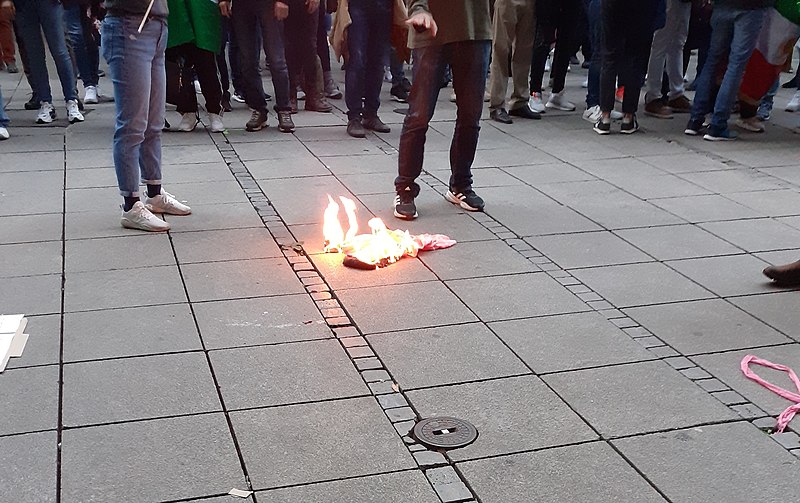
The state security body in Iran has given its estimate of the number of people killed in the country as a result of the ongoing protests. The initial assessment of the security body said that over 200 people were killed in the demonstrations.
The Iranian interior ministry’s state security council issued a statement Saturday with its assessment of the number of fatalities resulting from the ongoing protests. The council said that over 200 people have been killed in the unrest, including the security forces killed in “terrorist acts” and those killed by so-called foreign groups that were framed as killed by security forces, as well as “armed anti-revolutionary elements who were members of secessionist groups.”
The security body also included “innocent people who have died in conditions of security disarray” in its assessment. However, the security body did not reveal how those people were killed. The announcement by the council came a day after Islamic Revolutionary Guard General Amir Ali Hajizadeh said that over 300 were “martyred” and died in the ongoing protests that started in September.
The figures provided by Hajizadeh and the state security council are lower than what rights groups have provided, which is higher than 400.
The statement also stressed the role of foreign intervention in the demonstrations, saying that the Islamic Republic has been facing a “hybrid war” waged by its adversaries and “terrorist” media groups. Tehran has sought to blame the United States, the United Kingdom, Israel, and Saudi Arabia for fomenting the protests that erupted in September following the death of Kurdish-Iranian Mahsa Amini in the custody of its morality police for allegedly flouting the dress code imposed on women.
The Iranian judiciary announced that it has executed four people accused of cooperating with Israeli intelligence by hanging early Sunday. The judiciary said the four accused were “thugs” that were guided by Israeli intelligence as they allegedly engaged in the destruction of public property, theft, kidnappings, and obtaining fake confessions.
The judiciary said the four people accused received instructions from an operative of the Israeli intelligence agency Mossad who is based in Sweden. The four also allegedly received their payment in cryptocurrencies to buy weapons and equipment.







