


 100+ Global Companies Push Governments to Prioritize Electrification for Economic Growth
  Trump Administration Delays DeepSeek and CXMT Trade Blacklist Designations Amid U.S.-China Tensions
  NTSB Investigates Boston Logan Airport Near-Miss Between Delta and American Airlines Jets
  Cait Conley Wins Democratic Nomination, Sets Up Key House Battle Against Mike Lawler in New York
  Pelosi Discloses Major Intel and Uber Call Option Purchases Worth Up to $6 Million
  NATO Chief Tries to Ease Trump Alliance Dispute
  RFK Jr. Orders Extended Hantavirus Quarantine for Cruise Passenger
  China Adds MP Materials, USA Rare Earth to Export Control List Amid Escalating U.S.-China Trade Tensions
  US Urges Europe to Impose Ebola Travel Restrictions Ahead of FIFA World Cup 2026
  U.S. Eases Iran Team Travel Restrictions Ahead of Seattle World Cup Match
  Meta Challenges Australia’s Proposed Tech Tax, Citing U.S. Trade Agreement Concerns
  Trump Threatens ABC News Lawsuit Over Lincoln Memorial Reflecting Pool Coverage
  Andy Burnham Emerges as Favorite After Keir Starmer Resigns
  Los Angeles World Cup Security Plans: No ICE Immigration Enforcement at FIFA 2026 Matches, Officials Say
  Lebanon Pushes Ahead With Israel Talks Despite Iran-U.S. Deal Impact
  Russia Signals Frustration Over Unfulfilled U.S. Commitments After Alaska Summit
  US Delivers $13M Autonomous Maritime Drones to Philippines


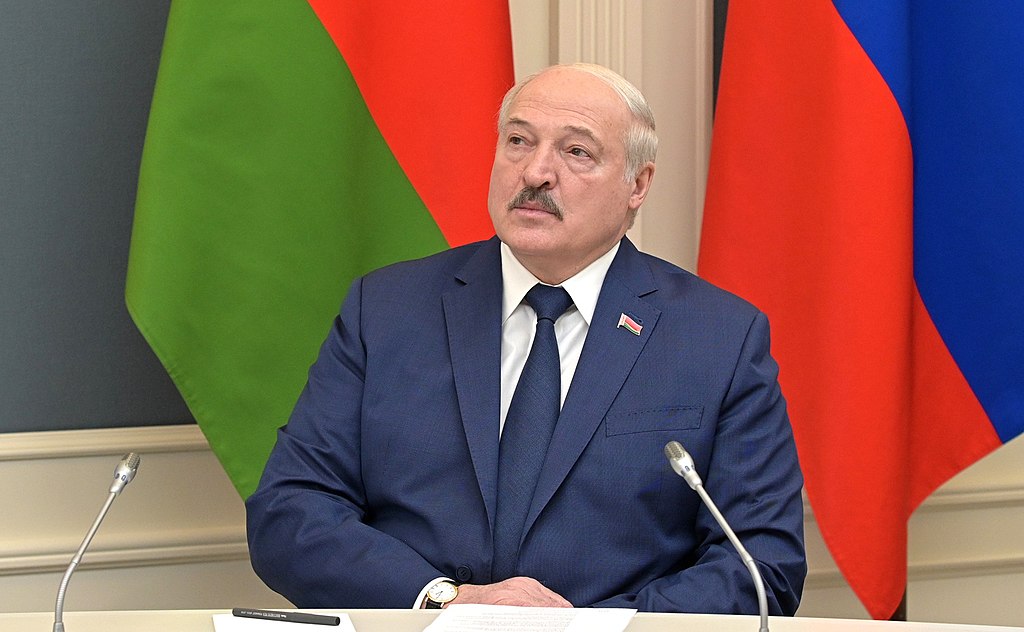
Belarusian President Alexander Lukashenko has released 123 prisoners, including Nobel Peace Prize laureate Ales Bialiatski and prominent opposition leader Maria Kalesnikava, in a major political breakthrough tied to negotiations with the United States. The move came as part of a deal brokered by an envoy of U.S. President Donald Trump, under which Washington agreed to lift sanctions on Belarusian potash exports, a vital sector for the country’s economy and a key component in global fertiliser production.
The mass release marks the largest single freeing of political detainees by Lukashenko since the Trump administration began diplomatic talks with Minsk earlier this year. Belarus, a close ally of Russian President Vladimir Putin, had long been isolated by Western governments due to its violent crackdown on dissent following the disputed 2020 election and its support for Russia’s invasion of Ukraine.
Trump’s envoy, John Coale, told Reuters that negotiations could lead to the release of up to 1,000 remaining political prisoners in the coming months, potentially in one large group. He said that if Belarus were to free all political detainees, most remaining U.S. sanctions could be lifted, calling the arrangement a “fair trade.”
According to officials, nine of the freed prisoners traveled to Lithuania, while 114 were taken to Ukraine. Bialiatski, co-winner of the 2022 Nobel Peace Prize for his long-standing human rights work, appeared visibly aged but relieved as he arrived in Lithuania and reunited with exiled opposition leader Sviatlana Tsikhanouskaya. Speaking to Reuters, he said the broader human rights struggle in Belarus would continue, noting that many people remain imprisoned.
Maria Kalesnikava, a central figure in the 2020 mass protests against Lukashenko, described the moment of freedom as overwhelming joy after years in detention. She was reunited with fellow opposition figures in Ukraine, though some relatives of political prisoners remain behind bars.
U.S. officials say the outreach to Lukashenko is partly aimed at reducing Belarus’s dependence on Moscow. While the exiled Belarusian opposition has welcomed the prisoner releases and credited sanctions for forcing concessions, it continues to urge the European Union to maintain pressure for democratic reforms, accountability, and an end to Belarus’s role in the war in Ukraine.







