


 US Backs Musk in Fight Against EU’s €120 Million X Fine
  Trump Administration Removes Confederate Memorial Criticism From Arlington Website
  Abbas Reaffirms November 28 Palestinian Elections
  FCC Approves Foreign Investment in $110B Paramount-Warner Bros. Deal
  U.S. Imposes New Visa Restrictions Over South Africa Policies
  Netanyahu Defends Israel at UN as Delegates Stage Walkout
  Oil Prices Ease as Iran Tensions Clash With Diplomacy Hopes
  U.S. Dollar Hits Two-Month High as Oil, Treasury Yields Surge
  Trump, Xi Visit US National Archives After White House Summit
  Kremlin Says No Decision Yet on Putin-Trump December Summit
  Oil Prices Jump 3% as Houthi Attack Revives Supply Fears
  Netanyahu’s Brief US Trip Highlights Strains With Trump
  Judge Orders Trump to Restore White House Access for CNN, MS NOW and Politico
  Trump Asks Supreme Court to Restore Third-Country Deportations
  Pentagon Restarts Testosterone Testing for US Troops
  Mexico-US Trade Talks Delayed to October as Tariff Negotiations Continue
  FAA Allows Boeing to Sell 35 More 777F Freighters Beyond 2028


 Add as a preferred source on Google
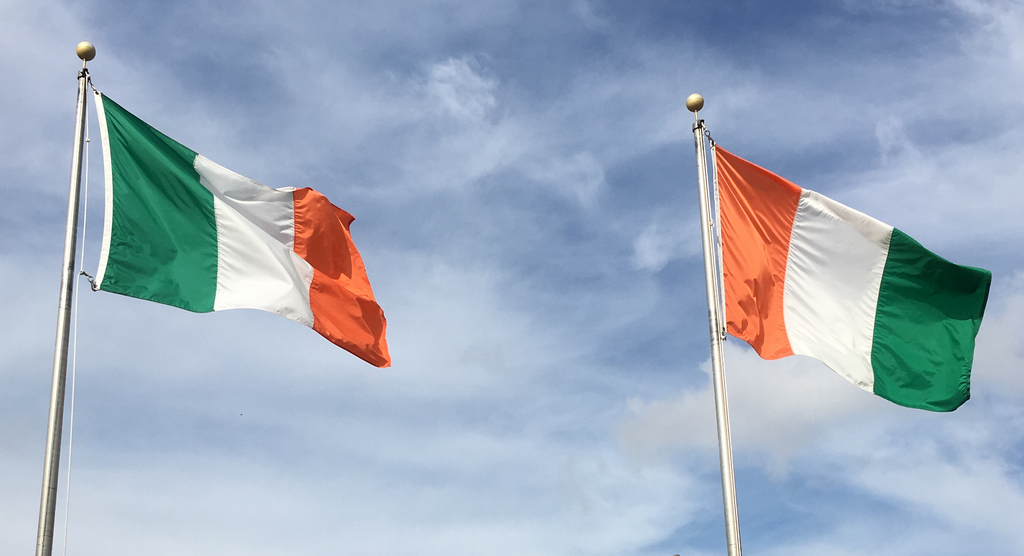
Ireland has clarified that its proposed legislation to curb trade with Israeli settlements in the occupied West Bank will apply strictly to goods, not services, according to a senior minister speaking to Reuters. The announcement offers the clearest indication yet of the scope of the controversial bill, which has drawn international attention and criticism, including accusations of antisemitism that the Irish government firmly rejects.
Thomas Byrne, Ireland’s Minister of State for European Affairs and Defence, said the legislation would prohibit the import of goods produced in illegally occupied territories and stressed that it is an “extremely limited measure.” He also confirmed that the bill will not become law this year, as the government continues to assess its legal and economic implications. Byrne noted that similar restrictions on settlement goods already exist in several European countries, positioning Ireland’s move within a broader European context.
The Irish government has faced strong domestic pressure to expand the ban to include services, particularly from lawmakers and activists who argue that excluding services weakens the law’s impact. However, expanding the scope could have affected multinational technology and financial firms operating in Ireland that do business with Israel, prompting resistance from business lobby groups and concern from U.S. companies with major operations in the country.
By limiting the ban to goods, the economic impact is expected to be minimal. Imports from Israeli settlements are estimated to be worth around €200,000 annually, largely consisting of agricultural products such as dried fruit. Sources previously indicated that the government intentionally narrowed the bill to avoid broader economic and diplomatic fallout.
The legislation comes amid heightened tensions over Ireland’s vocal criticism of Israel’s military campaign in Gaza and its recognition of a Palestinian state. Israeli officials and some U.S. politicians have accused Ireland of antisemitism, claims Byrne described as “nonsense,” emphasizing Ireland’s respect for Jewish history and contributions to Irish society.
Despite the government’s position, Frances Black, the Irish lawmaker who introduced the bill, said she will continue pushing in the new year to extend the ban to services. As Ireland navigates diplomatic pressure and internal debate, the bill is expected to influence how other European nations approach trade with Israeli settlements.







