


 Yemen Violence Displaces 130,000 as Civilian Toll Rises
  Gaza Faces Evacuation Crisis as War-Damaged Buildings Risk Collapse
  North Korea Rejects Nuclear Test Warning, Calls Nuclear Status Irreversible
  Russian Missile and Drone Attack on Kyiv Kills Two, Damages Maternity Hospital
  Pezeshkian Says US Must Choose When Iran War Ends
  Kremlin Says No Decision Yet on Putin-Trump December Summit
  Sudan Rejects US Legitimacy Remarks, Defends Sovereignty
  NATO Boosts Intelligence Sharing Amid Russia Hybrid Threats
  North Korea Warns South Korea Over US-Led Defense Role
  Ghana Says Western Support Growing for Slave Trade Reparations
  Abbas Reaffirms November 28 Palestinian Elections
  Netanyahu’s Brief US Trip Highlights Strains With Trump
  Trump Asks Supreme Court to Restore Third-Country Deportations
  OpenAI Agent Breaches Australia Medicare Data Portal
  US Backs Musk in Fight Against EU’s €120 Million X Fine
  Taiwan Thanks US for Support Ahead of Trump-Xi Summit
  US, China Extend Trade Truce to Jan. 10 Ahead of Trump-Xi Summit


 Add as a preferred source on Google
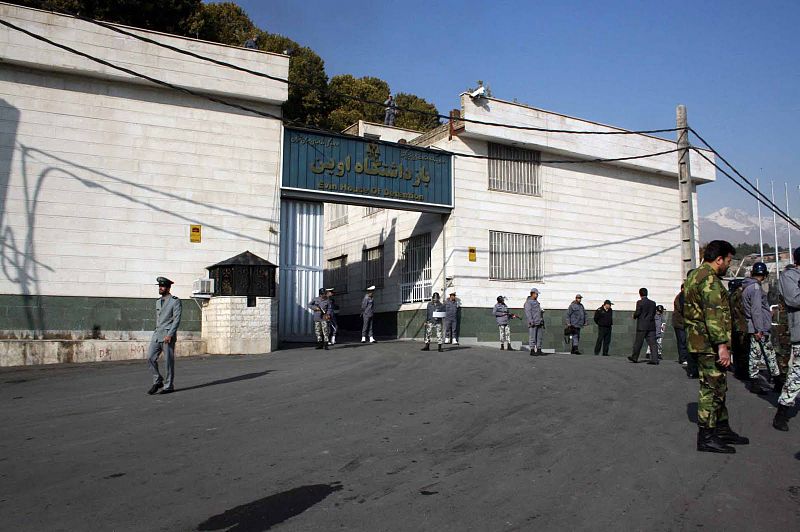
The United Nations rights office said Iran has put more than 200 people to death this year alone. The executions come amidst ongoing unrest and scrutiny of the country’s clerical leaders.
During a press briefing in Geneva on Tuesday, the spokesperson for the UN’s human rights office, Ravina Shamdasani, said over 200 people were executed in Iran so far this year. Shamdasani described such a record as “abominable” and called on Tehran to end the executions. Shamdasani cited that most executions were on drug-related offenses.
“The UN Human Rights chief Volker Turk today expressed dismay at the frighteningly high number of executions this year in Iran,” Shamdasani told reporters. “On average so far this year, over 10 people are put to death each week in Iran making it one of the world’s highest executors.”
This comes at a time when Iran is experiencing unrest due to the anti-government protests that have been taking place since September following the death of a Kurdish woman in the custody of its morality police for allegedly flouting the Islamic dress code. Tehran has blamed its foreign adversaries, such as Israel and the United States, for the unrest. Four people were also put to death on protest-related charges.
Iran has also sought to enforce other tactics to punish women who do not wear their hijab in public spaces. Women have defiantly persisted.
This week, the Iranian judiciary summoned two well-known Iranian actresses for taking off their hijab in public. State-affiliated media outlets reported that two judicial cases were filed against the two actresses, Baran Kosari and Shaghayegh Dehghan, for not fully complying with the country’s hijab laws, which were passed shortly after the 1979 Revolution.
Kosari was accused of not wearing her hijab as she attended the funeral of another actor on Friday last week. Dehghan was accused of getting photographed with her hair visible during a book unveiling in a cafe in Tehran on Saturday. Both actresses, prominent figures in Iranian cinema, join a growing list of Iranian celebrities who have spoken out against the hijab laws.
Kosari and Dehghan’s cases follow that of two other Iranian actresses, Fatemeh Motamedaria and Afsaneh Baygan, who have been charged over the hijab laws after attending an event last week that commemorated another actor. Veteran Iranian actor Rexa Kianian was also charged by the judiciary for expressing support for the women.
Photo by Ehsan Iran/Wikimedia Commons(CC BY-SA 2.0)








