


 Sudan Rejects US Legitimacy Remarks, Defends Sovereignty
  Netanyahu’s Brief US Trip Highlights Strains With Trump
  Judge Orders Trump to Restore White House Access for CNN, MS NOW and Politico
  Russian Envoy Dmitriev Heads to US for Ukraine Talks
  South Korea, US Discuss Warship Building Cooperation
  NATO Boosts Intelligence Sharing Amid Russia Hybrid Threats
  Russian Missile and Drone Attack on Kyiv Kills Two, Damages Maternity Hospital
  France Defends Netanyahu Airspace Clearance Despite ICC Warrant
  US Backs Musk in Fight Against EU’s €120 Million X Fine
  North Korea Rejects Nuclear Test Warning, Calls Nuclear Status Irreversible
  Pezeshkian Says US Must Choose When Iran War Ends
  North Korea Warns South Korea Over US-Led Defense Role
  US Senate Rejects Iran War Powers Resolution in 50-49 Vote
  Gaza Faces Evacuation Crisis as War-Damaged Buildings Risk Collapse
  Netanyahu Defends Israel at UN as Delegates Stage Walkout
  Kremlin Says No Decision Yet on Putin-Trump December Summit
  US Invites Putin to Miami G20, Opening Door to Trump Summit


 Add as a preferred source on Google
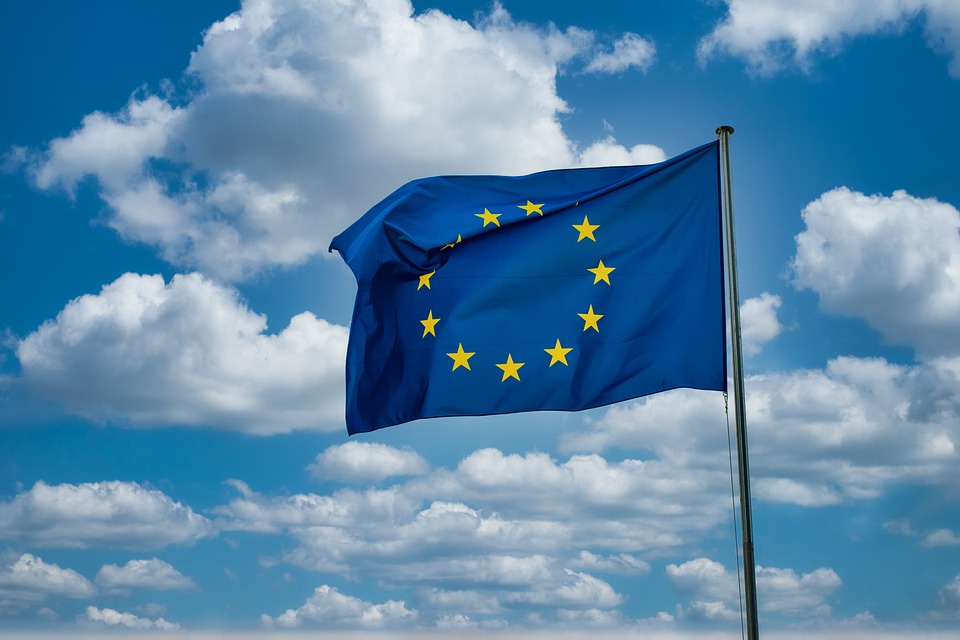
The European Union has imposed a new set of sanctions over the human rights abuses in Iran. The new sanctions target eight individuals and one telecommunications company for assisting in human rights abuses.
The EU Council issued a statement on Monday announcing that it was sanctioning telecommunications company Ariantel, which it said: “contributed to the telecommunications surveillance architecture mapped out by the Iranian government to quash dissent and critical voices in Iran.” The sanctions also target lawmakers in the Iranian Parliament, members of Iran’s Islamic Revolutionary Guard Corps, and the IRGC Cooperative Foundation – the organization in charge of managing the IRGC’s investments.
The latest sanctions by the EU related to Iran total 211 individuals and 35 entities. The sanctions would freeze any assets they hold inside the EU and a travel ban. EU companies are also banned from making funds available to those who are sanctioned.
“The European Union and its member states urge the Iranian authorities to stop any form of violent crackdown against peaceful protests, cease their resort to arbitrary detentions as a means of silencing critical voices, and release all those unjustly detained,” said the statement.
“The EU calls on Iran to end the practice of imposing and carrying out death sentences against protesters, reverse the death penalty sentences pronounced, as well as provide due process to all detainees.”
Iran has been in a state of unrest due to the widespread anti-government protests that have been taking place in the country since September. The protests were triggered by the death of Kurdish woman Mahsa Amini, who died days after she was arrested by the morality police for allegedly flouting the Islamic dress code. Tehran has since tried to blame its foreign adversaries like the United States and Israel for the unrest.
The sanctions by the bloc follow last week’s announcement by the US, imposing a new round of sanctions against Iran, targeting a procurement network accused of supporting Iran’s drone and military programs. This includes suppliers and front offices in Iran, Hong Kong, Malaysia, and China that Washington said enabled the procurement of goods and technology in an effort by the US to target Iran’s drone program.







