


 Kremlin Says No Grounds Yet for Ukraine Peace Talks
  Zelenskiy Warns Russia Preparing Major Attack on Ukraine
  Trump Board of Peace Unveils $2.45 Billion Gaza Recovery Plan
  Lula and Flavio Bolsonaro Tied in Brazil Runoff Poll
  US Invites Putin to Miami G20, Opening Door to Trump Summit
  Trump to Press Xi on Release of US Nuclear Expert Held in China
  Russian Strikes Kill Eight Across Ukraine as Energy Sites Hit
  US, China Extend Trade Truce to Jan. 10 Ahead of Trump-Xi Summit
  Russian Envoy Dmitriev Heads to US for Ukraine Talks
  Gaza Faces Evacuation Crisis as War-Damaged Buildings Risk Collapse
  Ghana Says Western Support Growing for Slave Trade Reparations
  Burnham Eyes UK Leadership Role in AI Ahead of Trump Meeting
  US Officials Split Over Response to Israeli West Bank Settlements
  Trump Says ‘Freedom’ Is Coming to Cuba
  Taiwan Vows to Advance US Arms Sales Ahead of Trump-Xi Meeting
  Macron, Trump Discuss Ukraine-Russia Energy Strike Moratorium
  Venezuela Promises Elections as Delcy Rodriguez Pledges Democratic Transition


 Add as a preferred source on Google
The war in Ukraine and the recent protests have stalled the long-running negotiations between Iran and other world powers to restore the 2015 nuclear agreement. The foreign policy chiefs of Tehran and the European Union have recently indicated that talks to restore the agreement will continue despite strained relations.
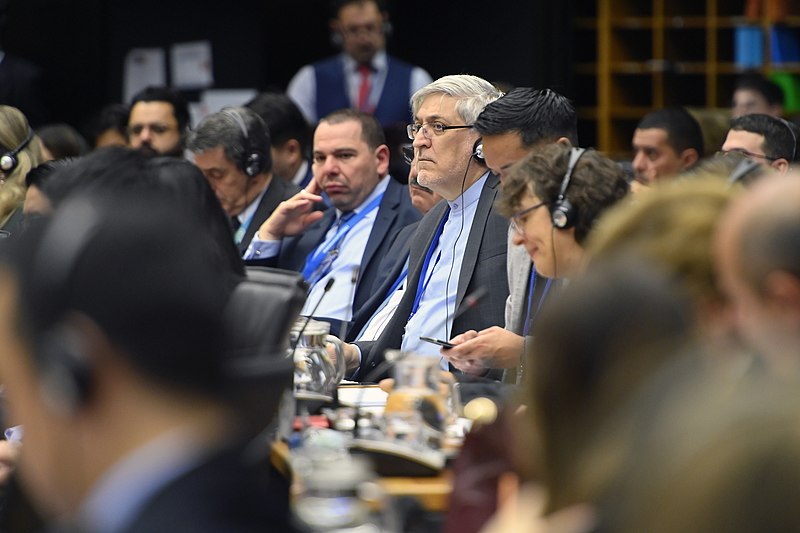
Iran’s foreign minister Hossein Amirabdollahian and the EU’s foreign policy chief Josep Borrell met on the sidelines of the second meeting of the Baghdad Conference for Cooperation and Partnership in Jordan on Tuesday. Both representatives have signaled that work to restore the nuclear deal will continue despite strained relations between Iran and the bloc.
Iran’s top nuclear negotiator Ali Bagheri Kani and the bloc’s coordinator, Enrique Mora, were also present during the meeting. Following the meeting, Borrell said that it was important that talks on the nuclear deal, formally known as the Joint Comprehensive Plan of Action, continue even as relations between Iran and the EU are “deteriorating.”
“Stressed need to stop military support to Russia and internal repression in Iran,” tweeted Borrell. “Agreed we must keep communication open and restore JCPOA on basis of Vienna negotiations.”
The Iranian foreign ministry said following the meeting that Amirabdollahian told Borrell that Tehran is ready to finalize the nuclear talks on a draft that followed months of “difficult and intensive negotiations.” This is likely referring to the draft the EU proposed back in August.
Talks to restore the JCPOA hit a deadlock in early September when Western officials said Iran had demands that went beyond the deal. Tehran has denied the claims. Progress appeared even more unlikely following the ongoing protests, as well as the sanctions imposed by the EU and the United States on Iran over allegations that it was supplying Russia with drones to use in its war in Ukraine.
Iran has also issued retaliatory sanctions on the US and the nuclear deal’s other co-signatories, such as the United Kingdom, France, and Germany, blaming them for the unrest. The latest sanctions Iran issued in response were also over the assassination of top Iranian commander Qassem Soleimani, as well as over involvement in “manufacturing” chemical weapons that were used by Saddam Hussein during the Iran-Iraq war in the 1980s.







