


 Zelenskiy Warns Russia Preparing Major Attack on Ukraine
  Trump Administration Plans Faster FDA Reviews for Smoke-Free Nicotine Products
  US, China Extend Trade Truce to Jan. 10 Ahead of Trump-Xi Summit
  Ghana Says Western Support Growing for Slave Trade Reparations
  Russian Strikes Kill Eight Across Ukraine as Energy Sites Hit
  Macron, Trump Discuss Ukraine-Russia Energy Strike Moratorium
  Trump Says U.S.-Iran Peace Deal Near After UN Talks
  Vietnam, US Trade Deal Could Be Signed Soon, To Lam Says
  Gaza Faces Evacuation Crisis as War-Damaged Buildings Risk Collapse
  Russian Envoy Dmitriev Heads to US for Ukraine Talks
  Trump Meets Venezuela’s Delcy Rodriguez at UN Assembly
  Venezuela Promises Elections as Delcy Rodriguez Pledges Democratic Transition
  South Korea, US Discuss Warship Building Cooperation
  US Invites Putin to Miami G20, Opening Door to Trump Summit
  Burnham Eyes UK Leadership Role in AI Ahead of Trump Meeting
  Marco Rubio to Meet Russia’s Lavrov in New York
  Trump to Press Xi on Release of US Nuclear Expert Held in China


 Add as a preferred source on Google
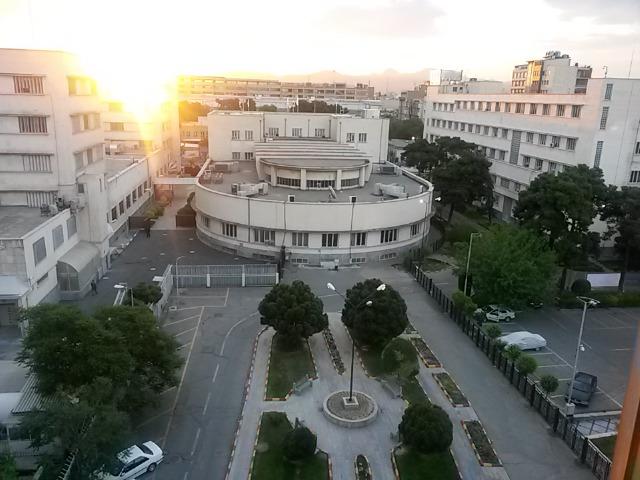
The governor of Iran’s central bank blamed the ongoing protests for the record low of the country’s currency. The governor also noted other factors, such as sanctions imposed on the country, as a reason for the record lows.
On Saturday, the Central Bank of the Islamic Republic of Iran’s governor Ali Salehabadi said that the ongoing protests, paired with US sanctions, would be the reasons for the Iranian currency’s fall to record lows. Salehabadi, however, added that dollars could be injected into the market in order to boost the currency.
“To make adjustments in the market, we in the Central Bank will act both as a market-maker and as a hard currency policy-maker,” said Salehabadi on state television. “Whichever hard currency is more in demand, we will offer that.”
The Iranian rial lost nearly 20 percent of its value since the start of the nationwide protests. This is compared to its value in 2018, when the rial was trading at around 65,000 per US dollar before Washington withdrew the US from the 2015 nuclear deal and reimposed sanctions on Iran instead.
The nationwide protests erupted in September following the death of Kurdish-Iranian woman Mahsa Amini. Amini died in the custody of the morality police after she was arrested for allegedly violating the Islamic Republic’s dress code that is imposed on women.
The protests also marked the biggest challenges to Iran’s clerical rulers since the 1979 Revolution and have now been joined by protests of oil workers demanding higher wages on Saturday.
Tehran has sought to blame the protests on the Islamic Republic’s adversaries, such as the United States.
The demonstrations by groups of oil workers on the same day took place in southern Iran, demanding higher salaries and retirement bonuses, according to videos and accounts of the protests shared on social media. The activist HRANA news outlet said a group of oil workers staged protests outside the Pars Oil and Gas Company in Asaluyeh in the southern Iranian province of Bushehr.
The workers also demanded the removal of high-income taxes, a salary cap, improved welfare services and health conditions. Oil workers were also staging demonstrations in Tang-e-Bijar in western Iran, Gonabad in the northeast, and protests by firefighters at the Gulf Island of Kharg, which is where the country’s main export terminal is located.







