


 Iran Vows ‘Crushing’ Response as US Talks Continue
  Trump Board of Peace Unveils $2.45 Billion Gaza Recovery Plan
  CNN, MS NOW and Politico Sue Trump Over White House Media Ban
  US, Japan and South Korea Back Taiwan Ahead of Trump-Xi Summit
  Trump Administration Prepares Sanctions Against Entire ICC
  Paramount-Warner Bros $110 Billion Deal Draws Antitrust Backlash
  Trump Scales Back Endangered Species Act Protections
  Scott Bessent Eyed as Trump’s New AI Czar
  Lula and Flavio Bolsonaro Tied in Brazil Runoff Poll
  Zelenskiy Meets CIA Chief John Ratcliffe at Ireland’s Shannon Airport
  Macron, Trump Discuss Ukraine-Russia Energy Strike Moratorium
  Trump Says ‘Freedom’ Is Coming to Cuba
  US Plans Two New Military Bases in Greenland Under Arctic Deal
  Carney Condemns Belleville Synagogue Shooting That Wounded Police Officer
  Kremlin Says No Grounds Yet for Ukraine Peace Talks
  Russian Strikes Kill Eight Across Ukraine as Energy Sites Hit
  US, Denmark and Greenland Set to Sign Arctic Security Deal


 Add as a preferred source on Google
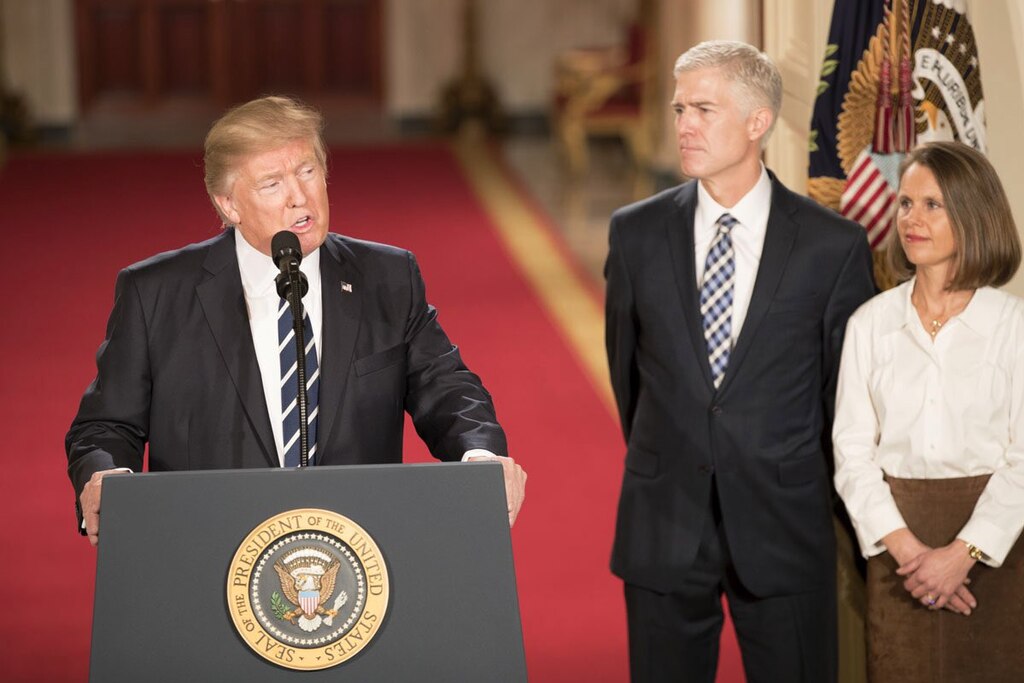
President-elect Donald Trump has unveiled his proposed 2025 federal budget, outlining sweeping changes to discretionary spending and entitlements. The $6.5 trillion blueprint promises significant reductions in social welfare programs, coupled with increased funding for defense and infrastructure projects. Critics argue the plan prioritizes tax cuts for the wealthy over investments in the nation’s most vulnerable populations.
Key Spending Shifts: Defense and Infrastructure Dominate
At the heart of Trump’s 2025 budget is a 12% increase in defense spending, bringing the Pentagon’s allocation to nearly $900 billion. The proposal includes expanded investments in advanced missile systems, cybersecurity, and military readiness programs, which the administration claims are necessary to counter global threats.
Additionally, the budget allocates $300 billion for a nationwide infrastructure overhaul. This includes investments in bridges, highways, and rural broadband expansion, aimed at revitalizing aging systems and creating jobs. The administration projects these initiatives will generate millions of employment opportunities over the next decade.
“We are building a stronger America by prioritizing security and economic growth,” Trump stated during a press conference unveiling the budget.
Controversial Cuts to Social Programs
However, the budget slashes funding for Medicaid, food assistance programs, and housing subsidies. The Supplemental Nutrition Assistance Program (SNAP) faces a proposed 28% reduction, while Medicaid spending could decline by $200 billion over the next five years.
These cuts have drawn sharp criticism from advocacy groups and Democratic lawmakers, who warn of devastating consequences for low-income families and the elderly. The Center on Budget and Policy Priorities estimates that the proposed reductions could leave millions without access to basic healthcare and food security.
Education funding is also under scrutiny, with a proposed $10 billion reduction in federal student aid programs. Critics argue this move could exacerbate the student debt crisis and hinder access to higher education for low-income students.
“This budget is a direct attack on working families,” said Senator Elizabeth Warren. “It sacrifices their well-being to fund giveaways for the wealthiest Americans and corporations.”
Public Reactions on Social Media
The proposed budget has ignited a firestorm on social media, with users weighing in on its implications:
- @BudgetWatchdog: “Defense spending up, healthcare down. This budget is a moral failure. #TrumpBudget2025”
- @RealMAGAJohn: “Finally, a president who understands fiscal responsibility. Cut the waste and invest in America!”
- @CareForAll: “Cutting Medicaid and SNAP during an economic downturn? This is a death sentence for the vulnerable.”
- @DefenseFirst2025: “National security should always be our top priority. The defense budget is long overdue for a boost.”
- @StudentDebtSOS: “Education is the key to a better future, but Trump’s budget slams the door shut on students.”
- @RuralRevive: “The infrastructure plan sounds promising, but why does it come at the expense of healthcare?”
Implications for 2025 and Beyond
While Trump’s allies tout the budget as a blueprint for fiscal discipline and economic growth, critics warn of widening inequality and harm to vulnerable communities. As the budget moves to Congress for review, lawmakers face intense pressure to address public outcry and balance competing priorities.
The 2025 budget underscores Trump’s vision for his second term: bolstering defense, driving infrastructure growth, and curtailing federal spending. However, the debate surrounding its impact on everyday Americans remains heated and unresolved.







