


 UK Home Asking Prices Rise for First Time Since May
  Iran Vows ‘Crushing’ Response as US Talks Continue
  CNN, MS NOW and Politico Sue Trump Over White House Media Ban
  Gold Prices Slip as Strong Dollar and Hawkish Fed Pressure Bullion
  Gold Prices Rise as Oil Slump Eases Fed Rate Hike Fears
  UK, Mauritius Seek Diego Garcia Base Deal
  Asian Currencies Muted as Dollar Firms Ahead of Trump-Xi Summit
  Zelenskiy Meets CIA Chief John Ratcliffe at Ireland’s Shannon Airport
  US, Japan and South Korea Back Taiwan Ahead of Trump-Xi Summit
  Oil Prices Tumble on U.S.-Iran Diplomacy Hopes, Supply Relief
  Asian Stocks Mixed Ahead of Trump-Xi Meeting
  Carney Condemns Belleville Synagogue Shooting That Wounded Police Officer
  Trump Administration Prepares Sanctions Against Entire ICC
  South Korea to Brief Lawmakers on $350 Billion US Investment Package
  Trump Board of Peace Unveils $2.45 Billion Gaza Recovery Plan
  Paramount-Warner Bros $110 Billion Deal Draws Antitrust Backlash


 Add as a preferred source on Google
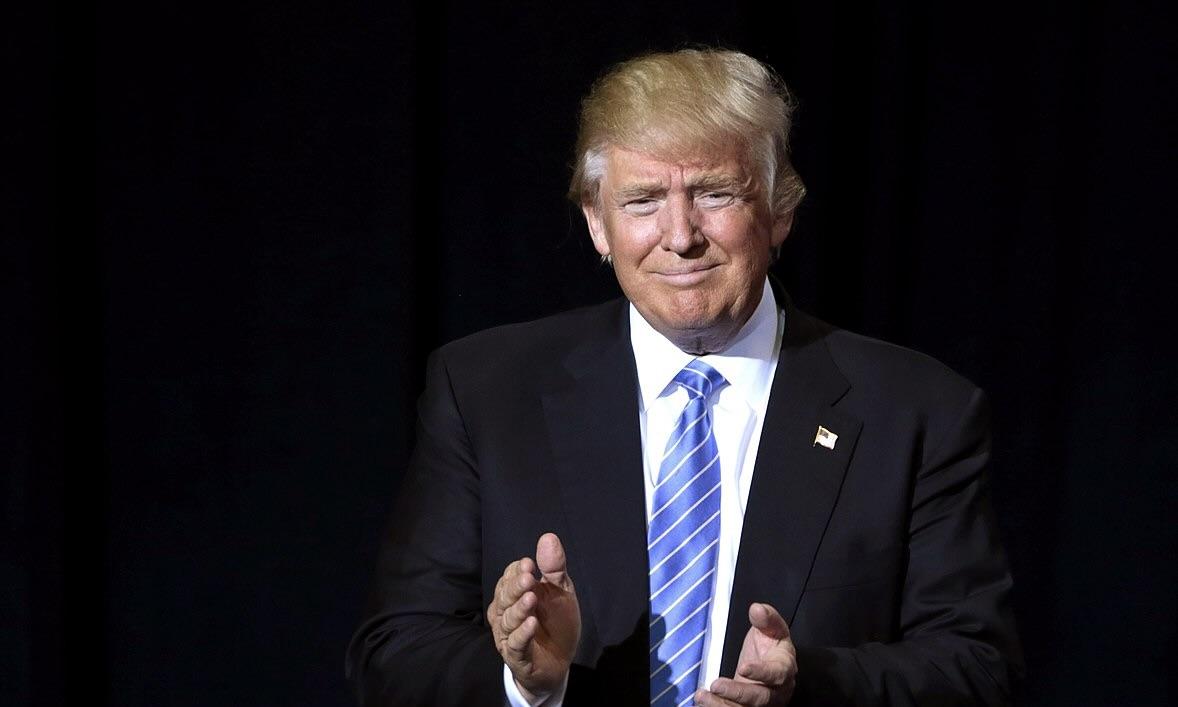
In 2025, President-elect Donald Trump’s policies are reshaping the U.S. dollar’s global position, sparking concerns among financial analysts and international markets. While Trump’s administration aims to boost domestic manufacturing through aggressive trade tariffs and deregulation, critics argue that these measures could destabilize the dollar's value and diminish its role as the world’s reserve currency.
Trump’s proposed 60% tariffs on Chinese imports and a 25% levy on goods from Mexico and Europe have triggered fears of retaliatory trade wars. Economists warn that these tariffs could drive up costs for American consumers while straining diplomatic relations. Furthermore, speculation about Trump’s interest in returning to a gold standard—a move he has alluded to during speeches—has added uncertainty to the dollar’s long-term stability.
“Currency markets are closely monitoring the Trump administration’s policies,” said Mark Zandi, chief economist at Moody’s Analytics. “The U.S. dollar’s strength depends on investor confidence, and any misstep could have lasting repercussions.”
A Volatile Start to 2025 for the U.S. Dollar
Since the start of the year, the dollar’s value has experienced increased volatility. The U.S. Dollar Index (DXY), which measures the greenback against a basket of six major currencies, has dropped by 3% in response to Trump’s tariff announcements. Analysts believe this decline reflects concerns over reduced foreign investment and global trade friction.
In contrast, the euro and the Chinese yuan have gained ground as central banks diversify their reserves. For instance, the People’s Bank of China has increased yuan-based trade settlements, signaling a strategic move to challenge the dollar’s dominance in international markets.
Meanwhile, Trump’s domestic spending plans, including a $300 billion infrastructure initiative, have raised concerns about the national debt, which now exceeds $36 trillion. Critics argue that increased borrowing could erode confidence in the dollar and further weaken its value.
Public and Market Reactions to Trump’s Policies
Reactions on social media highlight the public’s divided opinion on Trump’s economic strategies:
- @FinanceWatchdog: “Trump’s tariff war is putting the dollar at risk. How long can this unsustainable path continue?”
- @RealMAGAJohn: “The U.S. dollar will bounce back stronger than ever. America first means a resilient currency! #Trump2025”
- @GlobalEconomist: “Currency markets don’t lie. The dollar’s decline is a direct response to Trump’s reckless policies.”
- @TradeWins2025: “Retaliatory tariffs from Europe and China will only worsen the situation for U.S. exporters. A disaster in the making.”
- @EconomicPatriot: “Finally, someone is standing up to China. Short-term pain for long-term gain. Stay the course, Mr. President!”
- @DollarDoubt: “Returning to the gold standard in 2025? This is absurd and will destabilize the global economy.”
What Lies Ahead for the Dollar?
While Trump’s policies aim to strengthen the domestic economy, they come at a potential cost to the dollar’s international standing. Economists predict further volatility in the currency markets as investors weigh the implications of rising trade tensions and increased federal spending.
The Federal Reserve’s upcoming interest rate decisions will also play a crucial role in shaping the dollar’s trajectory. If inflation rises due to tariffs and fiscal spending, the Fed may be forced to adopt a more aggressive monetary stance, potentially adding to the dollar’s instability.
As Trump’s second term unfolds, the global financial community will closely monitor the administration’s policies and their impact on the dollar’s value. Whether these measures bolster the economy or lead to long-term consequences remains uncertain.







