


 Trump Orders Probe Into Pentagon Munitions Stockpile Leaks After Iran Conflict
  Colombia President Abelardo De La Espriella Pledges Drug Crackdown, Economic Reforms
  Russian Strikes Kill Six in Eastern and Northern Ukraine, Dozens Injured
  New Zealand MMP Electoral System Faces Fresh Referendum Debate
  Bezalel Smotrich Faces Election Battle as Israel’s Far-Right Vote Fractures
  Taiwan Tests Penghu Defense, Mobile Internet Limits in War Drills
  Ukraine Agrees to Protect Kazakhstan Oil Exports via Black Sea
  Russia Intensifies Drone and Bomb Attacks on Ukraine’s Zaporizhzhia, Deepening Civilian Fear
  Trump Administration Plans $1 Billion Security Aid Package for Colombia
  Russian Strikes on Ukraine Kill Six, Wound Dozens in Balakliia and Sumy
  Senate Majority Leader John Thune Moves to Advance Crypto Clarity Act
  Canada, US Hold Constructive Trade Talks as Tariff Negotiations Continue
  Myanmar Rejects ASEAN Special Envoy, Challenges Regional Peace Plan
  Taiwan President Lai Oversees Coastal Strike Drills in Han Kuang War Games
  SEC Moves to Dismiss Insider Trading Case Against Trump-Pardoned Terren Peizer
  North Korea May Deploy 120 Missiles to Russia


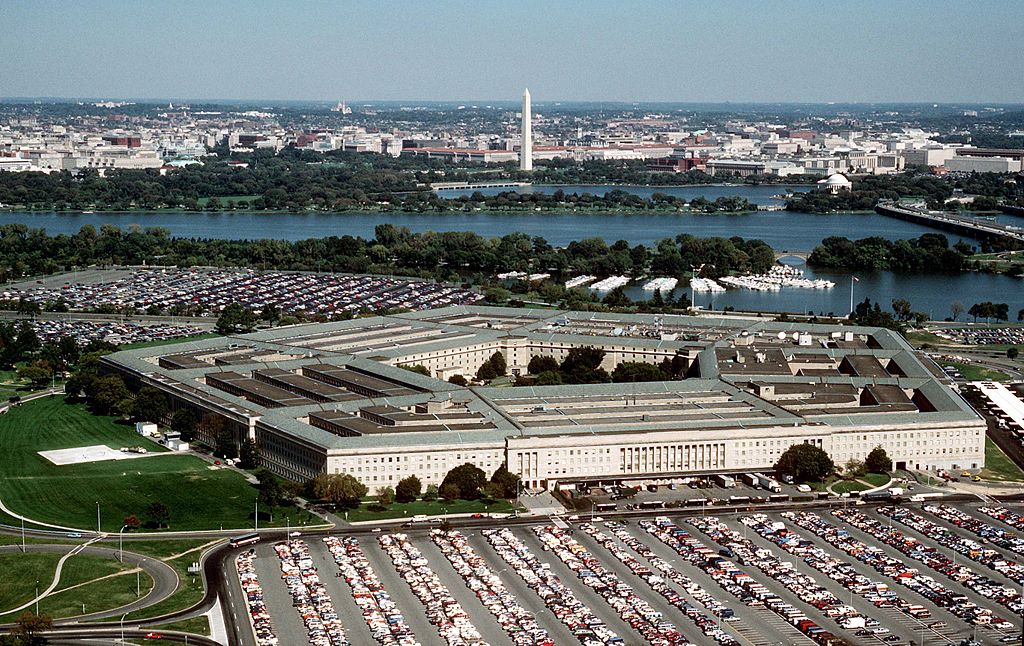
The United States remains firmly committed to the Indo-Pacific and has no plans to withdraw from Asia, a senior Pentagon official said Monday, while urging regional allies to take greater responsibility for their own defense.
Speaking in Manila, U.S. Undersecretary of Defense for Policy Elbridge Colby said Washington is strengthening its position in Asia to preserve a favorable balance of power and reinforce regional deterrence.
“America is definitely not disengaging from Asia,” Colby said, adding that the United States is “digging in” rather than leaving the region.
Colby’s comments come amid questions about the reliability of U.S. security commitments in Asia. He emphasized that Washington wants stronger defense partnerships in which allies contribute more to their own security instead of relying primarily on American military capabilities.
The Philippines, the United States’ oldest treaty ally in Asia, is the first destination on Colby’s Southeast Asia tour. His trip also includes stops in Indonesia, Thailand and Cambodia.
According to Colby, maintaining stability in the Indo-Pacific will require what he described as “deterrence by denial” along the First Island Chain. The strategically important area stretches from Japan through Taiwan and the Philippines toward Borneo.
The approach is intended to make potential military aggression difficult to carry out successfully, supported by a growing U.S. military presence and stronger capabilities among regional partners.
However, Colby stressed that the strategy cannot depend on U.S. forces alone. Washington expects allies and partners to increase defense investment and develop greater capacity to protect their sovereignty.
He argued that calls for higher defense spending should not be interpreted as a sign that the United States is abandoning its allies. Instead, the Pentagon is seeking relationships based on shared responsibility.
“We are looking for partners, not protectorates,” Colby said.
The message highlights the U.S. Indo-Pacific strategy of combining a sustained American military commitment with increased defense burden-sharing among allies. Washington believes stronger regional partners will improve deterrence and help maintain the balance of power across the Indo-Pacific.







