


 Iran Strait of Hormuz Tensions Rise After Ship Attack Delays IMO Escort Mission
  Japan Signals Preference for Low Interest Rates as BOJ Policy Debate Intensifies
  ICC Judges Sue Trump Administration Over Sanctions, Calling Measures Unlawful
  Crimea Power Outage After Ukrainian Drone Attack, Russian Authorities Say
  US Senate Approves War Powers Resolution Urging Trump to End Iran Military Action
  Cait Conley Wins Democratic Nomination, Sets Up Key House Battle Against Mike Lawler in New York
  US Supreme Court Strikes Down Hawaii Gun Carry Law on Private Property
  Israel Heritage Bill Sparks Annexation Concerns in West Bank
  Marco Rubio Seeks Gulf Support for U.S.-Iran Peace Deal Amid Regional Concerns
  U.S. Reviewing Potential F-35 Fighter Jet Sale to Turkey Amid S-400 Dispute
  Iran Attack in Strait of Hormuz Pushes Oil Prices Higher
  Trump Requests $11 Billion More in Farm Aid as Rising Costs Pressure U.S. Farmers
  Russia Signals Frustration Over Unfulfilled U.S. Commitments After Alaska Summit
  US Approves $250 Million Fighter Jet Training Sale to Australia
  Young Brazilian Voters Shift Right Ahead of 2026 Election
  Peru Election Dispute Deepens as Roberto Sanchez Rejects Runoff Results
  U.S. Eases Iran Team Travel Restrictions Ahead of Seattle World Cup Match


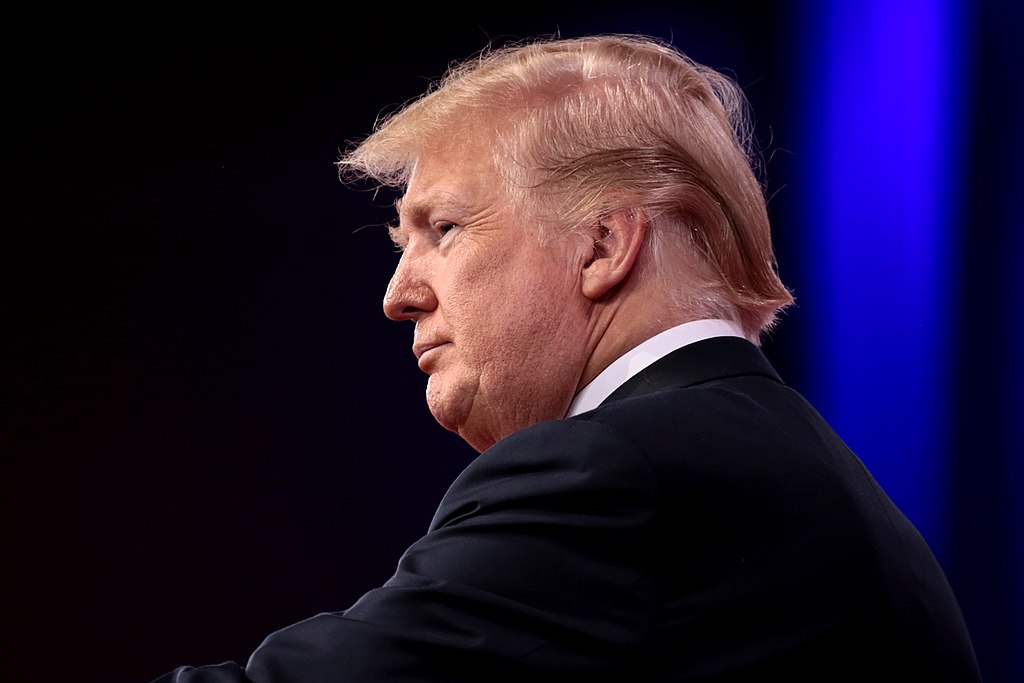
President Donald Trump has unveiled a bold strategy to counter cybersecurity threats from Russia in 2025. Amid escalating concerns over state-sponsored cyberattacks, his administration aims to bolster U.S. cyber defenses, enhance international cooperation, and hold foreign adversaries accountable.
Strengthening Cyber Defense Systems
A cornerstone of Trump’s cybersecurity strategy is modernizing America’s digital infrastructure. His administration has committed to significant investments in advanced cyber technologies, focusing on artificial intelligence and machine learning to detect and neutralize threats in real-time. The Department of Homeland Security (DHS) will oversee the creation of a centralized Cyber Command Center to coordinate responses to potential breaches.
Additionally, the administration has introduced stricter cybersecurity requirements for critical infrastructure sectors, including energy, finance, and healthcare. These measures aim to prevent the kind of large-scale attacks that previously disrupted pipelines and hospital systems.
Critics, however, question whether these efforts are enough to combat sophisticated actors like Russia. Cybersecurity experts warn that while improving defense systems is crucial, offensive measures may also be necessary to deter future attacks.
Targeting Russian Cyber Operations
Trump’s policy also focuses on addressing the root of the issue: state-sponsored cybercrime. The administration has announced new sanctions against individuals and organizations linked to Russian cyberattacks. These penalties target assets, travel rights, and international dealings of those accused of undermining U.S. cybersecurity.
Furthermore, Trump has called for an international coalition to combat cybercrime, urging NATO allies to collaborate on intelligence-sharing and joint countermeasures. His administration has also pledged to ramp up cyber investigations, working closely with the FBI and NSA to trace the origins of attacks.
While some applaud these measures, others argue that sanctions alone are insufficient. Critics emphasize the need for diplomatic negotiations to address tensions and reduce the risk of cyber warfare escalating into broader conflicts.
Public Reactions: Praise, Concerns, and Skepticism
Trump’s cybersecurity strategy has sparked significant debate on social media. Reactions vary widely, highlighting the polarized nature of the discussion:
- @CyberWarrior2025: “Finally, a president taking Russian cyber threats seriously. Let’s see if this plan actually works!”
- @PrivacyGuardUSA: “More sanctions? Russia doesn’t care. We need offensive cyber capabilities to hit them where it hurts.”
- @TechInsiderBuzz: “A centralized Cyber Command is a great idea, but will it have the funding it needs?”
- @WorldPeaceNow: “Cyberattacks won’t stop until global diplomacy improves. Sanctions and tech won’t fix everything.”
- @DataDefenseFan: “AI-driven cybersecurity is the future. Glad to see the U.S. investing in cutting-edge solutions.”
- @CriticAlert: “Trump’s plan is full of promises, but where’s the accountability? Show us the results.”







