


 U.S. Reviewing Potential F-35 Fighter Jet Sale to Turkey Amid S-400 Dispute
  Iran Strait of Hormuz Tensions Rise After Ship Attack Delays IMO Escort Mission
  Crimea Power Outage After Ukrainian Drone Attack, Russian Authorities Say
  Peru Election Dispute Deepens as Roberto Sanchez Rejects Runoff Results
  Japan Signals Preference for Low Interest Rates as BOJ Policy Debate Intensifies
  White House Seeks $1.4 Billion to Combat Growing Ebola Outbreak
  NATO Chief Tries to Ease Trump Alliance Dispute
  US Supreme Court Strikes Down Hawaii Gun Carry Law on Private Property
  ICC Judges Sue Trump Administration Over Sanctions, Calling Measures Unlawful
  Marco Rubio Seeks Gulf Support for U.S.-Iran Peace Deal Amid Regional Concerns
  Pelosi Discloses Major Intel and Uber Call Option Purchases Worth Up to $6 Million
  Young Brazilian Voters Shift Right Ahead of 2026 Election
  Iran Attack in Strait of Hormuz Pushes Oil Prices Higher
  Trump Orders DOJ Investigation Into Exxon, Chevron Over High Gas Prices
  Trump Administration Rejects Claims of Rift Between JD Vance and Marco Rubio on Iran Policy
  US Senate Approves War Powers Resolution Urging Trump to End Iran Military Action


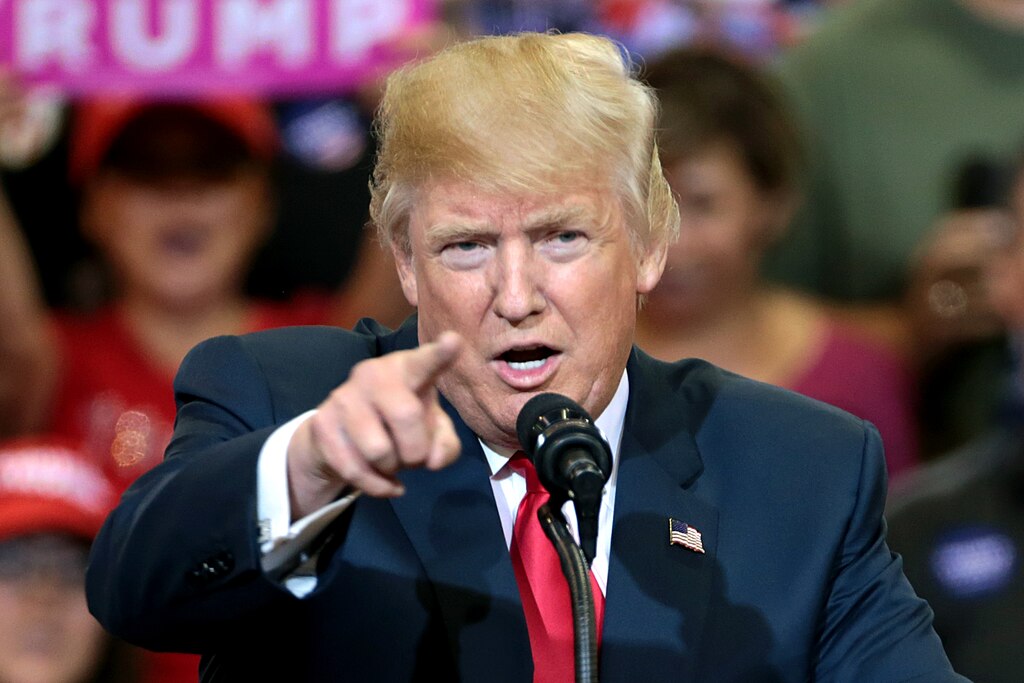
As President Donald Trump’s administration enters its second term, improving U.S. ports and logistics infrastructure has emerged as a key policy focus. Trump’s strategies aim to modernize aging infrastructure, enhance efficiency, and secure America’s position in global trade amidst growing international competition.
Investing in Port Infrastructure and Technology
Trump’s plan includes a significant increase in federal investment for modernizing port facilities, with a particular emphasis on automation and technological upgrades. The administration has proposed funding initiatives to expand container-handling capacities, improve dredging operations, and adopt smart technologies such as AI-driven logistics platforms.
According to White House officials, these measures aim to alleviate bottlenecks that have plagued U.S. ports in recent years, contributing to delays in shipping and rising costs for businesses. By integrating advanced tracking systems and data analytics, the administration hopes to streamline cargo movement and reduce processing times at major ports like Los Angeles, Long Beach, and Savannah.
However, critics argue that automation efforts could displace port workers, exacerbating unemployment in communities reliant on these jobs. Unions have voiced concerns over the lack of guarantees for job protections, demanding more transparency and inclusion in planning discussions.
Strengthening Supply Chain Resilience
In addition to infrastructure upgrades, Trump’s logistics strategy focuses on strengthening supply chain resilience against disruptions. The administration plans to incentivize private-sector investments in domestic manufacturing and warehousing facilities to reduce dependency on foreign suppliers.
The proposed policies include tax breaks for companies that onshore production and stockpile critical goods within U.S. borders. Additionally, the administration is negotiating partnerships with state governments to develop regional logistics hubs aimed at optimizing freight movement and reducing transportation costs.
While these measures have been praised for their potential to bolster economic security, some industry experts caution that the timeline for implementation may be overly ambitious. Critics also highlight the absence of clear funding mechanisms for large-scale projects, questioning whether the administration’s promises will translate into tangible results.
Public Reaction: Praise, Criticism, and Skepticism
Trump’s proposed logistics strategies have sparked a lively debate on social media, with opinions ranging from strong support to outright skepticism:
- @LogisticsExpert2025: “Finally! Ports have been a mess for years. Glad to see Trump prioritizing infrastructure improvements!”
- @UnionVoiceUSA: “Automation is code for job cuts. Trump’s plan threatens hardworking Americans in port communities!”
- @SupplyChainGuru: “Tax breaks for domestic production are a step in the right direction. But will it be enough?”
- @SmallBizOwner: “Faster shipping means lower costs for small businesses. Hope this plan delivers what it promises.”
- @CriticWatch2025: “Big talk, no clear funding. We’ve heard these promises before. Where’s the accountability?”
- @TradePolicyFan: “Strong ports mean strong trade. Let’s hope Trump sticks to these plans and gets them done!”







