


 U.S. Reviewing Potential F-35 Fighter Jet Sale to Turkey Amid S-400 Dispute
  Marco Rubio Reassures Gulf Allies Over U.S.-Iran Peace Deal
  Republican Lawmaker Introduces AI Incident Reporting Bill to Strengthen U.S. AI Safety
  US Reaffirms Taiwan Arms Sales Policy Despite Trump’s Comments on China
  US Supreme Court Strikes Down Hawaii Gun Carry Law on Private Property
  Young Brazilian Voters Shift Right Ahead of 2026 Election
  Johns Hopkins University Lays Off 110 Employees as Federal Research Funding Declines
  US Urges States and Businesses to Strengthen Taiwan Ties Amid China Pressure
  ICC Judges Sue Trump Administration Over Sanctions, Calling Measures Unlawful
  Bessent Says U.S. Must Strengthen Supply Chains and Economic Security
  Trump Administration Rejects Claims of Rift Between JD Vance and Marco Rubio on Iran Policy
  White House Seeks $87.6 Billion Emergency Funding for Iran War, Farmers, and Ebola Response
  U.S. Eases Iran Team Travel Restrictions Ahead of Seattle World Cup Match
  Japan Signals Preference for Low Interest Rates as BOJ Policy Debate Intensifies
  US Senate Approves War Powers Resolution Urging Trump to End Iran Military Action


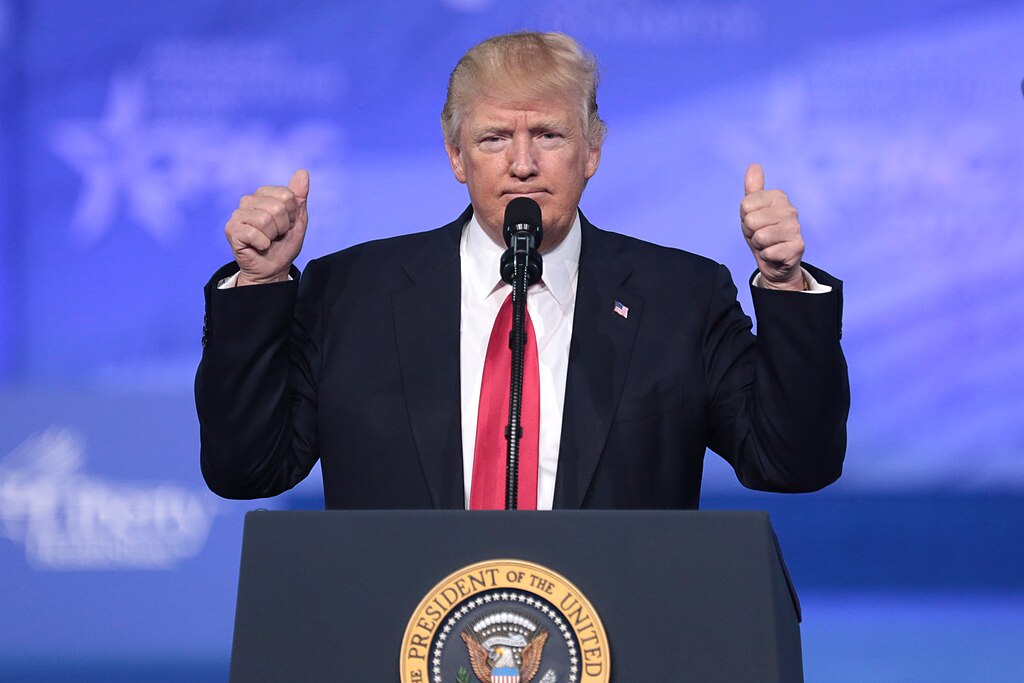
President-elect Donald Trump has unveiled his 2025 strategy for rebuilding areas devastated by hurricanes, promising a robust federal response to repair critical infrastructure and restore livelihoods. With the increasing frequency of severe storms, the Trump administration faces mounting pressure to demonstrate its ability to address disaster recovery comprehensively and equitably.
Federal Investments in Infrastructure and Housing
Central to Trump’s plan is an ambitious proposal to allocate federal funding for rebuilding hurricane-damaged infrastructure, including roads, bridges, and public utilities. The administration aims to prioritize the most severely impacted areas while ensuring resilient construction to withstand future storms. A senior White House official noted that the strategy focuses on long-term durability rather than short-term fixes.
Additionally, Trump’s plan includes substantial investments in affordable housing for displaced residents. The Federal Emergency Management Agency (FEMA) has been directed to expedite assistance for temporary shelters while coordinating with state governments to rebuild permanent housing. Critics, however, argue that past delays in FEMA’s response raise questions about the agency’s ability to deliver on these promises efficiently.
Despite the administration’s assurances, some community advocates have raised concerns about equitable distribution of funds. Historically, underserved areas have faced slower recovery efforts, and advocates are calling for transparent allocation processes to ensure that vulnerable populations are not left behind.
Strengthening Community Preparedness
Beyond immediate recovery, Trump’s hurricane response plan emphasizes proactive measures to enhance community preparedness. Proposed initiatives include federal grants to support local emergency planning and investments in early warning systems to minimize loss of life during disasters. The administration has also pledged to collaborate with private sector partners to bolster the supply chain for critical resources such as food, water, and medical supplies.
While many experts praise the focus on preparedness, skeptics warn that execution will be key. “Investing in preparedness is essential, but it won’t matter without proper implementation,” said a disaster recovery expert. Transparency and inter-agency coordination are viewed as vital to the success of these initiatives.
Public Reactions: Support and Skepticism
Trump’s hurricane recovery plan has sparked intense discussion on social media, with mixed reactions highlighting both optimism and doubt:
- @StormSurvivor85: “It’s about time we get real plans for hurricane recovery. Let’s hope they deliver this time.”
- @RebuildNow2025: “Affordable housing focus is a great step, but we need accountability to ensure fairness in rebuilding efforts.”
- @ClimateWatchdog: “Preparedness plans sound good, but will they include measures to tackle climate change fueling these disasters?”
- @CommunityFirst: “Underserved communities have been ignored for too long. This administration must do better.”
- @HopeAfterStorms: “Investing in infrastructure is critical. Let’s give credit where it’s due.”
- @RecoveryCritic: “The real test is execution. Let’s see if FEMA can meet the deadlines this time.”







