


 Young Brazilian Voters Shift Right Ahead of 2026 Election
  U.S. Reviewing Potential F-35 Fighter Jet Sale to Turkey Amid S-400 Dispute
  US Approves $250 Million Fighter Jet Training Sale to Australia
  Republican Lawmaker Introduces AI Incident Reporting Bill to Strengthen U.S. AI Safety
  Trump Administration Rejects Claims of Rift Between JD Vance and Marco Rubio on Iran Policy
  Marco Rubio Reassures Gulf Allies Over U.S.-Iran Peace Deal
  White House Seeks $87.6 Billion Emergency Funding for Iran War, Farmers, and Ebola Response
  US Mobilizes Aid After Powerful Earthquakes Devastate Venezuela
  NATO Chief Tries to Ease Trump Alliance Dispute
  Trump Requests $11 Billion More in Farm Aid as Rising Costs Pressure U.S. Farmers
  U.S. Eases Iran Team Travel Restrictions Ahead of Seattle World Cup Match
  US Senate Approves War Powers Resolution Urging Trump to End Iran Military Action
  Israel Heritage Bill Sparks Annexation Concerns in West Bank
  ICC Judges Sue Trump Administration Over Sanctions, Calling Measures Unlawful
  Johns Hopkins University Lays Off 110 Employees as Federal Research Funding Declines


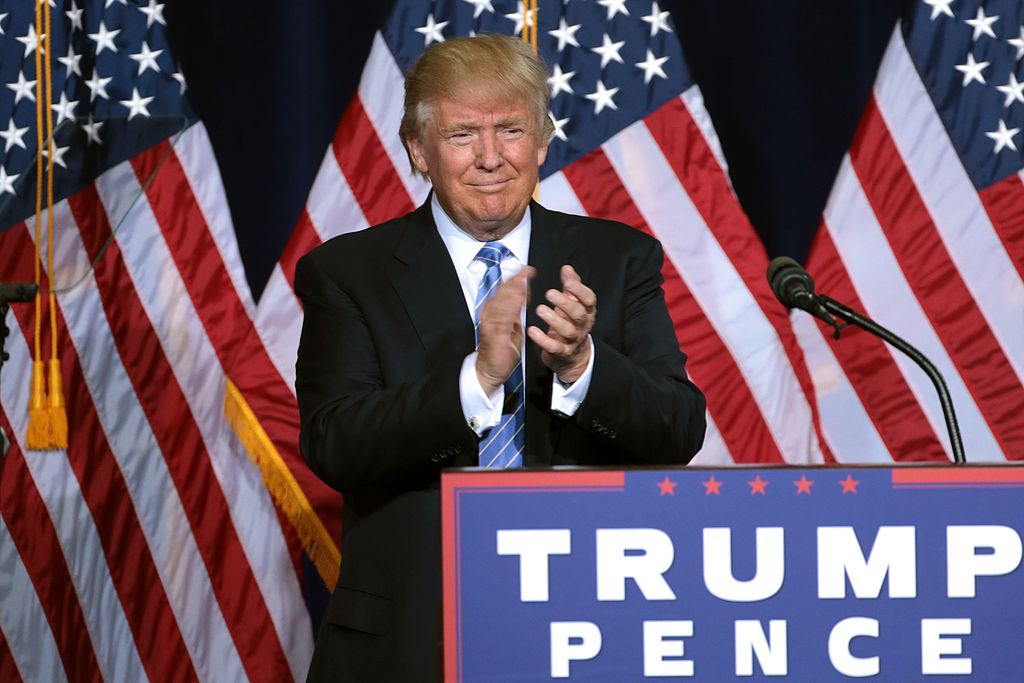
As President Donald Trump begins his second term, rural healthcare has taken center stage in his 2025 policy agenda. With millions of Americans living in underserved areas, Trump’s administration has promised sweeping changes aimed at addressing disparities in healthcare access, quality, and affordability.
Expanding Telemedicine in Rural Areas
A cornerstone of Trump’s rural healthcare strategy is the expansion of telemedicine services. Recognizing the challenges posed by long distances and limited healthcare infrastructure, the administration has pledged increased federal funding to enhance broadband access in remote areas. By investing in high-speed internet, Trump aims to bring virtual healthcare consultations to even the most isolated communities.
During a recent briefing, a White House official emphasized the importance of this initiative, stating, “Telemedicine is no longer a luxury; it’s a necessity for rural America.” However, critics argue that infrastructure improvements may take years to materialize, leaving many without immediate solutions.
To further support telehealth, Trump’s administration is pushing for legislation that would expand Medicare and Medicaid coverage for virtual visits. This move is expected to ease the financial burden on rural patients, particularly older adults and low-income families. Yet, concerns persist about the ability of small healthcare providers to adapt to the technological demands of telemedicine.
Addressing Workforce Shortages in Rural Clinics
In addition to telemedicine, Trump’s rural healthcare plan includes efforts to combat staffing shortages in underserved areas. The administration has announced incentives such as student loan forgiveness and higher reimbursement rates for healthcare professionals willing to work in rural communities. These measures aim to attract doctors, nurses, and specialists to regions where access to care is severely limited.
While some healthcare advocates praise these steps, others question whether financial incentives alone will resolve the issue. According to the National Rural Health Association, rural hospitals face unique challenges, including lower patient volumes and financial instability, which may deter potential recruits.
Additionally, Trump’s plan proposes increasing funding for rural residency programs to train medical professionals directly in these communities. Supporters believe this approach could lead to long-term retention of healthcare workers in areas that need them most.
Public Reactions: Praise and Skepticism
Trump’s rural healthcare policies have ignited robust discussions online, with many Americans expressing mixed feelings about their potential impact:
- @RuralMom75: “Finally, someone is paying attention to us! Telemedicine could really change lives in my town.”
- @HealthFirst2025: “Loan forgiveness is great, but rural hospitals are still closing. What’s the plan for that?”
- @BroadbandNow: “Expanding internet access sounds promising, but when will it actually happen? We’ve heard this before.”
- @DocOnTheMove: “Incentives are nice, but working in rural areas needs more than money—it needs sustainable infrastructure.”
- @AffordableCareFan: “Telemedicine is only useful if people can afford the internet and devices. Is that part of the plan?”
- @PolicyCritic2025: “Trump’s rural healthcare promises sound good on paper, but implementation will be the real challenge.”







