


 US Reaffirms Taiwan Arms Sales Policy Despite Trump’s Comments on China
  US Supreme Court Strikes Down Hawaii Gun Carry Law on Private Property
  NATO Chief Tries to Ease Trump Alliance Dispute
  Marco Rubio Reassures Gulf Allies Over U.S.-Iran Peace Deal
  Israel Heritage Bill Sparks Annexation Concerns in West Bank
  Peru Election Dispute Deepens as Roberto Sanchez Rejects Runoff Results
  White House Seeks $87.6 Billion Emergency Funding for Iran War, Farmers, and Ebola Response
  Republican Lawmaker Introduces AI Incident Reporting Bill to Strengthen U.S. AI Safety
  Young Brazilian Voters Shift Right Ahead of 2026 Election
  U.S. Eases Iran Team Travel Restrictions Ahead of Seattle World Cup Match
  US Senate Approves War Powers Resolution Urging Trump to End Iran Military Action
  US Mobilizes Aid After Powerful Earthquakes Devastate Venezuela
  Iran Attack in Strait of Hormuz Pushes Oil Prices Higher
  Trump Requests $11 Billion More in Farm Aid as Rising Costs Pressure U.S. Farmers
  US Approves $250 Million Fighter Jet Training Sale to Australia
  Japan Signals Preference for Low Interest Rates as BOJ Policy Debate Intensifies
  Johns Hopkins University Lays Off 110 Employees as Federal Research Funding Declines


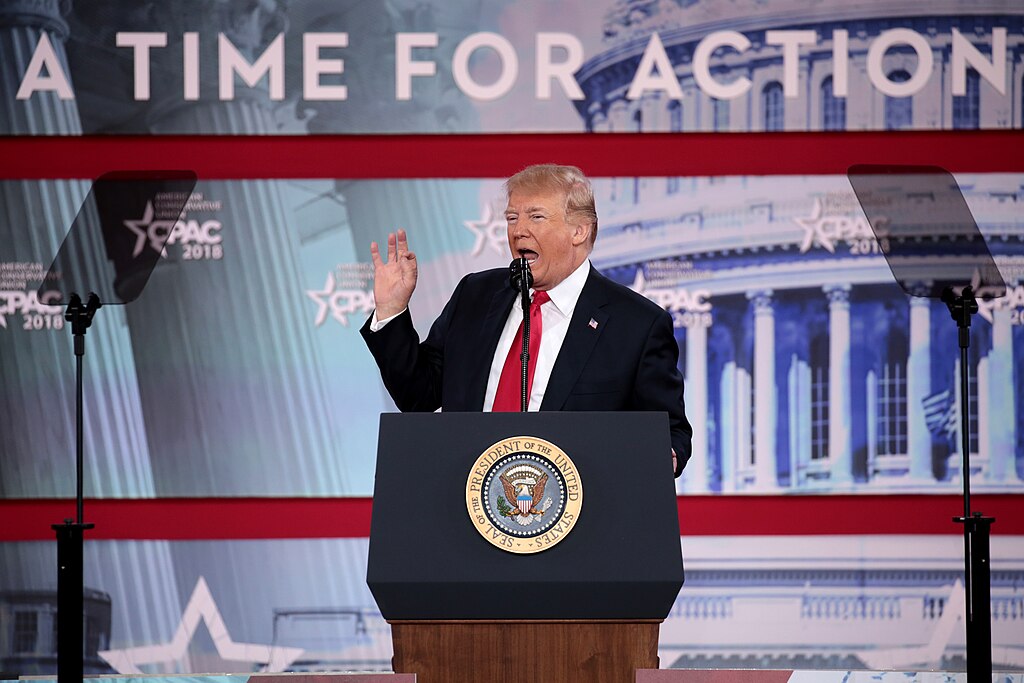
As President Donald Trump embarks on his second term, addressing labor shortages in critical industries has become a top priority. With industries ranging from healthcare to manufacturing struggling to meet workforce demands, the administration has proposed sweeping measures to bridge the growing gap between labor supply and demand.
Boosting Workforce Participation and Training Programs
To tackle the issue, the Trump administration has pledged to expand workforce training initiatives aimed at equipping American workers with the skills needed for high-demand industries. Under the proposed plan, federal funding for vocational and technical training programs will be significantly increased, with a focus on fields like healthcare, technology, and manufacturing.
The administration is also collaborating with private-sector companies to develop apprenticeship programs, incentivizing businesses to train and retain workers. At a recent press briefing, a White House spokesperson emphasized that “bringing jobs back to America is not enough; we need to ensure Americans are ready to fill those jobs.”
Critics, however, argue that funding and implementation timelines remain unclear. Some experts question whether the proposed programs can effectively address the immediate needs of industries currently facing acute labor shortages.
Immigration Reform as a Workforce Solution
Another controversial element of Trump’s plan involves revisiting immigration policies to fill labor gaps. While the administration remains firm on stricter border security and immigration enforcement, it has hinted at creating temporary work visa programs for industries most affected by labor shortages, such as agriculture and construction.
The proposal has sparked debates among policymakers, with some praising it as a pragmatic solution and others criticizing it as inconsistent with Trump’s hardline immigration stance. Advocates for immigrant workers argue that streamlining visa processes could provide a much-needed influx of skilled and unskilled labor to struggling sectors.
Labor unions, however, have voiced concerns that temporary visa programs could undermine American workers by creating a reliance on foreign labor rather than addressing systemic workforce issues at home.
Public Reactions: Divided Opinions on Trump’s Labor Agenda
Trump’s proposed measures have generated a wide range of reactions online, reflecting both optimism and skepticism:
- @WorkerFirst2025: “Training programs sound good, but we’ve heard these promises before. Will it actually happen this time?”
- @BuildItUpUSA: “Temporary work visas are essential for industries like construction. Glad to see Trump addressing this issue head-on!”
- @AmericaFirstCritic: “More funding for American workers is great, but why rely on immigrant labor for critical jobs?”
- @UnionStrong99: “Temporary visas might help businesses, but what about fair wages for American workers already in these fields?”
- @IndustryExpert2025: “Trump’s focus on manufacturing jobs is spot on. Now let’s see if he delivers results.”
- @HealthcareHero2025: “Healthcare staffing shortages are critical. Hope this plan prioritizes immediate relief for hospitals and clinics.”







