


 Wall Street Falls as Treasury Yields Surge, Oil Rebounds on Iran Tensions
  Soybean Futures Slip as Traders Await Trump-Xi Trade Signals
  Fed Unveils Stablecoin Rules Under GENIUS Act
  Wall Street Ends Flat as Oil, Treasury Yields and Fed Jitters Rattle Markets
  European Stocks Fall as Bond Yields and Geopolitical Risks Weigh
  South Korea, US Discuss Warship Building Cooperation
  Asian Stocks Fall as Surging Bond Yields Rattle Markets
  Japan Private-Sector Growth Slows as Domestic Demand Weakens
  Australia Unemployment Hits Five-Year High Despite Strong Jobs Growth
  Fed Unveils Stablecoin Rules Under GENIUS Act
  US Stock Futures Fall as Treasury Yields Surge Ahead of Trump-Xi Summit
  China’s ‘Lipstick King’ Says AI Won’t Replace Livestream Hosts
  U.S. Treasury Yields Surge as 30-Year Hits 22-Year High
  Gold Prices Fall as Treasury Yields Rise on Fed Rate Hike Bets
  Mexico-US Trade Talks Delayed to October as Tariff Negotiations Continue
  RBI Uses $10 Billion Currency Swaps to Drain Excess Rupee Liquidity
  Russian Envoy Dmitriev Heads to US for Ukraine Talks


 Add as a preferred source on Google
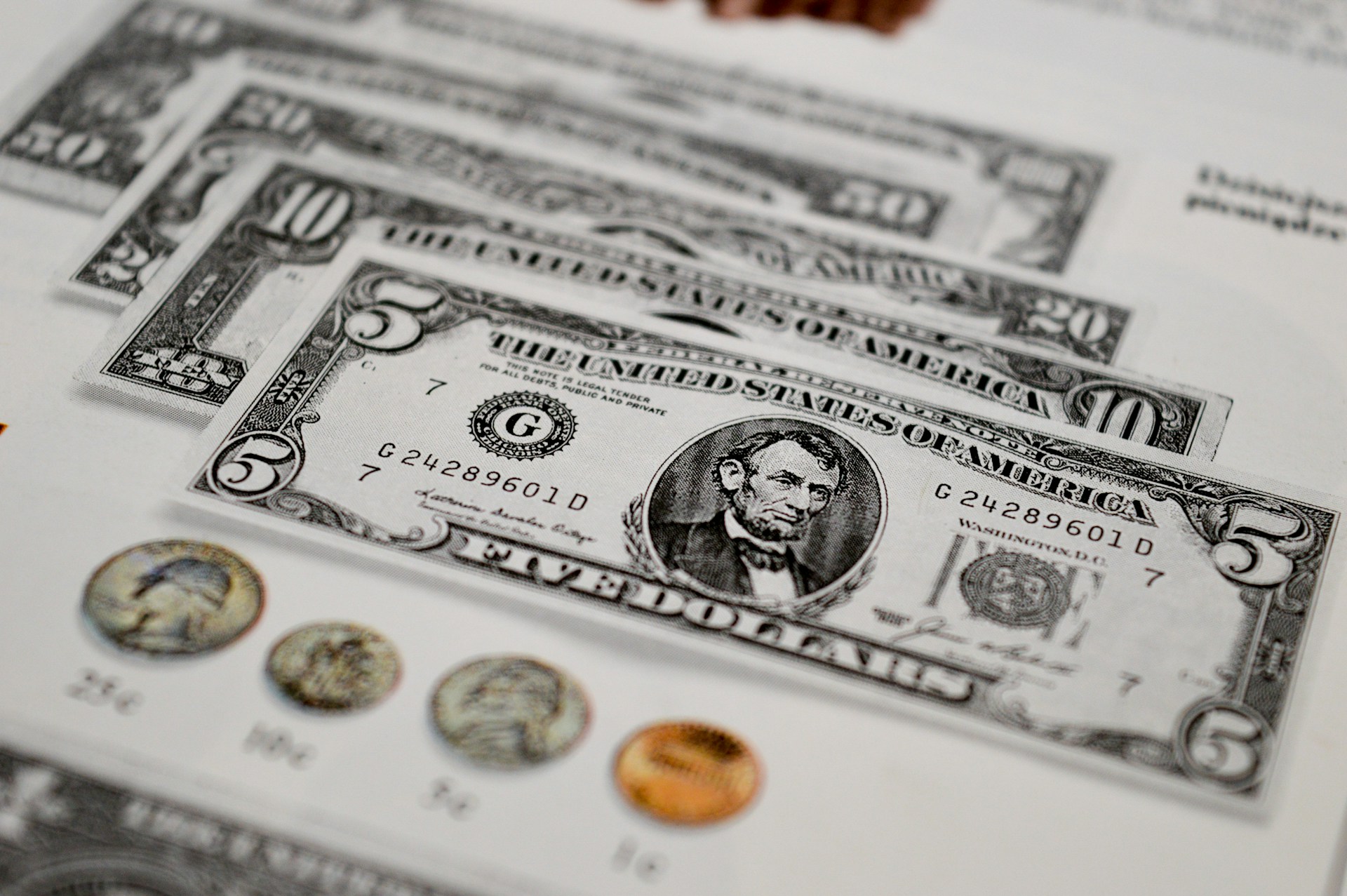
The U.S. dollar remained close to its strongest level in more than two weeks on Thursday, supported by a hawkish shift from Federal Reserve policymakers that pushed Treasury yields to a one-month high. Currency markets are also closely watching the اليابानी yen, which weakened past the critical 160 per dollar level, heightening speculation about potential intervention by Japanese authorities.
Federal Reserve Chair Jerome Powell concluded his term with interest rates left unchanged, but rising inflation concerns created a more divided stance within the central bank. The Fed’s 8–4 vote marked its most split decision since 1992, with several policymakers opposing any continued signal toward easing. This shift in tone has significantly impacted market expectations, with traders now largely ruling out rate cuts this year and even pricing in a 55% probability of a rate hike by April 2027.
U.S. Treasury yields surged following the announcement, with the 2-year yield climbing to 3.928% and the 10-year yield reaching 4.421%, both hitting their highest levels since late March. Higher yields, combined with global risk aversion, have strengthened the dollar index, which hovered near 98.85 after recent gains.
Currency strategist Rodrigo Catril noted that concerns over inflation, partly driven by geopolitical tensions such as the Iran conflict, are influencing the Fed’s stance. Rising oil prices due to fears of prolonged supply disruptions have added to market uncertainty, further supporting the dollar.
In the forex market, the euro traded around $1.1689 while the British pound stood at $1.3487, both showing slight gains. Investors are also awaiting policy decisions from the European Central Bank and the Bank of England, as expectations grow that both may adopt tighter monetary policies.
Meanwhile, the Japanese yen weakened to 160.16 per dollar, nearing levels that historically trigger government intervention. Despite signals from the Bank of Japan about possible rate hikes, the currency remains under pressure, with investors maintaining large short positions amid ongoing global uncertainty and rising energy costs.







