


 Sudan Rejects US Legitimacy Remarks, Defends Sovereignty
  US Backs Musk in Fight Against EU’s €120 Million X Fine
  Trump, Xi Focus on Trade and AI at White House Summit
  US Resumes Immigrant Visa Processing for Hungary, Poland
  DOJ Will Investigate AI-Related Crimes, Attorney General Blanche Says
  Australia Tightens Student Visa Rules, Targets Migration Cut by 2028
  Ghana Says Western Support Growing for Slave Trade Reparations
  Kremlin Says No Decision Yet on Putin-Trump December Summit
  Judge Orders Trump to Restore White House Access for CNN, MS NOW and Politico
  Netanyahu Takes Aim at Mamdani as Israel Election Nears
  Pezeshkian Says US Must Choose When Iran War Ends
  Trump, Xi Visit US National Archives After White House Summit
  Yemen Violence Displaces 130,000 as Civilian Toll Rises
  Canada Unveils Bill to Fast-Track Major Resource Projects
  North Korea Rejects Nuclear Test Warning, Calls Nuclear Status Irreversible
  Netanyahu Defends Israel at UN as Delegates Stage Walkout
  Trump Asks Supreme Court to Restore Third-Country Deportations


 Add as a preferred source on Google
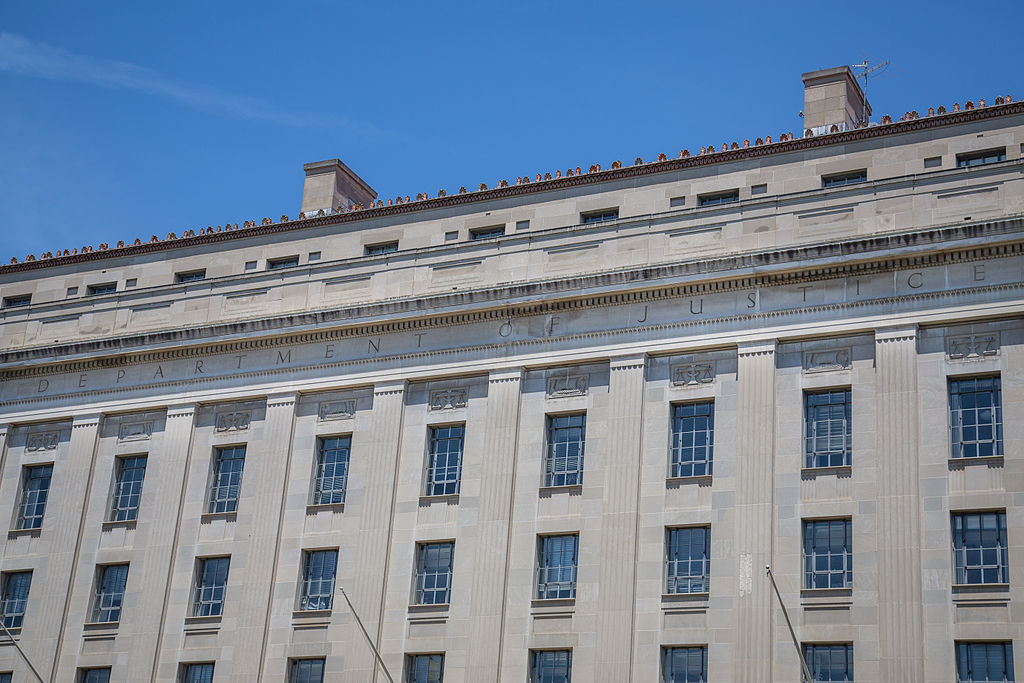
The U.S. Department of Justice (DOJ) is moving forward with plans to merge the Drug Enforcement Administration (DEA) and the Bureau of Alcohol, Tobacco, Firearms and Explosives (ATF), according to sources familiar with the matter. The consolidation, which would mark the DOJ's most significant restructuring since 9/11, is expected to be proposed as part of the White House's full fiscal year 2026 budget.
Officials from both agencies were briefed on the plan during a Thursday meeting, with a tentative timeline targeting October for the merger. While the DOJ aims to streamline operations and budgets, the proposal still requires congressional approval. Current federal law prohibits the transfer of ATF funds to other departments, presenting a potential legal hurdle.
The idea first surfaced in March in a memo from Deputy Attorney General Todd Blanche, who suggested multiple structural changes across the DOJ. While several of those changes, such as the breakup of the Tax Division and Consumer Protection Branch, have already been approved, the DEA-ATF merger remains under discussion.
Combining the two agencies would create significant logistical challenges, particularly in merging their distinct missions. The DEA oversees drug enforcement and the regulation of pharmacies and drug manufacturers, while the ATF focuses on firearms regulation and explosives control.
A recent internal DOJ email confirmed that many of Blanche’s reorganization initiatives are advancing. However, concerns remain within both agencies that merging budgets won’t sufficiently cover rising operational costs. The White House’s initial “skinny” FY2026 budget already outlined substantial cuts to the DOJ, including reductions for the FBI, DEA, and ATF.
As the DOJ pushes forward, the proposed merger could reshape federal law enforcement and redefine how the U.S. tackles drug and firearm-related crimes.







