


 Kremlin Says No Decision Yet on Putin-Trump December Summit
  Netanyahu’s Brief US Trip Highlights Strains With Trump
  FAA Allows Boeing to Sell 35 More 777F Freighters Beyond 2028
  China Tightens Fentanyl Rules Ahead of Trump-Xi Summit
  Trump, Xi Visit US National Archives After White House Summit
  Pentagon Restarts Testosterone Testing for US Troops
  Who should own the knowledge that underpins AI technology?
  ICE Agent Arrested in Minneapolis Over Venezuelan Man Shooting
  Judge Blocks Trump Rule Limiting Foreign Student Visas
  What ‘Taiwan Independence’ Means as Xi Presses Trump on US Policy
  Yemen Violence Displaces 130,000 as Civilian Toll Rises
  South Korea, US Discuss Warship Building Cooperation
  Abbas Reaffirms November 28 Palestinian Elections
  NATO Boosts Intelligence Sharing Amid Russia Hybrid Threats
  US Senate Rejects Iran War Powers Resolution in 50-49 Vote
  Taiwan Thanks US for Support Ahead of Trump-Xi Summit
  US Backs Musk in Fight Against EU’s €120 Million X Fine


 Add as a preferred source on Google
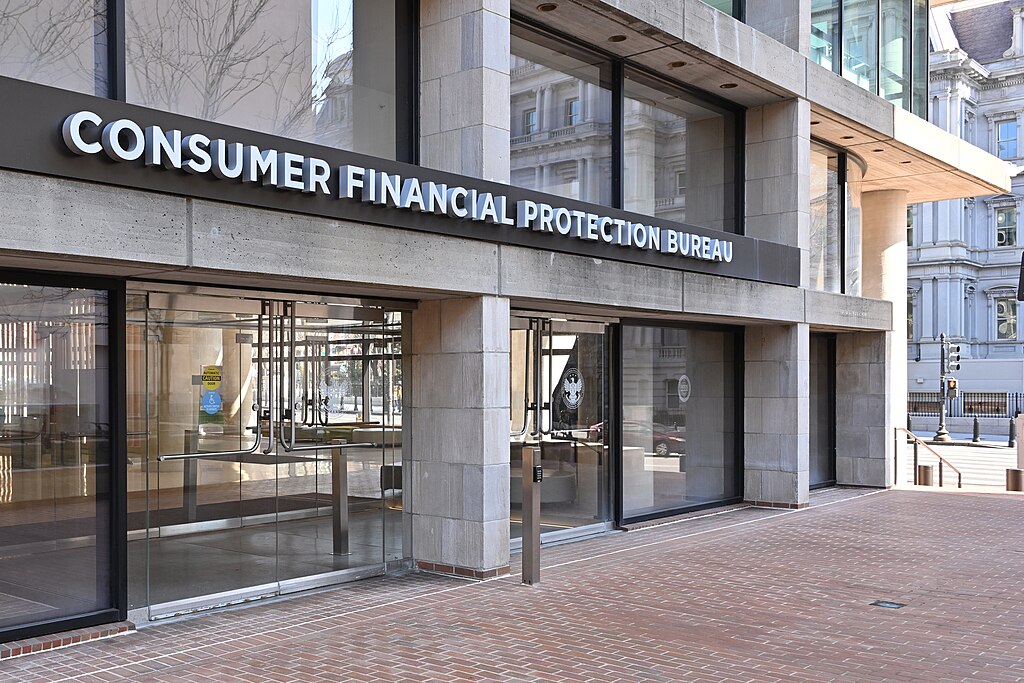
The U.S. Consumer Financial Protection Bureau (CFPB) is preparing to convene its Consumer Advisory Board next week to review major policy changes, including a controversial proposal to scale back long-standing anti-discrimination and fair lending rules. According to an agenda viewed by Reuters, the meeting will address the agency’s move—directed by the White House—to limit regulations that prohibit business practices resulting in discriminatory outcomes, even when there is no intent to discriminate.
The Consumer Advisory Board, which the CFPB must meet with twice a year, consists of outside experts, nonprofit leaders, and private-sector figures who provide guidance on consumer protection issues. Many current members, including housing-access advocates, have served since before President Donald Trump reshaped the agency’s leadership and policy direction.
Speakers scheduled for the upcoming meeting include representatives from Townstone Financial, a Chicago-based mortgage company that settled with the CFPB last year over allegations of racial discrimination, and executives from Credova, a buy-now, pay-later provider specializing in firearm-related purchases. James Giudice, general counsel at PublicSquare—Credova’s politically active parent company—will also participate, according to the agenda.
In recent years, the Trump administration has taken a lighter regulatory approach to financial oversight. In August, it ended a CFPB investigation into Credova, claiming the probe had been politically driven. Additionally, a federal court blocked the agency’s attempt to reverse its settlement with Townstone, reinforcing legal limits on the CFPB’s ability to revisit agreements already approved by the court.
Representatives for the CFPB and PublicSquare did not immediately comment on the scheduled discussions, and Townstone’s attorney declined to issue a statement through a spokesperson. As the advisory panel prepares to convene, the broader financial sector is watching closely, as changes to fair lending rules and anti-discrimination standards could significantly impact consumer protections and regulatory practices across the industry.







