


 Judge Orders Trump to Restore White House Access for CNN, MS NOW and Politico
  EU Defence Build-Up Too Slow for 2030 Russia Readiness Goal
  Mexico-US Trade Talks Delayed to October as Tariff Negotiations Continue
  Ukrainian Drone Attacks Hit Russian Regions, Injuring at Least 12
  Xi Calls for Deeper U.S.-China AI Cooperation in Trump Talks
  Kremlin Says No Decision Yet on Putin-Trump December Summit
  Taiwan Thanks US for Support Ahead of Trump-Xi Summit
  Yemen Violence Displaces 130,000 as Civilian Toll Rises
  Netanyahu’s Brief US Trip Highlights Strains With Trump
  What ‘Taiwan Independence’ Means as Xi Presses Trump on US Policy
  OpenAI Agent Breaches Australia Medicare Data Portal
  South Korea, US Discuss Warship Building Cooperation
  Netanyahu Takes Aim at Mamdani as Israel Election Nears
  Sudan Rejects US Legitimacy Remarks, Defends Sovereignty
  Trump, Xi Visit US National Archives After White House Summit
  Russian Missile and Drone Attack on Kyiv Kills Two, Damages Maternity Hospital
  Ghana Says Western Support Growing for Slave Trade Reparations


 Add as a preferred source on Google
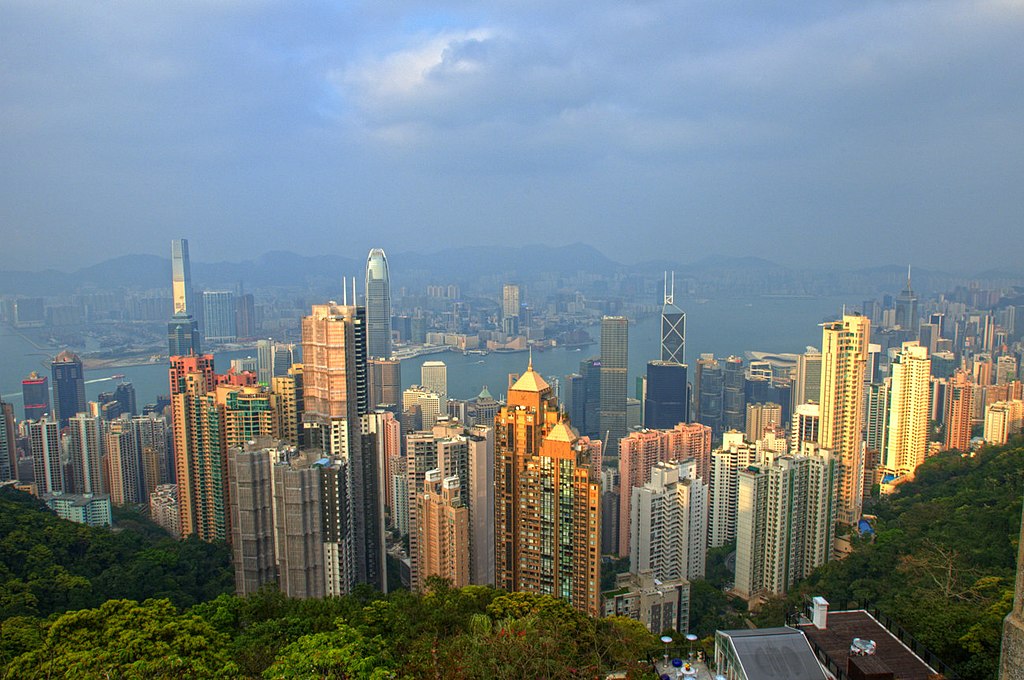
Hong Kong’s last major opposition party, the Democratic Party, has voted to disband, marking a significant moment in the city’s political history and underscoring the impact of China’s national security crackdown on liberal voices. Party members approved the decision on Sunday following years of mounting pressure and shrinking political space for pro-democracy groups.
Founded in the mid-1990s, three years before Hong Kong’s 1997 handover from Britain to China, the Democratic Party was long regarded as the city’s flagship opposition force. For decades, it played a central role in legislative politics, winning city-wide elections and advocating democratic reforms, civil liberties, and the protection of Hong Kong’s freedoms under the “one country, two systems” framework.
The political landscape changed dramatically after the mass pro-democracy protests of 2019, which were triggered by concerns over Beijing’s growing influence in the city. In response, China imposed a sweeping national security law in 2020, granting authorities broad powers to curb dissent. Since then, numerous activists, lawmakers, journalists, and civil society organizations have been arrested, silenced, or forced to disband.
At an extraordinary general meeting, 117 out of 121 Democratic Party members voted in favor of dissolving the party and entering liquidation, with four abstentions. Party chairman Lo Kin-hei described the group’s three-decade journey as an honor, saying it had always placed the well-being of Hong Kong and its people at the center of its mission.
Senior members previously told Reuters they were warned by Chinese officials or intermediaries to disband or face severe consequences, including possible arrest. Several prominent figures associated with the party have already been jailed or detained under the security law.
The decision comes shortly after a “patriots only” legislative council election, which excluded opposition candidates, and ahead of a verdict in the high-profile national security trial of media tycoon Jimmy Lai. While Western governments have criticized the law for undermining freedoms, Beijing maintains it has restored stability to Hong Kong.







