


 Ryan Cohen Rejects GameStop Pay Package, Prepares New eBay Acquisition Plan
  Cerebras Revenue Forecast Tops Expectations, but Margin Concerns Weigh on Stock
  Trump Revises U.S. Tariffs on Copper, Aluminum, and Steel Imports Through 2027
  Meta Challenges Australia’s Proposed Tech Tax, Citing U.S. Trade Agreement Concerns
  Meta Pauses Employee Activity Tracking Program Over Data Security Concerns
  Lebanon Pushes Ahead With Israel Talks Despite Iran-U.S. Deal Impact
  Russia Signals Frustration Over Unfulfilled U.S. Commitments After Alaska Summit
  US Urges Europe to Impose Ebola Travel Restrictions Ahead of FIFA World Cup 2026
  Trump Administration Delays DeepSeek and CXMT Trade Blacklist Designations Amid U.S.-China Tensions
  Samsung Electronics Stock Surges on Report of Massive $59 Billion Share Buyback Plan
  Trump Threatens ABC News Lawsuit Over Lincoln Memorial Reflecting Pool Coverage
  Oracle Cuts 21,000 Jobs as AI Reshapes Workforce and Cloud Expansion Accelerates
  DOJ Sues Virginia Over Law Enforcement Mask Ban
  NHTSA Investigates Fatal Tesla Model 3 Crash in Texas Amid Ongoing Autopilot and FSD Safety Scrutiny
  Andy Burnham Emerges as Favorite After Keir Starmer Resigns
  Trump Orders DOJ Investigation Into Exxon, Chevron Over High Gas Prices


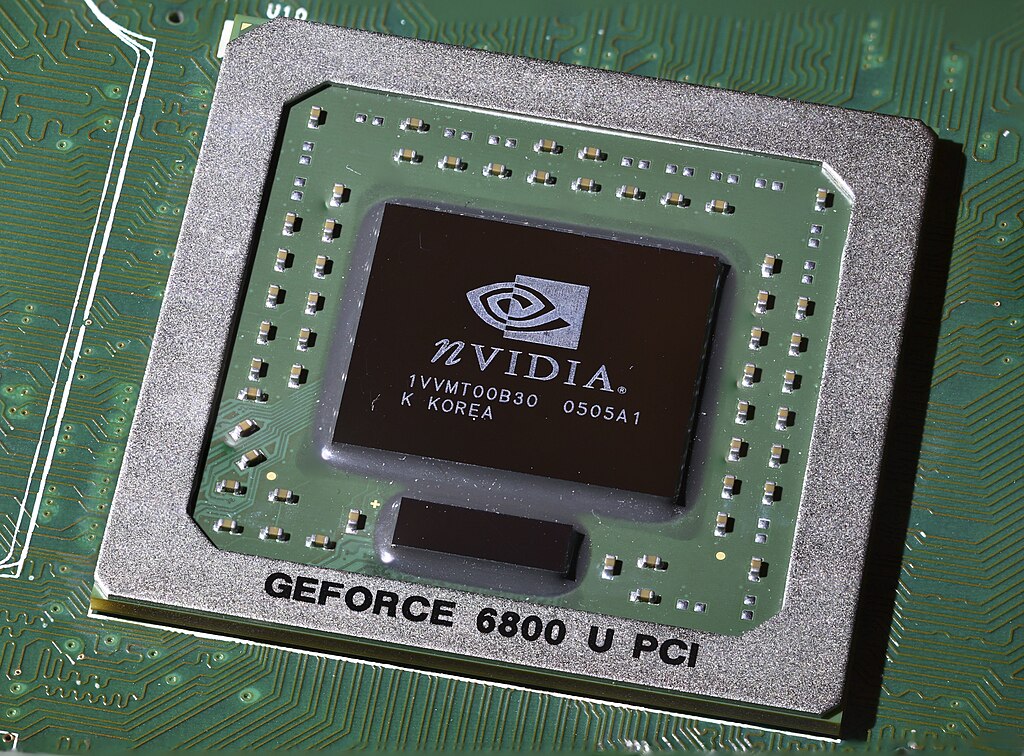
The Trump administration is facing strong backlash from China hawks and Democratic lawmakers after authorizing Nvidia, AMD, and Intel to sell advanced AI chips—specifically Nvidia’s H200—to China. President Donald Trump announced the decision on social media, noting that the U.S. would collect a 25% fee on each sale. Critics argue the move could give Beijing access to technology capable of accelerating its military AI programs.
Brad Carson, former Under Secretary of the Army, warned that the policy “puts our competitive edge up for sale,” emphasizing that China could eventually integrate U.S.-made AI chips into its military systems. Many national security officials see the authorization as a major strategic risk at a time when U.S.–China technological competition is intensifying.
This policy represents a dramatic departure from Trump’s first term, when he aggressively restricted Chinese access to key U.S. technologies, citing intellectual property theft and military concerns. The current administration, guided by White House AI czar David Sacks, argues that allowing controlled chip sales may actually slow the rise of Chinese competitors like Huawei. Sacks claims that if Chinese-designed AI chips dominate global markets within a few years, it would signal a major loss for American leadership.
However, former NSA and Homeland Security official Stewart Baker called that logic unrealistic, stating China will never stop pursuing a fully domestic AI chip industry. Democratic lawmakers echoed the criticism. Senator Ron Wyden accused Trump of being “taken to the cleaners by China yet again,” while Representative Raja Krishnamoorthi labeled the decision “a profound national security mistake.”
China responded by urging the U.S. to maintain stable supply chains, with embassy spokesperson Liu Pengyu expressing hope for constructive actions from Washington. Some analysts, including Chinese military expert James Mulvenon, believe any short-term benefits for China will be temporary, as Beijing’s long-term strategy is to eliminate reliance on Western technology.
The debate underscores growing tension between economic strategy, national security, and technological dominance as the United States navigates its evolving relationship with China.







