


 France Defends Netanyahu Airspace Clearance Despite ICC Warrant
  Trump Asks Supreme Court to Restore Third-Country Deportations
  Ghana Says Western Support Growing for Slave Trade Reparations
  Trump, Xi Focus on Trade and AI at White House Summit
  US Backs Musk in Fight Against EU’s €120 Million X Fine
  Saudi Arabia, Turkey and Pakistan Plan Urgent Defence Talks Over Houthi Attacks
  US Senate Rejects Iran War Powers Resolution in 50-49 Vote
  Netanyahu Defends Israel at UN as Delegates Stage Walkout
  Pezeshkian Says US Must Choose When Iran War Ends
  Najib Razak Seeks Stay of 15-Year 1MDB Prison Sentence
  Mexico-US Trade Talks Delayed to October as Tariff Negotiations Continue
  Abbas Reaffirms November 28 Palestinian Elections
  Sudan Rejects US Legitimacy Remarks, Defends Sovereignty
  What ‘Taiwan Independence’ Means as Xi Presses Trump on US Policy
  North Korea Rejects Nuclear Test Warning, Calls Nuclear Status Irreversible
  EU Defence Build-Up Too Slow for 2030 Russia Readiness Goal
  Netanyahu’s Brief US Trip Highlights Strains With Trump


 Add as a preferred source on Google
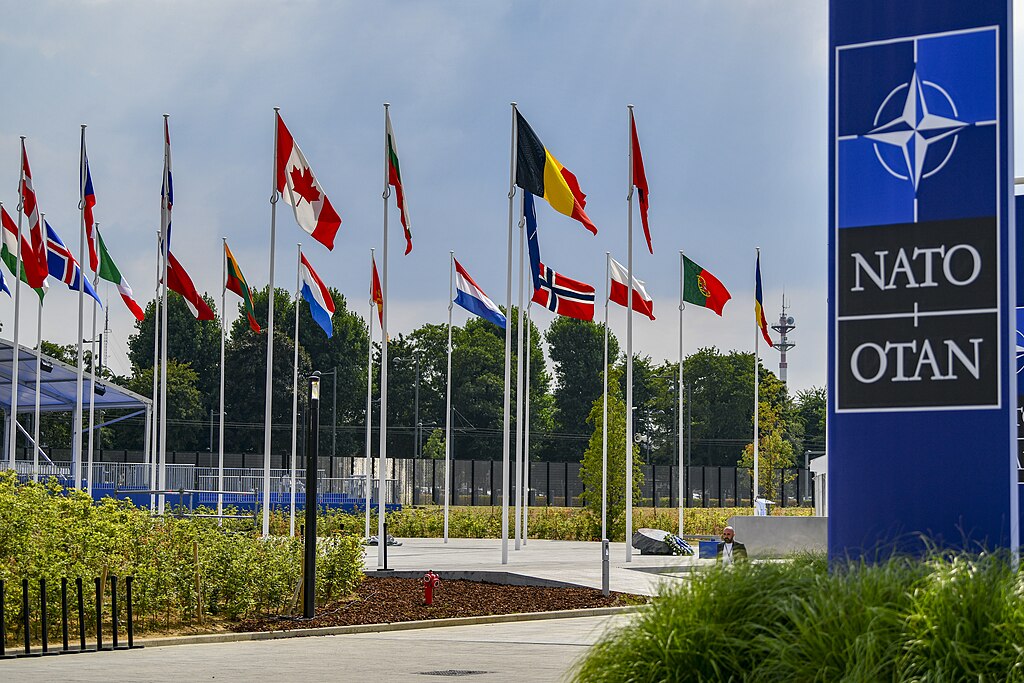
Ukraine’s recent offer to abandon its long-standing ambition to join NATO is unlikely to have a major impact on ongoing peace talks with Russia, according to several foreign policy and security experts. During discussions with U.S. envoys over a potential Ukraine-Russia peace agreement, President Volodymyr Zelenskiy said Kyiv could forgo NATO membership in exchange for firm security guarantees from the United States, Europe, and other partners.
Some analysts argue the move is largely symbolic. Justin Logan, director of defense and foreign policy studies at the Cato Institute, said Ukraine’s NATO membership has not been realistic for years and that the offer does little to change negotiations. He described Zelenskiy’s statement as an attempt to demonstrate flexibility rather than a breakthrough. Andrew Michta, a professor of strategic studies at the University of Florida, echoed this view, calling Ukraine’s NATO admission a “non-issue” at this stage of the conflict.
Logan noted that Ukraine’s security could be supported through other mechanisms, including continued Western military assistance and sanctions against Russia. He suggested U.S. President Donald Trump, responding to Zelenskiy’s proposal, might simply reaffirm existing U.S. commitments such as arms deliveries and economic pressure on Moscow, rather than offering new guarantees.
However, not all experts downplayed the significance of the concession. Brett Bruen, a former foreign policy adviser in the Obama administration and now president of the Global Situation Room consultancy, described Ukraine’s move as “significant and substantive.” He said it highlights Kyiv’s willingness to make difficult compromises for peace, contrasting sharply with Russia’s limited concessions so far.
Bruen raised questions about what Ukraine would receive in return for backing away from a core promise to its citizens. He speculated that the United States could offer concrete steps such as patrolling Ukrainian airspace, responding to airspace violations, or increasing military aid if Russia launches another major offensive.
Ultimately, experts agree that Ukraine needs more than verbal assurances. As peace talks continue, tangible security guarantees and enforceable actions will be critical to ensuring long-term stability and preventing future escalation in the Ukraine-Russia war.







