


 Zelenskiy Warns Russia Preparing Major Attack on Ukraine
  Kremlin Says No Grounds Yet for Ukraine Peace Talks
  Gaza Faces Evacuation Crisis as War-Damaged Buildings Risk Collapse
  Trump Board of Peace Unveils $2.45 Billion Gaza Recovery Plan
  Judge Orders Trump to Restore White House Access for CNN, MS NOW and Politico
  Trump Says ‘Freedom’ Is Coming to Cuba
  Russian Envoy Dmitriev Heads to US for Ukraine Talks
  China Tightens Fentanyl Rules Ahead of Trump-Xi Summit
  Taiwan Thanks US for Support Ahead of Trump-Xi Summit
  Venezuela Promises Elections as Delcy Rodriguez Pledges Democratic Transition
  Ghana Says Western Support Growing for Slave Trade Reparations
  Russian Strikes Kill Eight Across Ukraine as Energy Sites Hit
  Europe Warns Russia Is Escalating Hybrid Attacks Across NATO
  US Officials Split Over Response to Israeli West Bank Settlements
  Trump Meets Venezuela’s Delcy Rodriguez at UN Assembly
  Trump to Press Xi on Release of US Nuclear Expert Held in China
  Russian Missile and Drone Attack on Kyiv Kills Two, Damages Maternity Hospital


 Add as a preferred source on Google
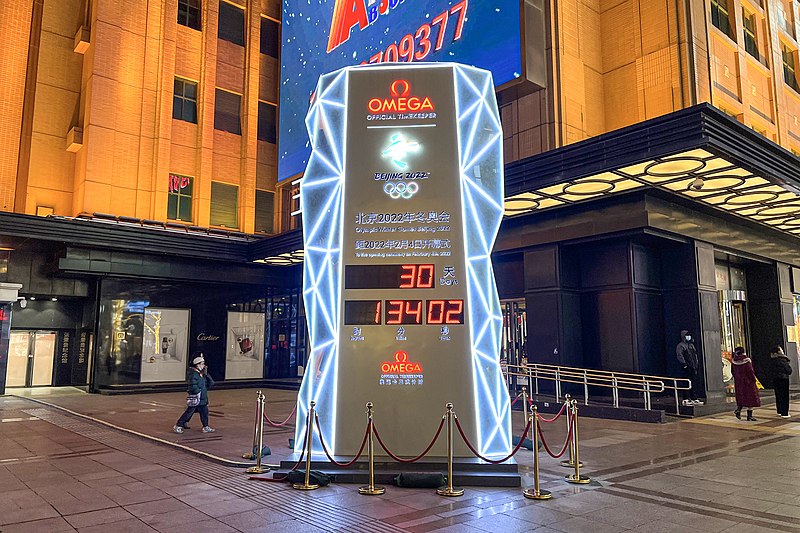
The upcoming winter Olympics in Bejing has been wrought with politicization, and other issues as athletes from all over the world are set to take part in the major sporting event. China’s state media has since accused the US of paying athletes to cause disturbances during the Olympic games.
AFP reports Chinese state media outlet China Daily, citing anonymous sources, claimed that Washington was plotting to get athletes to “play passively” or refuse to participate in events and express “discontent towards China.” The accusations come as the Beijing Winter Olympics takes place this week.
“The sources stressed that Washington’s plan is a new example demonstrating attempts by some anti-China forces in the United States to politicize sports and maliciously disrupt and spoil the Beijing Winter Olympic Games,” said the report. The outlet then said that in return for the supposed efforts, the US will offer financial compensation and will work to maintain the reputations of the athletes involved.
The US Embassy in Beijing denied the accusations made in the newspaper. In a statement to AFP, the embassy dismissed the accusations, saying that China is trying to deflect attention from its track record on human rights.
“We were not and are not coordinating a global campaign regarding participation at the Olympics,” said the embassy spokesperson. “US athletes are entitled to express themselves freely in line with the spirit and charter of the Olympics, which includes advancing human rights.”
The accusations also come as the US is leading a diplomatic boycott of the upcoming Olympic Games. While no dignitaries would be present, only the athletes would be attending. Washington has cited the human rights abuses by China towards its Uyghur Muslim community in Xinjiang that has been labeled a “genocide.”
Meanwhile, Japan’s Parliament is set to pass a resolution regarding Uyghur human rights as soon as Tuesday, according to Bloomberg. The move will likely draw the ire of Beijing, especially as the Olympic Games are around the corner.
The resolution came as a result of months of debate among the country’s political parties, underscores Japan’s struggle to balance its ties with the US and with China. Regardless of the struggle, the move to pass a resolution is also a sign that its lawmakers are keen on holding Beijing accountable for suspected human rights abuses on its minorities.







