


 Australia Unemployment Hits Five-Year High Despite Strong Jobs Growth
  U.S. Dollar Hits Two-Month High as Oil, Treasury Yields Surge
  Mexico-US Trade Talks Delayed to October as Tariff Negotiations Continue
  Oil Prices Jump 3% as Houthi Attack Revives Supply Fears
  US Stock Futures Fall as Treasury Yields Surge Ahead of Trump-Xi Summit
  Dollar Holds Near Two-Month High as Yen Approaches 160
  Japan Private-Sector Growth Slows as Domestic Demand Weakens
  Wall Street Ends Flat as Oil, Treasury Yields and Fed Jitters Rattle Markets
  Oil Prices Ease as Iran Tensions Clash With Diplomacy Hopes
  Asian Currencies Mixed as Dollar Holds Near Two-Month High
  US 10-Year Treasury Yield at 6% Emerges as New Market Risk Threshold
  China’s ‘Lipstick King’ Says AI Won’t Replace Livestream Hosts
  Fed Unveils Stablecoin Rules Under GENIUS Act
  Fed’s Hammack Says Bond Yield Surge Is Not Driven by Inflation Fears
  European Stocks Fall as Bond Yields and Geopolitical Risks Weigh
  Oil Prices Fall on U.S.-Iran Hormuz Deal Hopes


 Add as a preferred source on Google
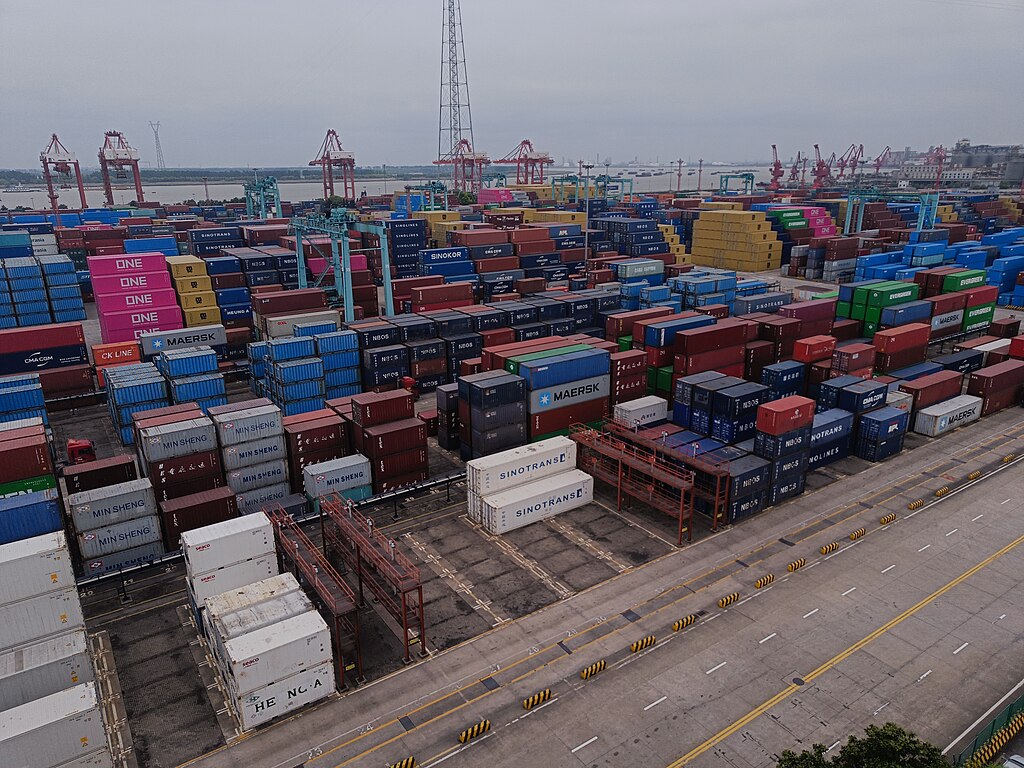
China’s economy in 2024 was officially revised downward following a final verification by the country’s statistics bureau, highlighting ongoing adjustments in the world’s second-largest economy. According to the latest announcement released on Friday, China’s gross domestic product for 2024 stood at 134.8 trillion yuan, equivalent to approximately $19.23 trillion in nominal terms. This figure reflects a reduction of 101.8 billion yuan compared with the preliminary GDP data released earlier.
The revision underscores the routine process of economic recalibration carried out by Chinese authorities, which involves comprehensive data checks after initial estimates. Such revisions are common in major economies and are intended to improve accuracy by incorporating more complete information from various sectors, including industry, services, and consumption. While the adjustment is relatively modest compared with the overall size of China’s economy, it has drawn attention from global investors and analysts closely tracking China’s growth trajectory.
Despite the downward revision for 2024, Chinese officials have maintained an optimistic outlook for the coming years. In July, China’s state planner stated that the country’s economy is expected to exceed 140 trillion yuan in 2025, signaling confidence in continued economic expansion. This projection suggests that policymakers anticipate steady recovery momentum supported by domestic demand, infrastructure investment, and gradual stabilization in key sectors such as property and manufacturing.
China’s economic performance remains a critical factor for global markets, given its central role in international trade, supply chains, and commodity demand. Even with the revised GDP figure, China continues to rank among the largest economies worldwide, with growth trends closely monitored by governments, businesses, and financial institutions.
The revised data may also influence policy decisions, including fiscal spending and monetary support measures, as authorities seek to balance growth, employment, and financial stability. As China moves into 2025, expectations of surpassing the 140 trillion yuan mark reinforce the country’s long-term economic ambitions, even as short-term challenges and data revisions remain part of the economic landscape.







