


 RBI Uses $10 Billion Currency Swaps to Drain Excess Rupee Liquidity
  Oil Prices Ease as Iran Tensions Clash With Diplomacy Hopes
  South Korea, US Discuss Warship Building Cooperation
  Russian Envoy Dmitriev Heads to US for Ukraine Talks
  Mexico-US Trade Talks Delayed to October as Tariff Negotiations Continue
  Wall Street Ends Flat as Oil, Treasury Yields and Fed Jitters Rattle Markets
  Asian Stocks Fall as Surging Bond Yields Rattle Markets
  Japanese Bank Stocks Surge as Bond Yields Fuel Rate Hike Bets
  U.S. Dollar Hits Two-Month High as Oil, Treasury Yields Surge
  Japan Private-Sector Growth Slows as Domestic Demand Weakens
  Trump, Xi Focus on Trade and AI at White House Summit
  Gold Holds Near $4,275 as Rising Treasury Yields Fuel Fed Rate Hike Bets
  US 10-Year Treasury Yield at 6% Emerges as New Market Risk Threshold
  Australia Unemployment Hits Five-Year High Despite Strong Jobs Growth
  Oil Prices Surge as U.S.-Iran Diplomacy Hopes Fade
  Wall Street Falls as Treasury Yields Surge, Oil Rebounds on Iran Tensions
  Asian Stocks Fall as Bond Yields Surge Ahead of Trump-Xi Summit


 Add as a preferred source on Google
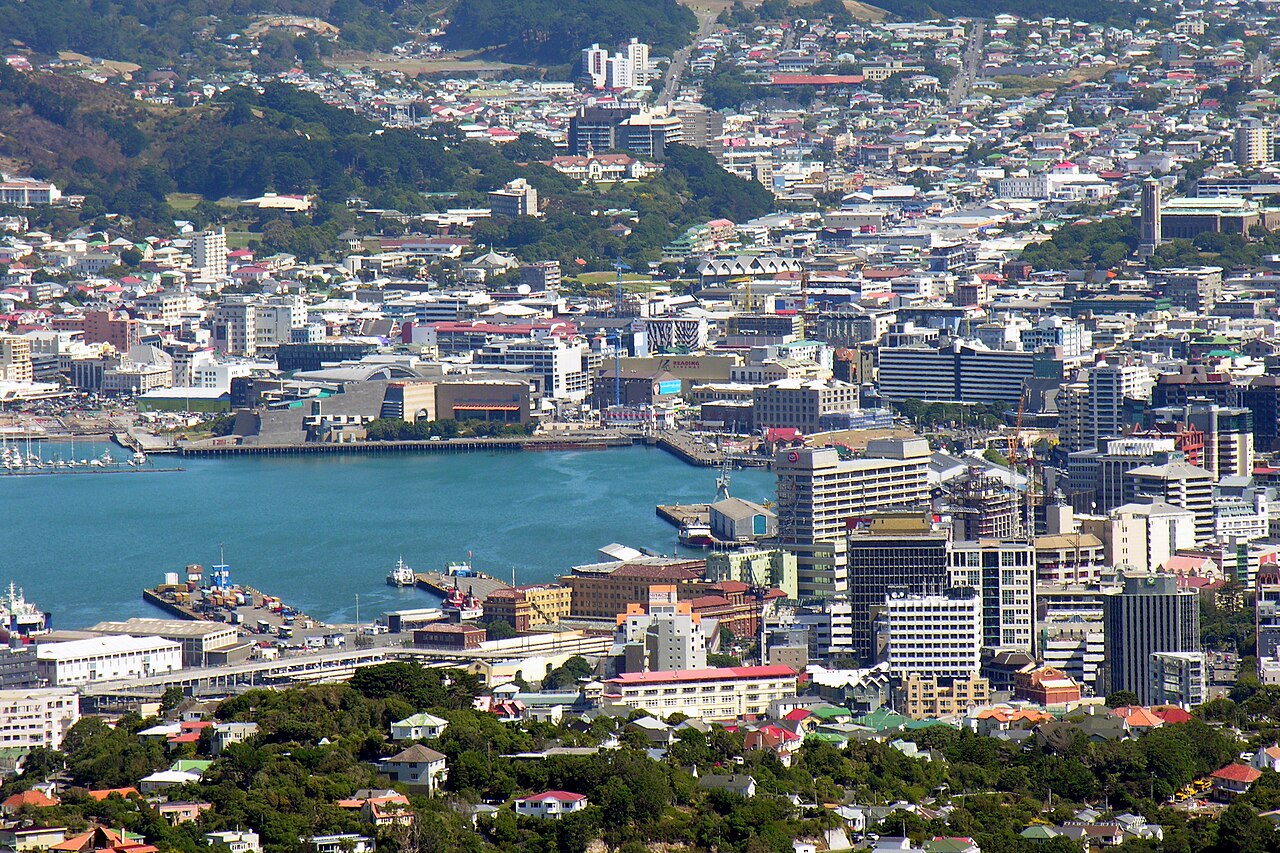
New Zealand’s economic recovery is facing delays but remains intact, according to Finance Minister Nicola Willis, as rising global oil prices linked to the Iran conflict continue to impact fuel costs, business confidence, and consumer sentiment. Despite these challenges, the government maintains that the country’s economic growth outlook is still positive for the year.
Treasury projections highlight the sensitivity of inflation to oil price movements. In a best-case scenario, where oil averages around $110 per barrel, inflation is expected to reach approximately 3.9% for the fiscal year ending June 30. However, in a more extreme scenario where oil prices surge to $180 per barrel, inflation could climb as high as 7.4%. Willis emphasized that such a worst-case outcome is unlikely but acknowledged the risks tied to global market volatility.
Currently, New Zealand’s annual inflation rate stands at 3.1%, slightly above the Reserve Bank’s target range of 1% to 3%. This elevated inflation level increases the probability of additional interest rate hikes later in the year as policymakers attempt to stabilize prices and control economic pressures.
Willis described the economic outlook as one of resilience despite disruption, noting that while short-term challenges persist, the medium- to long-term trajectory still points toward steady growth. The economy returned to expansion in the latter half of last year, although the pace of growth remains modest.
Adding to the cautious outlook, Moody’s recently revised New Zealand’s credit rating outlook from “stable” to “negative,” citing concerns about fiscal risks and ongoing global uncertainties. However, the agency reaffirmed the country’s top-tier Aaa credit rating, signaling continued confidence in its overall economic stability.
The New Zealand government is set to release updated forecasts for GDP growth, inflation, and unemployment during the national budget announcement on May 28, which will provide further clarity on the country’s economic direction.







