


 Oil Prices Surge as U.S.-Iran Diplomacy Hopes Fade
  South Korea, US Discuss Warship Building Cooperation
  US 10-Year Treasury Yield at 6% Emerges as New Market Risk Threshold
  Wall Street Falls as Treasury Yields Surge, Oil Rebounds on Iran Tensions
  Australia Unemployment Hits Five-Year High Despite Strong Jobs Growth
  Soybean Futures Slip as Traders Await Trump-Xi Trade Signals
  U.S. 10-Year Treasury Yield Hits 2007 High as Fed Rate Hike Bets Rise
  Japanese Bank Stocks Surge as Bond Yields Fuel Rate Hike Bets
  Asian Currencies Mixed as Dollar Holds Near Two-Month High
  RBI Uses $10 Billion Currency Swaps to Drain Excess Rupee Liquidity
  US, China Extend Trade Truce to Jan. 10 Ahead of Trump-Xi Summit
  Gold Prices Fall as Treasury Yields Rise on Fed Rate Hike Bets
  Gold Holds Near $4,275 as Rising Treasury Yields Fuel Fed Rate Hike Bets
  Asian Stocks Fall as Bond Yields Surge Ahead of Trump-Xi Summit
  Dollar Holds Near Two-Month High as Yen Approaches 160
  Japan Private-Sector Growth Slows as Domestic Demand Weakens
  Oil Prices Jump 3% as Houthi Attack Revives Supply Fears


 Add as a preferred source on Google
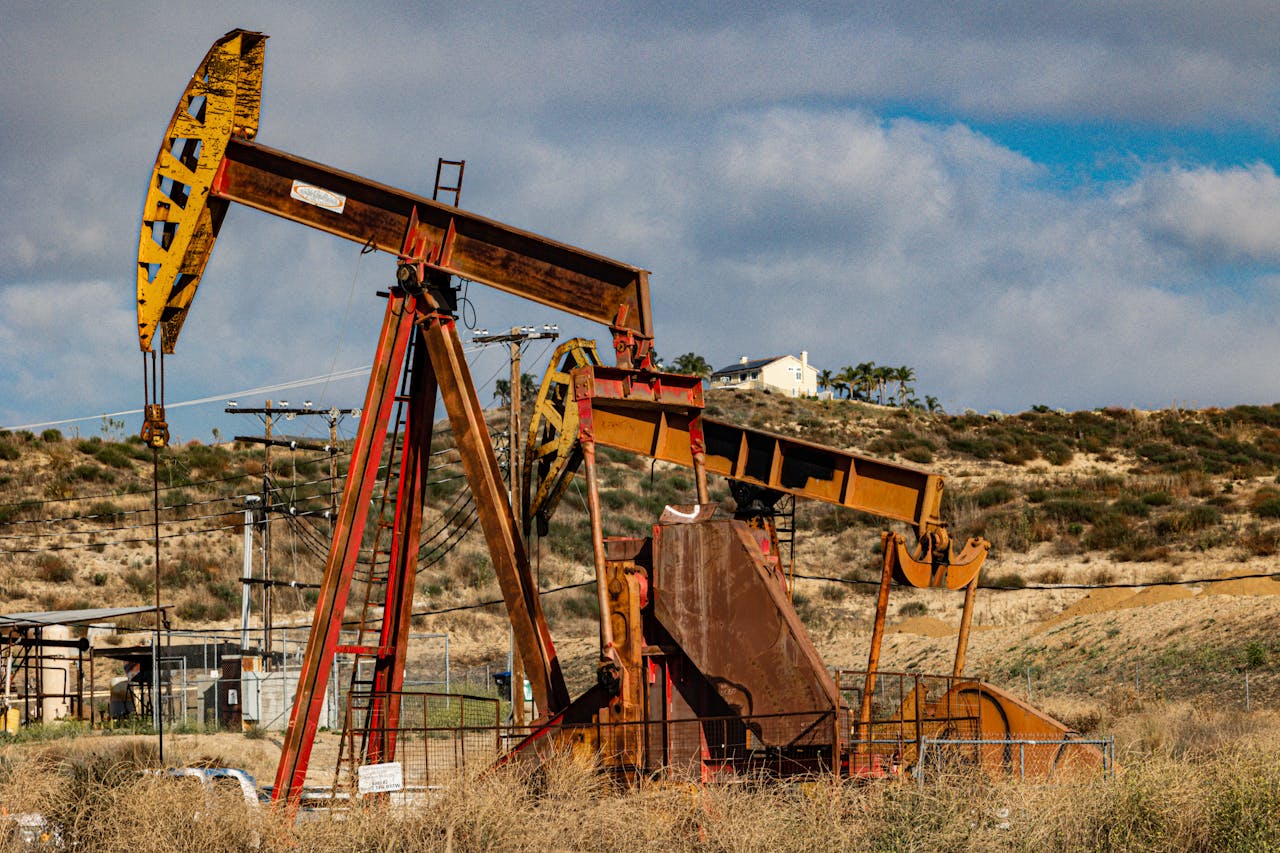
Oil prices remained relatively stable on Friday as optimism over renewed U.S.-Iran negotiations helped calm market fears, even as supply disruptions in the Strait of Hormuz continued to support prices. Brent crude futures rose 0.7% to $105.81 per barrel, while U.S. West Texas Intermediate (WTI) crude slipped 1% to $94.85. Despite the mixed daily performance, both benchmarks are on track for their strongest weekly gains since early March.
Investor sentiment improved after confirmation that U.S. and Iranian officials will meet again for diplomatic talks in Pakistan. The move follows signals from both sides indicating a willingness to pursue a potential agreement. Iran’s Foreign Minister Abbas Araghchi announced a regional tour to coordinate with key partners, while the White House confirmed that senior U.S. representatives would attend the upcoming discussions. Comments from U.S. officials suggesting diplomacy remains a priority briefly pushed oil prices lower during the session.
However, ongoing geopolitical tensions continue to drive the oil market. The prolonged closure of the Strait of Hormuz—a critical global oil shipping route—has significantly reduced supply. According to Goldman Sachs, Gulf oil production has dropped by approximately 14.5 million barrels per day, representing a 57% decline from pre-conflict levels. This supply shock has played a major role in lifting crude prices throughout the week.
Both Brent and WTI have rebounded sharply, gaining over 16% and 12% respectively this week. The rally comes despite a fragile ceasefire and uncertainty around the duration of the conflict. Increased naval activity in the region, including vessel seizures and blockades, has heightened risks to global energy supply chains.
Analysts warn that even if the Strait of Hormuz reopens, oil production may take time to recover fully. Meanwhile, major producers are exploring alternative shipping routes to bypass the disrupted corridor. As geopolitical tensions persist, oil price volatility is expected to remain elevated, keeping investors focused on both diplomatic developments and supply risks.







