


 Trump, Xi Focus on Trade and AI at White House Summit
  Oil Prices Jump 3% as Houthi Attack Revives Supply Fears
  U.S. Treasury Yields Surge as 30-Year Hits 22-Year High
  Russian Envoy Dmitriev Heads to US for Ukraine Talks
  China’s ‘Lipstick King’ Says AI Won’t Replace Livestream Hosts
  RBI Uses $10 Billion Currency Swaps to Drain Excess Rupee Liquidity
  Gold Prices Fall as Treasury Yields Rise on Fed Rate Hike Bets
  Dollar Holds Near Two-Month High as Yen Approaches 160
  Oil Prices Ease as Iran Tensions Clash With Diplomacy Hopes
  US, China Extend Trade Truce to Jan. 10 Ahead of Trump-Xi Summit
  U.S. 10-Year Treasury Yield Hits 2007 High as Fed Rate Hike Bets Rise
  Japanese Bank Stocks Surge as Bond Yields Fuel Rate Hike Bets
  Fed Unveils Stablecoin Rules Under GENIUS Act
  Gold Holds Near $4,275 as Rising Treasury Yields Fuel Fed Rate Hike Bets
  Japan Private-Sector Growth Slows as Domestic Demand Weakens
  Australia Unemployment Hits Five-Year High Despite Strong Jobs Growth


 Add as a preferred source on Google
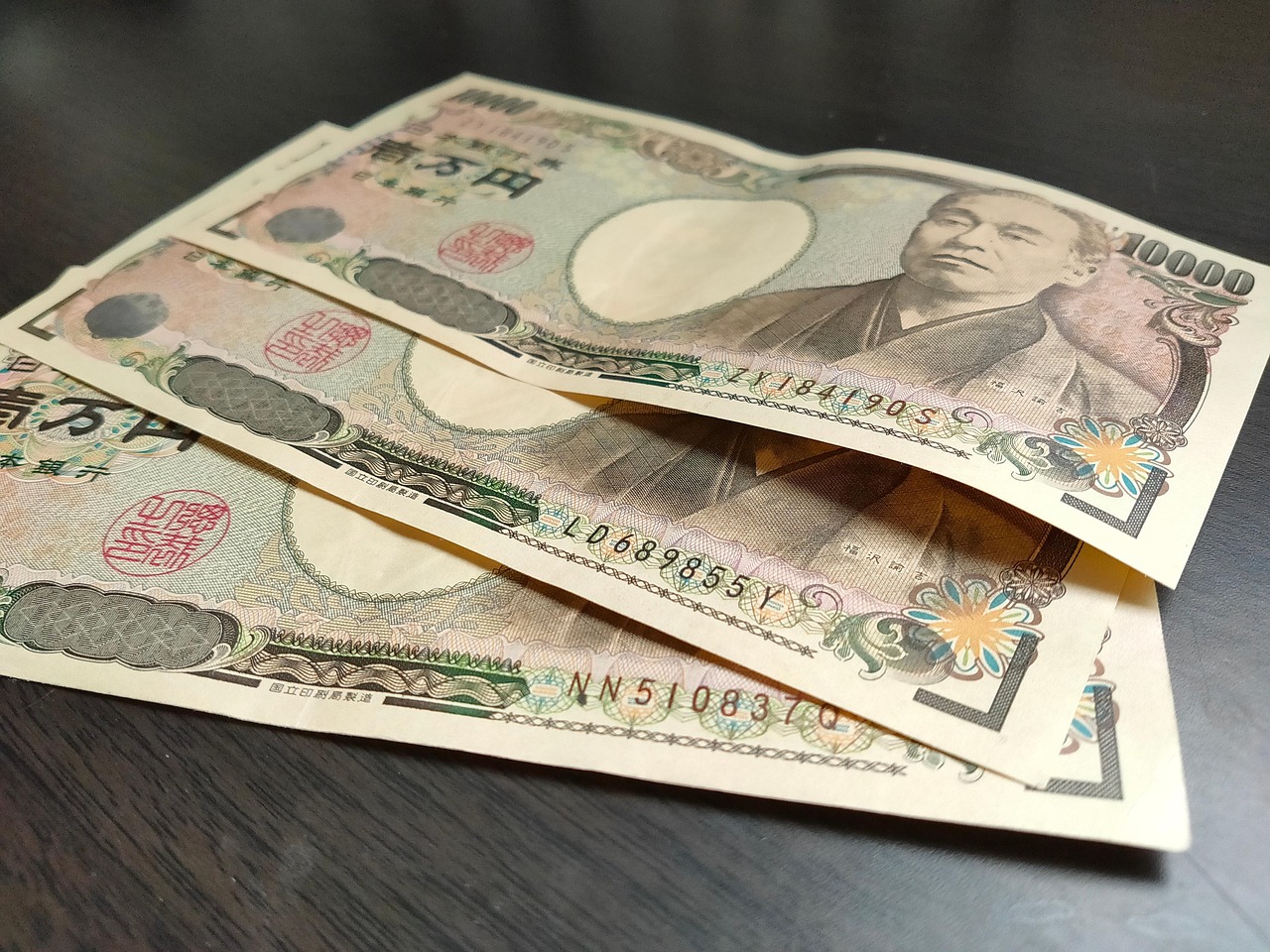
Japanese stocks experienced a strong wave of foreign investor inflows in the week ending April 18, supported by a rally in artificial intelligence-related companies and improving global risk sentiment. Optimism surrounding a potential resolution to tensions in the Middle East played a key role in boosting market confidence and attracting international capital into Japan’s equity market.
According to data released by Japan’s Ministry of Finance, foreign investors purchased a net 2.38 trillion yen (approximately $14.92 billion) in Japanese equities during the week. This follows an even larger inflow of 3.94 trillion yen recorded the previous week, marking one of the strongest consecutive buying streaks in recent history. The sustained inflows highlight growing global interest in Japan’s stock market, particularly in the technology and AI sectors.
Technology stocks were a major driver of this momentum, with investor enthusiasm fueled by early-stage gains in AI-related companies. SoftBank Group saw an impressive rise of 19.83%, while semiconductor testing equipment maker Advantest climbed 11.52% over the same period. These gains contributed to broader market strength, pushing the Nikkei index above the 60,000 level for the first time.
Market sentiment was further lifted after U.S. President Donald Trump announced an indefinite extension of the Iran ceasefire, easing geopolitical concerns and encouraging risk-taking among investors. However, while foreign investors showed strong appetite for equities, they reduced exposure to Japanese long-term bonds, selling a net 298.2 billion yen and ending a two-week buying trend. Meanwhile, short-term government bills saw modest net purchases of 1.89 billion yen.
In global markets, Japanese investors continued their buying streak in foreign equities for a ninth consecutive week, acquiring a net 338.1 billion yen. On the other hand, they remained cautious with foreign debt securities, recording net sales of 183.3 billion yen, marking their fifth weekly outflow in the past six weeks.







